Employees Involved in Logistics Operations
This article explores the critical roles of employees in logistics, detailing their responsibilities, development, and impact on supply chain success.
Updated
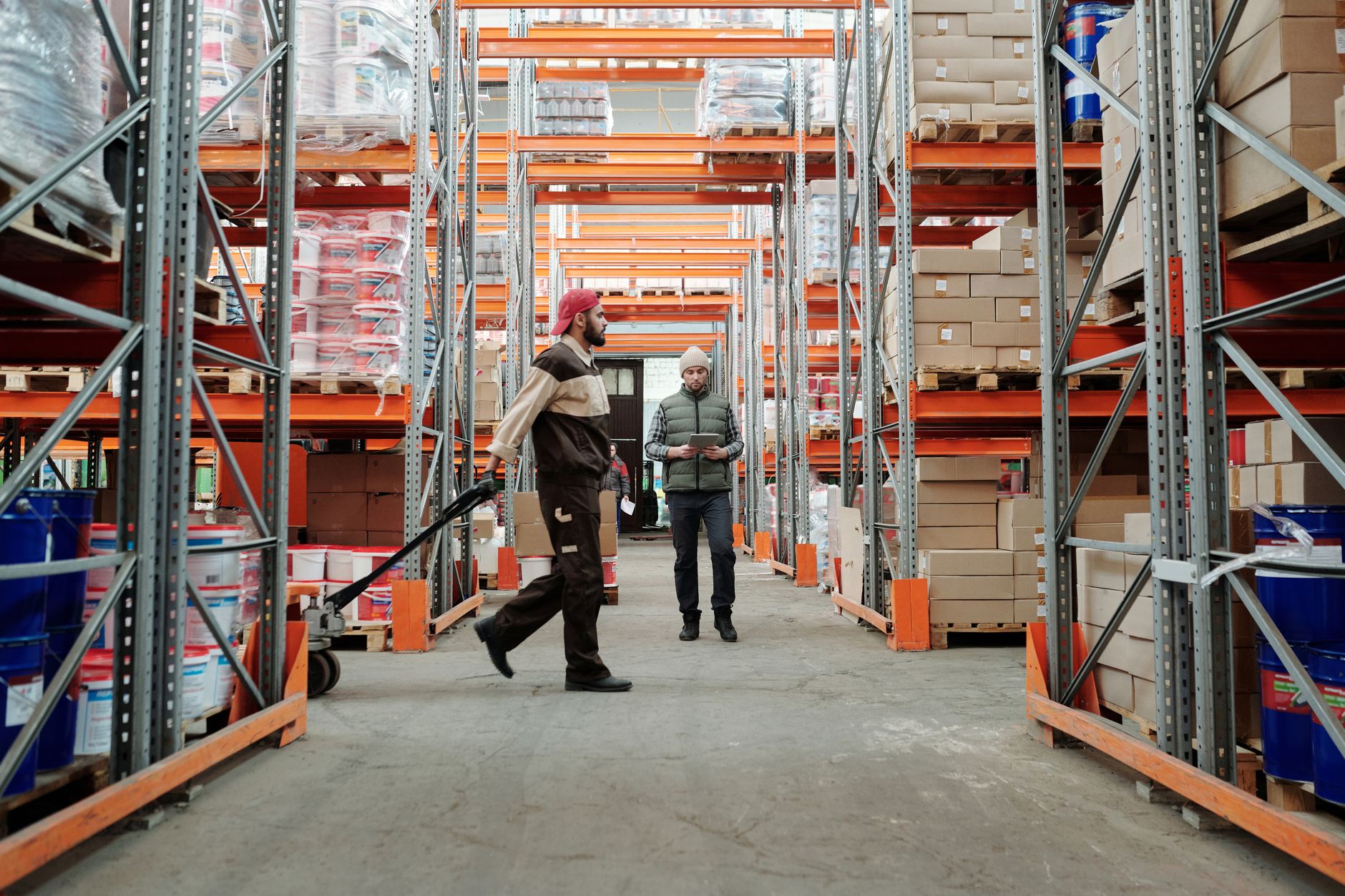
Overview
The logistics industry relies heavily on a diverse range of employees involved in daily operations, forming the backbone of global commerce. These individuals, from front-line warehouse associates to strategic supply chain directors, play pivotal roles in ensuring the efficient and effective flow of goods, services, and information within complex supply chain networks. Their responsibilities span the entire spectrum of logistics, including meticulous inventory management, precise order fulfillment, and optimized transportation planning, all essential to achieving operational excellence and customer satisfaction.
Etymology and Origins
The term "logistics" boasts a rich military heritage, originating from the French word "logistique." This term can be traced back to the late 17th and early 18th centuries, deriving from "logis," meaning lodging or quarters, and "loger," to lodge or quarter troops. Initially, it described the art of quartering and moving armies, a critical aspect of military strategy and supply. Notable early usages include its appearance in the writings of Antoine-Henri Jomini, a Swiss general and military theorist, who, in his 1838 work Précis de l'Art de la Guerre (The Art of War), defined logistics as "the practical art of moving armies... [and] the details of transport and of supplying them".
Over time, particularly after World War II, the concept began to migrate from the military domain into the business world. The formal recognition of logistics as a critical business function emerged in the mid-20th century, driven by the increasing complexity of manufacturing, distribution, and global trade. The American military's efficiency in managing vast supply lines during the war provided a clear blueprint for industrial application, leading to its broader adoption in commercial contexts for the coordination and movement of goods, services, and information within supply chains.
Historical Development
The evolution of logistics, and consequently the roles of its employees, mirrors advancements in technology, economic shifts, and global trade patterns.
-
Pre-1940s: Manual Labor and Fragmented Functions
Before the mid-20th century, logistics was largely a manual and fragmented endeavor. Warehouse workers manually handled goods, and transportation was managed by individual departments with limited coordination. Early systems relied on manual ledgers and basic record-keeping. The focus was primarily on physical distribution rather than integrated supply chain thinking. -
1940s-1950s: Military Influence and Emergence of Physical Distribution
Logistics gained significant recognition during World War II, as military planners developed sophisticated methods for troop and supply movement. This period saw the formalization of concepts like operations research. Post-war, these military principles were adapted for commercial use, leading to the emergence of "physical distribution" as a recognized business function, focusing on the efficient flow of finished goods from manufacturing plants to customers. Early inventory management systems began to appear, often still manual but with greater methodological rigor. -
1960s-1970s: Mechanization and Early Computerization
The 1960s saw increased mechanization in warehouses (e.g., forklifts, palletization) and the first applications of mainframe computers for data processing, inventory tracking, and rudimentary demand forecasting. This highlighted the need for specialized roles in inventory and logistics coordination. The 1970s brought challenges like the energy crisis, emphasizing cost reduction and efficiency, leading to the development of early Material Requirements Planning (MRP) systems to better manage raw materials and components. -
1980s: Just-in-Time (JIT) and Microcomputer Revolution
The 1980s witnessed the widespread adoption of the Just-in-Time (JIT) philosophy, pioneered by Toyota Production System, which revolutionized inventory strategies and demanded tighter coordination across the supply chain. The introduction of affordable computerized systems and personal computers further transformed employee functions, enabling more complex data analysis, route optimization, and the evolution of MRP into Manufacturing Resource Planning (MRP II). This led to new standards in logistics roles, with a greater emphasis on data entry and system interaction. -
1990s: Supply Chain Management and ERP Integration
The 1990s marked the conceptual shift from isolated logistics functions to integrated Supply Chain Management (SCM). This era saw the rise of Enterprise Resource Planning (ERP) systems, which integrated various business processes, including logistics, necessitating highly skilled logistics professionals capable of managing complex interdependencies. Globalization further increased the complexity of logistics, requiring more skilled professionals, including analysts, strategists, and international trade specialists. -
2000s: E-commerce Boom and Advanced SCM Software
The turn of the millennium was defined by the rapid growth of e-commerce, demanding faster, more flexible, and customer-centric logistics solutions. This led to the proliferation of advanced Supply Chain Management (SCM) software, Warehouse Management Systems (WMS), and Transportation Management Systems (TMS). Employees needed to adapt to new technologies like RFID for tracking and real-time data analysis for optimizing operations. -
2010s-Present: Digital Transformation, Automation, and Resilience
The 2010s and 2020s are characterized by the rapid integration of digital technologies such as the Internet of Things (IoT), Artificial Intelligence (AI), Machine Learning (ML), and robotics. This era sees roles shifting towards managing and maintaining automated systems, data analysis, and strategic decision-making based on predictive analytics. The focus is now on creating resilient, sustainable, and highly responsive supply chains, requiring continuous training and adaptation among employees to handle advanced logistics technologies and navigate global disruptions.
Core Concepts
Employees involved in logistics perform varied and critical functions that are central to operational success:
- Inventory Management: These employees are responsible for maintaining optimal inventory levels, overseeing stock replenishment, and ensuring efficient storage and retrieval. Tasks include cycle counting, demand forecasting, stock optimization, and preventing stockouts or overstock. They often utilize advanced visual inventory management systems to monitor and control stock.
- Order Fulfillment: Coordinators and warehouse staff execute intricate order fulfillment processes, from picking and packing to shipping and returns management. Their role is to ensure timely, accurate, and damage-free delivery to the end customer. They frequently interact with pick, pack, and ship software to streamline these operations.
- Transportation Management: Logistics employees oversee the movement of goods across various modes (road, rail, air, sea). This includes coordinating with carriers, negotiating freight rates, optimizing routes, and managing shipping documentation. They are crucial in minimizing transit times and transportation costs while adhering to compliance regulations.
- Warehousing Operations: This involves the physical management of goods within a warehouse, including receiving, putaway, storage, and outbound processing. Employees in these roles ensure efficient space utilization, product accessibility, and adherence to safety protocols.
- Procurement: Professionals in procurement are responsible for sourcing and purchasing raw materials, components, and services from suppliers. They play a key role in supplier relationship management, cost negotiation, and ensuring the timely arrival of necessary inputs for production.
- Customer Service & Returns: While often seen as separate, logistics employees play a vital role in customer satisfaction by managing delivery expectations, resolving shipping issues, and efficiently handling returns processes. This directly impacts customer loyalty and brand reputation.
Types and Classifications
The diversity of roles within logistics reflects the complexity of the supply chain:
- Warehouse Associates/Operators: These front-line employees handle physical tasks such as receiving, putaway, picking (e.g., batch picking, pick-to-tote), packing, and loading. They are crucial for inventory accuracy and efficient order processing, often using mobile WMS devices.
- Logistics Coordinators: Acting as central hubs, they manage schedules, track shipments, make transportation decisions, and coordinate communication between suppliers, carriers, and customers. They ensure the smooth flow of goods and information.
- Supply Chain Analysts/Data Scientists: These professionals utilize advanced data analysis techniques to identify trends, optimize logistics processes, forecast demand, and reduce costs. They leverage tools for predictive analytics and performance monitoring to drive strategic decisions.
- Warehouse Managers/Supervisors: Responsible for overseeing daily warehouse operations, managing staff, ensuring safety compliance, and optimizing warehouse layout and workflows. They are key to achieving operational efficiency.
- Transportation Managers: Specialize in managing fleets, negotiating with carriers, planning routes, and ensuring compliance with transportation regulations. Their goal is to minimize shipping costs and transit times.
- Procurement Specialists/Buyers: Focus on sourcing and purchasing goods and services, managing supplier relationships, and ensuring quality and cost-effectiveness of inputs.
- Logistics Engineers: These experts design and optimize logistics systems, warehouse layouts (warehouse-layout-preview), and transportation networks, often employing simulation and modeling techniques.
- Customs and Compliance Officers: For international logistics, these roles ensure adherence to complex customs regulations, tariffs, and international trade laws, minimizing delays and risks.
Industry Applications
The expertise of logistics employees is indispensable across nearly all sectors of the economy:
- E-commerce: Staff manage high volumes of online orders, process rapid order fulfillment, handle complex reverse logistics (returns), and manage Shopify inventory. Their efficiency directly impacts customer satisfaction and retention in a highly competitive market.
- Manufacturing: Employees ensure a steady flow of raw materials and components, managing inbound logistics and JIT deliveries to production lines, preventing costly disruptions. They also manage the outbound distribution of finished goods.
- Retail: From managing store replenishments to optimizing distribution networks, logistics employees ensure product availability on shelves and support omnichannel strategies, including pickup orders.
- Healthcare & Pharmaceuticals: These sectors demand highly specialized logistics professionals for managing cold chain storage, handling sensitive medical supplies, and ensuring the timely and compliant delivery of life-saving medications and equipment.
- Automotive: Known for its complex global supply chains, the automotive industry relies on logistics employees for synchronized delivery of parts to assembly lines, managing intricate supplier networks, and handling vehicle distribution to dealerships.
- Humanitarian Aid: Logistics experts are critical in disaster relief operations, ensuring that food, water, medical supplies, and shelter reach affected populations quickly and efficiently under challenging circumstances.
Benefits and Advantages
Strategic investment in the development and well-being of logistics employees yields substantial benefits:
- Improved Operational Efficiency: Advanced training in modern practices, such as lean logistics and mobile warehouse management systems, enhances productivity and reduces errors, leading to smoother operations and faster throughput.
- Enhanced Customer Satisfaction: Competent and motivated employees contribute to accurate and timely deliveries, efficient issue resolution, and a positive customer experience, strengthening brand loyalty.
- Cost Reduction: Skilled employees can identify opportunities for optimizing routes, reducing waste, improving inventory accuracy, and streamlining processes, directly impacting the bottom line.
- Increased Agility and Resilience: A well-trained and empowered workforce can adapt more quickly to market fluctuations, supply chain disruptions, and unexpected challenges, enhancing the organization's overall resilience.
- Innovation and Problem-Solving: Investing in employee development fosters a culture of continuous improvement, where employees are encouraged to identify inefficiencies and propose innovative solutions, driving competitive advantage.
- Enhanced Employee Morale and Retention: Providing career growth opportunities, fair compensation, and a positive work environment, supported by effective employee management practices, significantly boosts morale and reduces costly employee turnover.
Challenges and Limitations
Despite their undeniable importance, logistics employees and the industry face significant challenges:
- Labor Shortages and High Turnover: The industry frequently struggles with a shortage of skilled labor, particularly in roles like truck drivers and warehouse workers. High physical demands, long hours, and competitive wages in other sectors contribute to high turnover rates, disrupting workflows and increasing training costs.
- Skill Gaps and Need for Continuous Upskilling: The rapid evolution of logistics technologies, automation, and data analytics demands continuous learning. Employees require ongoing training in new software, robotics, and data interpretation, leading to potential skill gaps if not adequately addressed.
- Safety and Ergonomic Risks: Many logistics roles, especially in warehousing and transportation, involve physical labor, heavy machinery, and long hours, posing inherent safety and ergonomic risks. Ensuring workplace safety is a constant challenge.
- Global Disruptions and Volatility: Geopolitical events, pandemics, trade wars, and natural disasters can severely disrupt global supply chains, placing immense pressure on logistics employees to adapt and find alternative solutions under tight deadlines.
- Environmental Regulations and Sustainability Pressures: Growing concerns about environmental impact lead to stricter regulations and demands for greener logistics. Employees must adapt to new practices, such as optimizing routes for fuel efficiency and managing sustainable packaging, adding complexity to their roles.
Best Practices
To optimize the contributions of employees in logistics and mitigate associated challenges, organizations should adopt the following best practices:
- Continuous Training and Development: Implement robust training programs that cover not only foundational warehouse management practices but also emerging technologies like AI, robotics, and advanced analytics. Cross-training employees enhances flexibility and resilience. Leverage resources like SkuSavvy's onboarding guides for new hires.
- Technology Adoption and Integration: Invest in modern logistics technologies, including mobile warehouse management systems, automation, and IoT devices, and ensure employees are proficient in using them. This shifts roles from manual labor to supervision, maintenance, and strategic decision-making.
- Performance Measurement and Feedback: Establish clear Key Performance Indicators (KPIs) and provide regular feedback to employees. Utilize tools for productivity tracking to identify areas for improvement and recognize achievements, fostering a culture of accountability and excellence.
- Employee Engagement and Retention Strategies: Develop comprehensive strategies to foster a motivated workforce, including competitive compensation, benefits, clear career paths, and a positive work environment. Mentorship programs and recognition initiatives can significantly reduce turnover.
- Safety and Ergonomics Programs: Prioritize employee health and safety by implementing rigorous safety protocols, providing ergonomic equipment, and conducting regular training on safe operating procedures. A safe workplace improves morale and reduces incidents.
- Promote Collaboration and Communication: Encourage seamless communication and collaboration across different logistics functions and with external partners. Breaking down silos enhances problem-solving and efficiency.
- Succession Planning: Develop plans for leadership development and knowledge transfer to ensure continuity and build a strong talent pipeline within the organization.
Future Trends
As the logistics landscape continues its rapid evolution, employees must adapt to several transformative emerging trends:
- Advanced Automation and Robotics: The integration of more sophisticated automation technologies and collaborative robots (cobots) in warehouses will shift human roles from repetitive physical tasks to overseeing, maintaining, and programming these systems, as well as handling exceptions and complex operations.
- Data-Driven Decision-Making: A fundamental shift towards analytics-driven logistics will require employees at all levels to understand and interpret data. Roles will increasingly involve leveraging AI and Machine Learning insights for demand forecasting, route optimization, and risk management.
- Sustainability and Green Logistics: Employees will play a crucial role in implementing sustainable practices, from optimizing transportation routes to minimize carbon footprints to managing eco-friendly packaging and supporting reverse logistics for recycling and reuse. Green supply chain competencies will become essential.
- Supply Chain Resilience and Visibility: In response to recent global disruptions, employees will focus on building more resilient supply chains. This involves leveraging real-time visibility tools, developing multi-sourcing strategies, and engaging in proactive risk management and scenario planning.
- Hyper-Personalization and Last-Mile Innovation: The demand for faster, more personalized, and flexible delivery options will continue to grow. Logistics employees, especially those in last-mile delivery, will need to manage dynamic routing, micro-fulfillment centers, and new delivery methods like drone or autonomous vehicle integration.
- Blockchain for Transparency: While still nascent in broad adoption, blockchain technology could transform supply chain transparency and traceability. Employees may need to understand how to interact with and manage data within secure, distributed ledger systems.
Related Concepts
Understanding the nuanced roles of employees in logistics provides a foundation for exploring related and interconnected concepts, such as overall supply chain management, operations management, global logistics, reverse logistics, and cold chain management. The human element remains central to orchestrating these complex systems, even with increasing automation. By recognizing the significance of each role within logistics, companies can improve collaboration, foster innovation, and maximize their operational potential in an increasingly dynamic global marketplace.
Sources
- Employee Management
- Visual Inventory Management System
- Mobile Warehouse Management System
- Order Fulfillment Guide
- Quick Start Guide
- Hardware Guide
- Workflows Overview
- Logistics: The Historical Perspective
- Précis de l'Art de la Guerre (The Art of War)
- The Emergence of Logistics as a Business Discipline: A Historical Perspective
- Logistics in World War II
- The Toyota Production System: Leaner, Faster, Better
- Relationship between Logistics and Supply Chain Management
- AI in Supply Chain: The Next Digital Transformation
- Solving the Supply Chain Labor Shortage
- Cycle Counting Guide
- Pick, Pack, Ship Software
- Warehouse Layout Preview
- Bin Put-Away Criteria
- Batch Picking Guide
- Pick-to-Tote Guide
- Mobile Order Fulfillment Software
- Shopify Inventory Management
- Pickup Orders Guide
- Onboarding Guide