Dynamic Optimization in Logistics
This article explores Dynamic Optimization in logistics, its history, core concepts, applications, challenges, and future trends.
Updated
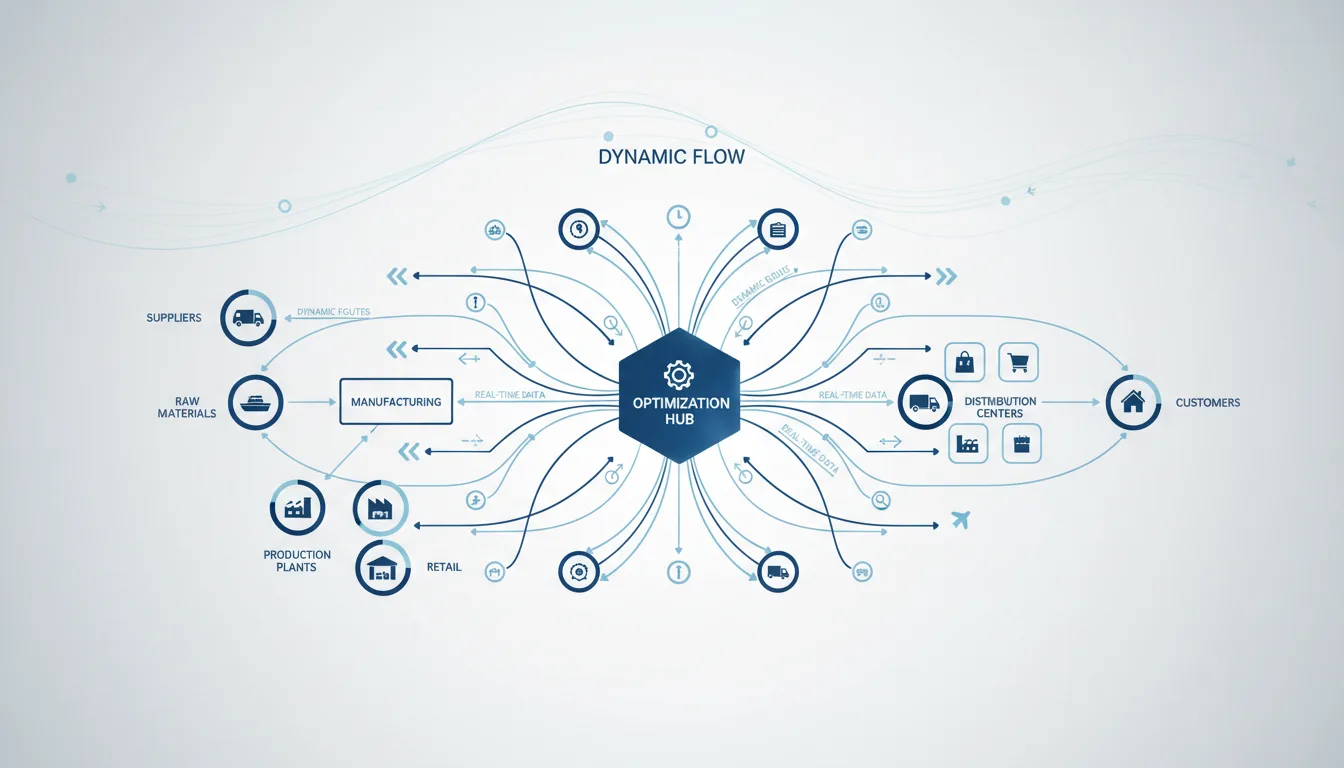
Dynamic Optimization in Logistics
Overview
Dynamic Optimization in logistics refers to an advanced method of continuously adjusting and optimizing supply chain operations in real-time. This adaptive approach leverages data analytics, algorithms, and feedback loops to respond swiftly to fluctuating conditions, demand patterns, and resource availability. It is critical for modern supply chain management, enabling organizations to enhance operational efficiency, reduce costs, improve service levels, and achieve superior resource allocation. By embracing dynamic optimization, businesses can transform reactive responses into proactive strategies that maximize performance.
Etymology and Origins
The concept of "dynamic optimization" stems from the broader fields of mathematical optimization and control theory, heavily influenced by Operations Research (OR). The foundational work for what we now understand as dynamic optimization, particularly in sequential decision-making problems, is attributed to Richard Bellman, who formally introduced and coined the term "dynamic programming" in his seminal 1957 work, "Dynamic Programming". Bellman's pioneering work laid the theoretical groundwork for solving multi-stage decision processes where optimal decisions at one stage depend on the outcome of decisions at previous stages, using a recursive approach.
Initially, this terminology was largely confined to academic and theoretical computer science domains, particularly in areas like control systems and resource allocation. However, its application gradually expanded beyond purely mathematical contexts. The term "dynamic optimization" evolved to specifically describe the real-time, adaptive application of these principles in fields like logistics and supply chain management, where operational contexts necessitate immediate responsiveness to constantly changing data and environmental factors. This distinction emphasizes the practical, real-time adjustments made possible by advancing computational power, moving from theoretical models to operational reality.
Historical Development
Dynamic Optimization has evolved significantly from its theoretical beginnings to its current sophisticated, data-driven applications. Its history is intertwined with the progression of computing power, the increasing complexity of global supply chains, and the strategic recognition of logistics as a competitive advantage.
Key Milestones:
- Pre-1950s: Manual Heuristics & Static Planning: Before widespread computerization, logistics planning was primarily manual, relying on static schedules, fixed routes, and human experience. Tasks like truck dispatching involved physical pin boards and paper manifests. Optimization was largely heuristic and reactive, with limited ability to foresee or adapt to changes. Decision-making was localized and often based on individual expertise rather than systemic analysis.
- 1950s-1960s: Rise of Operations Research (OR) & Early Mathematical Models: The post-World War II era saw the emergence of Operations Research, applying scientific methods to decision-making, initially in military contexts and later in industry. Techniques like Linear Programming (LP), developed by George Dantzig, and Richard Bellman's dynamic programming provided foundational mathematical tools for optimization. These early models, however, were predominantly static, designed for batch processing and fixed parameters, not real-time adjustments. The formal establishment of organizations like the Operations Research Society of America (ORSA) in 1952 signaled the growing importance of this field.
- 1970s-1980s: Computerization & Materials Requirements Planning (MRP): The advent of mainframe and mini-computers in business allowed for the processing of larger datasets. This era saw the development of Material Requirements Planning (MRP) systems, notably popularized by IBM, to manage manufacturing inventories and production schedules. Early MRP was deterministic and struggled with dynamic changes, often leading to manual workarounds. This limitation spurred the evolution toward Manufacturing Resource Planning (MRP II), which integrated more functions but still largely operated on periodic batch runs rather than real-time data.
- 1990s: Advanced Planning & Scheduling (APS) & Enterprise Resource Planning (ERP): The proliferation of personal computers and networking capabilities fueled the development of more integrated systems. Advanced Planning and Scheduling (APS) systems emerged to optimize complex supply chain processes, going beyond manufacturing to include demand planning, production scheduling, and distribution planning. These systems began to incorporate more sophisticated algorithms, laying the groundwork for greater dynamism. Concurrently, the growth of Enterprise Resource Planning (ERP) systems from vendors like SAP and Oracle started to centralize data across an organization, making holistic optimization more feasible by breaking down data silos.
- 2000s onward: Big Data, Machine Learning, AI & Real-time Connectivity: The explosion of internet connectivity, mobile technology, cloud computing, and sensor data (IoT) provided an unprecedented volume of real-time information. This period saw the integration of Big Data analytics, Machine Learning (ML), and Artificial Intelligence (AI) into optimization models. This allowed for predictive analytics, adaptive learning, and truly dynamic adjustments based on live conditions, moving beyond predetermined rules to intelligent, self-optimizing systems. Companies like Amazon and FedEx pioneered highly dynamic logistics operations, continuously adjusting based on demand and network capacity, demonstrating the commercial viability and competitive advantage of real-time optimization.
Core Concepts
At its core, dynamic optimization in logistics involves several interconnected components that enable its adaptive nature:
- Real-Time Data Processing: This is the foundation of dynamic optimization, involving the continuous collection, ingestion, and analysis of current data from various sources within the logistics chain. Examples include GPS tracking for vehicle locations, real-time inventory levels from warehouse management systems, weather updates, traffic conditions, fluctuating customer demand signals, and data from IoT sensors on goods and equipment. The accuracy, velocity, and timeliness of this data are paramount for effective decision-making, requiring robust data infrastructure and integration capabilities.
- Algorithmic Decision-Making: Sophisticated algorithms are the brain of dynamic optimization. These can range from heuristic algorithms for quick problem-solving to advanced machine learning models capable of predicting outcomes and suggesting optimal operational adjustments. Algorithms such as genetic algorithms, ant colony optimization, and neural networks are employed to optimize routes, manage stock levels (e.g., automated purchase quantity recommendations), balance workloads, and schedule resources, adapting to new data inputs continuously. The selection of the appropriate algorithm depends on the problem's complexity and the required response time.
- Feedback Loops: Dynamic optimization thrives on continuous improvement and learning. Feedback mechanisms are essential, allowing the system to learn from past performance, evaluate the effectiveness of previous decisions (e.g., whether a reroute saved time), and refine its optimization strategies. This iterative process, often leveraging reinforcement learning principles, ensures that the system becomes more accurate and efficient over time, adapting to systemic changes, market shifts, and unforeseen variables.
- Scenario Analysis & Simulation: Before enacting changes, dynamic optimization systems often leverage scenario analysis tools to assess various potential outcomes based on different operational inputs or disruptions. Advanced simulation capabilities, including the use of digital twins, allow logistics managers to model complex situations, understand the potential impact of decisions, and prepare agile responses to unforeseen changes or market shifts without affecting live operations. This helps in risk mitigation and strategic planning.
Industry Applications
Dynamic Optimization finds critical applications across diverse sectors of the supply chain, revolutionizing how businesses operate:
- Transportation & Fleet Management: Logistics firms utilize dynamic routing algorithms to optimize delivery paths in real-time, considering factors like traffic congestion, road closures, new orders, and driver availability. Companies like UPS use sophisticated optimization software, such as ORION (On-Road Integrated Optimization and Navigation), to constantly refine delivery routes, leading to significant fuel savings and reduced mileage. This also extends to dynamic pricing models for freight based on real-time capacity and demand, ensuring optimal load utilization and revenue management.
- Warehousing & Inventory Management: In modern warehouses, dynamic optimization enables real-time inventory management and adaptive strategies. This includes dynamically adjusting picking strategies (e.g., from batch picking to zone picking based on order volume or urgency), optimizing bin put-away criteria for efficient storage and retrieval, and initiating stock replenishment based on predictive demand and current stock levels. The use of a Mobile Warehouse Management System allows for instant updates and adjustments on the floor, enhancing responsiveness and accuracy, complemented by tools like cycle counting for continuous inventory accuracy. Furthermore, dynamic optimization aids in warehouse layout optimization by simulating different configurations for improved flow, and facilitating processes like cross-docking for faster throughput and kitting for dynamic assembly of product bundles.
- Manufacturing & Production Scheduling: Dynamic scheduling of production lines ensures that resources (machinery, labor, raw materials) are allocated optimally based on fluctuating production needs, material availability, and real-time demand. This allows manufacturers, particularly in make-to-order or lean manufacturing environments, to quickly adapt to breakdowns, supply chain disruptions, or sudden surges in orders, minimizing downtime and maximizing throughput. It also enables dynamic adjustment of workforce productivity based on real-time production requirements.
- Retail & E-commerce Fulfillment: Dynamic optimization plays a crucial role in e-commerce fulfillment. It determines the optimal fulfillment location for an order based on inventory levels, shipping costs, and customer proximity. It also facilitates dynamic slotting of products in distribution centers, optimizes packaging decisions for multi-item orders (e.g., using bin packing algorithms), and streamlines parcel routing for last-mile delivery, leading to faster and more cost-effective deliveries. An Order Management System (OMS) integrates these dynamic decisions seamlessly.
Benefits and Advantages
The advantages of implementing dynamic optimization are profound, impacting efficiency, responsiveness, and customer satisfaction:
- Increased Operational Efficiency & Cost Reduction: By continuously adapting to changing conditions, businesses can significantly streamline operations. This leads to notable cost savings, such as a reported 15-30% reduction in transportation costs through optimized routing, reduced fuel consumption, and lower labor costs due to improved resource utilization. Warehouse operations also benefit from optimized picking paths and storage, cutting down on labor time and maximizing space utilization, reducing inventory holding costs by minimizing excess stock.
- Enhanced Responsiveness & Agility: Dynamic optimization empowers organizations to adapt swiftly and effectively to unexpected fluctuations in demand, supply disruptions, traffic delays, or unforeseen events. This agility ensures that logistics operations remain robust and resilient, minimizing service interruptions and maintaining operational continuity, which is crucial for supply chain resilience.
- Improved Customer Service & Satisfaction: By enabling more accurate delivery times, faster fulfillment (often managed through sophisticated order management systems), and reliable service, dynamic optimization directly contributes to higher customer satisfaction rates. This enhanced reliability and transparency, including real-time order tracking and proactive communication, builds customer trust and loyalty.
- Better Resource Utilization: Optimal allocation of assets like vehicles, warehouse space, and personnel results in fewer idle resources and less waste. This leads to higher productivity, reduced capital expenditure on redundant assets, and a better return on investment for operational assets. For example, optimized loading and routing maximize truck capacity, while dynamic task assignment ensures warehouse personnel are deployed efficiently, often monitored via employee productivity tools.
Challenges and Limitations
Despite its numerous advantages, implementing dynamic optimization presents several challenges:
- Data Quality and Integration: The effectiveness of dynamic optimization is heavily reliant on the quality, accuracy, and timeliness of data. Inaccuracies or latency in real-time data can lead to suboptimal or erroneous decision-making. Integrating data from disparate systems (e.g., ERP, WMS, TMS, IoT devices, Vendor Portals) and overcoming significant data silos can be a significant technical and organizational hurdle.
- Complexity of Implementation & Cost: Integrating advanced dynamic optimization solutions into existing enterprise systems often requires substantial initial investment in technology (software, hardware, sensors) and significant effort in system configuration and customization. The complexity of algorithms, the need for specialized expertise in data science and logistics optimization, and ongoing maintenance can also drive up costs. Return on investment (ROI) can take time to realize.
- Computational Demands: Real-time optimization often requires immense computational power to process vast amounts of data and run complex algorithms quickly enough to provide timely recommendations. This can be a limiting factor, especially for smaller organizations or highly complex problems involving large networks. The rise of edge computing is beginning to address this by bringing processing closer to the data source.
- Change Management & Organizational Resistance: Employees accustomed to traditional, static operational procedures may resist rapid changes introduced by dynamic systems. Overcoming this resistance requires comprehensive training, clear communication of benefits, a focus on upskilling the workforce, and strong leadership to foster a culture of continuous adaptation and data-driven decision-making. Fear of job displacement or increased monitoring can also be barriers.
Best Practices
To effectively implement and leverage dynamic optimization, companies should consider the following best practices:
- Invest in Robust Technology Infrastructure: Ensure that the necessary software (e.g., advanced WMS, TMS, Order Management System, Purchase Order Management), hardware (servers, mobile devices, IoT sensors), and connectivity are in place to support real-time data processing, analytics, and rapid algorithmic execution. Prioritize scalable, interoperable solutions with robust API capabilities to facilitate seamless data exchange.
- Prioritize Data Governance and Quality: Establish clear protocols for data collection, validation, and maintenance across all systems. Invest in tools and processes to ensure data accuracy, consistency, and timeliness, as poor data quality will fundamentally undermine any optimization efforts. Implement a single source of truth where possible.
- Train and Empower Employees: Provide comprehensive training to staff on new tools, processes, and the strategic importance of dynamic optimization. Foster a culture where employees are comfortable with data-driven decisions and continuous adaptation. Empower front-line workers with mobile tools that provide real-time instructions and feedback, and utilize productivity tracking for continuous improvement rather than just oversight.
- Start Small and Scale: Begin with pilot programs in specific, high-impact areas (e.g., last-mile delivery optimization, a single warehouse's picking process) to prove value, gain experience, and refine the approach before rolling out across the entire operation. This allows for learning and adaptation with less risk and demonstrates quick wins.
- Continuous Monitoring and Iteration: Continuously review key performance indicators (KPIs) and utilize the feedback loops inherent in dynamic systems to refine and improve optimization processes over time. The goal is ongoing adaptation and continuous improvement, not a one-time implementation. Regularly evaluate and update algorithms based on new data and changing operational conditions.
- Cross-Functional Collaboration: Foster collaboration between departments (e.g., sales, marketing, operations, IT, procurement via Vendor Portal) to ensure that optimization efforts are aligned with overall business goals and that all relevant data and insights are shared. Implement integrated business planning (IBP) processes to ensure strategic alignment across the supply chain.
Future Trends
Dynamic Optimization is poised for further transformative advancements, driven by emerging technologies:
- Artificial Intelligence (AI) and Machine Learning (ML): AI techniques, particularly predictive analytics, reinforcement learning, and deep learning, will enable even quicker, more precise, and autonomous adjustments in logistics operations. AI will move beyond optimization to proactive decision-making, anticipating disruptions, predicting demand fluctuations with greater accuracy, and self-correcting systems. This includes advanced demand forecasting, automated truck loading, and intelligent warehouse robots that adapt their behavior in real-time.
- Internet of Things (IoT): IoT devices (sensors on vehicles, pallets, warehouse equipment, smart shelves, temperature and shock monitors) will provide unparalleled granularity and ubiquity in real-time data. This will significantly enhance the responsiveness and accuracy of dynamic optimization systems by offering live visibility into asset location, environmental conditions, inventory status, and even product integrity across the entire supply chain, enabling hyper-personalized and dynamic responses.
- Blockchain Technology: While still nascent in direct optimization, blockchain offers the potential to enhance transparency, traceability, and trust in data sharing across complex, multi-party supply chains. This immutable ledger could lead to more effective collaborative optimization efforts, enabling secure sharing of critical data points necessary for multi-party dynamic optimization, such as proof of delivery, payment terms, or regulatory compliance, thereby improving data integrity for decision-making.
- Digital Twins: Creating virtual replicas or digital twins of physical supply chains will allow for real-time simulation and testing of optimization strategies without disrupting actual operations. This approach enables predictive maintenance, complex scenario planning, continuous optimization loops, and precise adjustments before physical implementation, significantly de-risking operational changes and accelerating improvement cycles.
Related Concepts
Dynamic Optimization is closely linked to several complementary concepts crucial for modern logistics and supply chain management:
- Supply Chain Management (SCM): Dynamic optimization is a core component of effective SCM, enabling end-to-end efficiency and responsiveness by providing the adaptive capabilities needed in complex global networks.
- Operational Excellence: It contributes directly to achieving operational excellence by driving continuous improvement, waste reduction, and enhanced process control across all logistics functions.
- Logistics Analytics: The foundation of dynamic optimization lies in sophisticated logistics analytics, transforming raw data into actionable insights that feed the optimization algorithms.
- Warehouse Management Systems (WMS): Modern WMS are essential platforms for real-time data collection, inventory tracking, and execution of dynamic strategies within warehouse operations.
- Inventory Management Systems: Dynamic optimization enhances inventory control by optimizing stock levels, predicting demand, and streamlining replenishment strategies.
- Order Management Systems (OMS): These systems facilitate dynamic order fulfillment by optimizing picking, packing, and shipping processes in real-time, often integrating with dynamic routing and carrier selection.
- Purchase Order Management: Dynamic optimization can inform and streamline purchasing decisions, leveraging real-time inventory and demand data to optimize order quantities and timing with suppliers, often via a Vendor Portal.
Sources
- Stock Replenishment Guide
- Order Fulfillment Guide
- Dynamic Programming
- A review of truck dispatching systems in mining operations
- The History of O.R.
- IoT in Logistics: Supply Chain Use Cases, Benefits & Challenges
- Genetic Algorithms in Logistics and Supply Chain Management: A Systematic Literature Review
- What is Reinforcement Learning?
- What's new in the Gartner Hype Cycle for Supply Chain Strategy 2023
- UPS ORION Optimization Software
- Visual Warehouse Layout
- Cross-Docking Guide
- Kitting Guide
- Lean Manufacturing
- Productivity Tracking
- Bin Packing Visualizer
- Supply Chain Resilience
- Data Silos: The Challenge of Supply Chain Data Management
- What is edge computing?
- Developers / API
- Purchase Order Management
- Vendor Portal
- Magic Quadrant for ERP for Product-Centric Enterprises
- How Amazon and FedEx are Reinventing the Supply Chain
- The Future of Truck Loading Automation