Overview
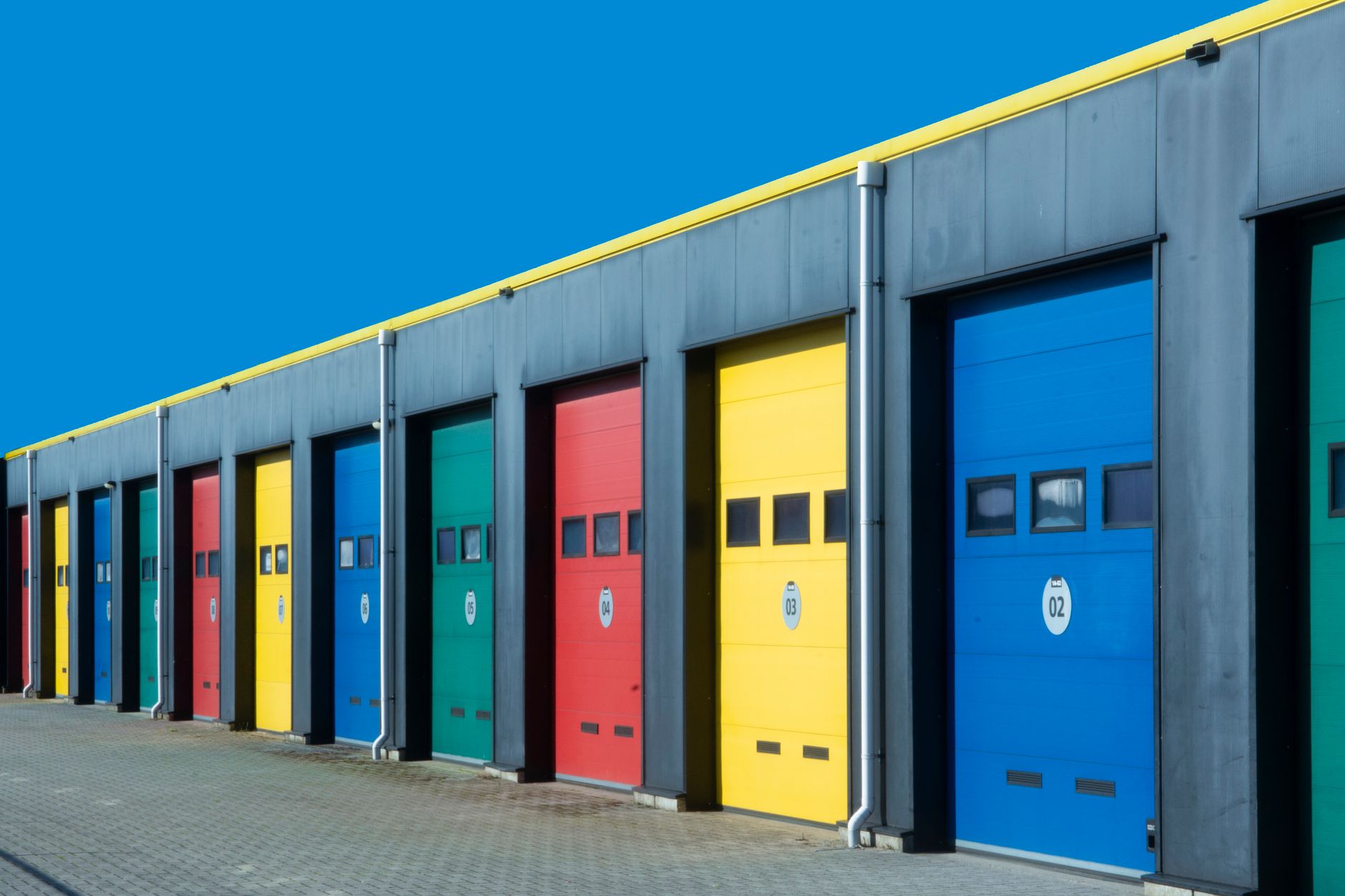
Dock door assignment is a critical process in logistics and warehouse operations, focusing on efficiently allocating loading and unloading bays for trucks within a facility. Proper dock door management optimizes throughput, minimizes wait times, and reduces congestion in and around the loading areas. In an industry where timely product movement is paramount, effective dock door assignment plays a vital role in supply chain efficiency and customer satisfaction.
Etymology and Origins
The term 'dock' originates from the Middle Dutch word docke, referring to a basin or channel for ships [9]. Its association with loading and unloading points for goods dates back centuries in maritime trade. The phrase 'dock door' emerged as industrial warehouses began to mimic the organized loading points of harbors, transitioning from simple building openings to dedicated, purpose-built access points for truck-based logistics. Historical documents trace its first usage in a modern logistical context to the mid-20th century, particularly as warehousing moved beyond manual handling to more structured, mechanized operations with designated areas for receiving and shipping goods [10]. This evolution reflected the increasing professionalization of warehouse management and the need for specialized infrastructure to handle growing freight volumes.
Historical Development
Dock door assignment has evolved significantly over the decades, influenced by advancements in warehouse design, material handling equipment, and supply chain management philosophies. Key milestones include:
- Post-World War II Era (1940s-1950s): The proliferation of motor freight transport and the widespread adoption of forklifts and pallets revolutionized warehousing. This period saw the standardization of loading docks and the introduction of mechanized loading bays, which were crucial for handling increased volumes and improving efficiency [11]. Early efforts in dock management focused on physical layout and basic scheduling.
- 1970s: The development and popularization of the just-in-time (JIT) inventory system by Toyota emphasized the need for precise timing and rapid turnover, directly impacting dock operations. This paradigm shift necessitated more organized and efficient use of dock space to minimize inventory holding costs and maximize flow [12].
- 1980s-1990s: The advent of computerization led to the development of rudimentary warehouse management systems (WMS) and enterprise resource planning (ERP) systems. These early systems facilitated better scheduling and inventory tracking, moving away from manual ledger systems. The APICS Dictionary [7], a seminal publication, began to standardize terminology and practices across the logistics industry, including definitions related to dock operations.
- Mid-1990s onwards: The rise of e-commerce and global supply chains intensified the need for faster, more accurate, and more flexible dock operations. This period saw the widespread implementation of modern WMS systems that enabled real-time visibility, automated scheduling, and integration with transportation management systems (TMS) [13]. Technologies like RFID for tracking goods and GPS for vehicle tracking began to enhance dock efficiency.
- 2000s onwards: Further advancements included the adoption of automated guided vehicles (AGVs), automated storage and retrieval systems (AS/RS), and increasingly sophisticated software solutions. The integration of IoT sensors and advanced analytics started transforming dock door assignment from a reactive process to a predictive one, enabling smarter resource allocation and bottleneck prevention.
Core Concepts
Dock door assignment involves several core principles designed to optimize efficiency, safety, and throughput:
- Scheduling: Effective scheduling is crucial to reduce waiting times for carriers and optimize the utilization of dock doors. Advanced scheduling systems often leverage historical data, predictive analytics, and real-time traffic information to allocate specific dock doors to incoming and outgoing trucks. Many organizations use automated systems for scheduling that notify drivers about their dock assignments in advance, often integrated with purchase order management for inbound shipments and order management systems for outbound freight.
- Traffic Management: Efficiently managing the flow of incoming and outgoing trucks to prevent bottlenecks and ensure smooth movement within the yard and at the dock face. This often involves the use of digital signage, traffic lights, automated gate systems, and yard management systems (YMS) to guide trucks to their respective docks and staging areas, ensuring adherence to safety protocols and site-specific rules.
- Space Utilization: Efficient use of the physical space around dock doors, including staging areas, trailer parking, and maneuvering lanes, can significantly enhance operations. Techniques such as cross-docking facilitate rapid transfer of products from incoming to outgoing vehicles without long-term storage, maximizing throughput and reducing handling costs. Proper warehouse layout design is fundamental to optimizing dock space.
- Real-Time Tracking: Modern Mobile WMS systems and Internet of Things (IoT) sensors allow for real-time visibility of dock operations, including truck arrival/departure times, loading/unloading status, and equipment availability. This enhances coordination among warehouse staff, transportation providers, and even customers, thus improving operational efficiency and accountability.
Industry Applications
Dock door assignment is critical across various industries, each with unique requirements and challenges:
- Retail: High-volume retailers, particularly those involved in e-commerce, utilize sophisticated dock door assignment strategies to ensure rapid fulfillment of online orders, which are often time-sensitive. This is crucial for managing diverse product flows, from vendor deliveries to returns. Shipping & Fulfillment Software by SkuSavvy, for example, supports these complex logistics operations effectively by optimizing outbound shipping processes.
- Manufacturing: Factories often use dock doors for both inbound raw materials and components, and outbound finished products. Efficient assignment is vital to maintain production schedules, prevent line stoppages, and ensure timely delivery to customers. Effective purchase order management integrated with dock scheduling reduces the time spent on loading and unloading, thereby increasing production efficiency.
- Food and Beverage: In this industry, compliance with stringent health regulations, cold chain requirements, and product expiration dates necessitates careful planning of dock door use. Temperature-controlled docks and rapid turnaround times are essential to minimize spoilage and contamination risks, making precise dock scheduling a critical component of food safety and quality control.
- Third-Party Logistics (3PL): 3PL providers manage logistics for multiple clients, requiring highly flexible and adaptable dock door assignment strategies to handle varied product types, volumes, and delivery schedules simultaneously. Their ability to efficiently manage dock traffic directly impacts their service levels and operational costs.
Benefits and Advantages
The benefits of effective dock door assignment are far-reaching, impacting operational performance and financial outcomes:
- Improved Efficiency: Streamlining operations reduces overall loading and unloading times, accelerating product movement through the facility. This directly contributes to higher throughput and faster order fulfillment.
- Reduced Costs: Efficient use of dock doors, equipment, and labor lowers operational costs. Minimizing truck dwell times also reduces demurrage and detention fees, which can be significant for carriers [14].
- Enhanced Safety: Clear protocols, designated traffic lanes, and real-time monitoring reduce the risk of accidents involving vehicles, equipment, and personnel in busy warehouse environments. This contributes to compliance with occupational safety regulations like those from OSHA [15].
- Better Customer and Carrier Relationships: Reduced waiting times and predictable schedules improve satisfaction for both carriers and end customers, fostering stronger business relationships.
Challenges and Limitations
Despite its advantages, dock door assignment faces several persistent challenges:
- Variable Demand: Fluctuations in delivery schedules, unexpected arrivals, and seasonal peaks can lead to congestion and inefficient use of dock doors. Dynamic scheduling systems and flexible operational workflows are needed to mitigate these issues.
- Space Constraints: In older facilities or urban areas, limited dock space, yard capacity, and maneuvering room can significantly hinder optimal operations. Investment in warehouse layout optimization and yard management systems can help alleviate these constraints.
- Labor Shortages: A shortage of skilled warehouse staff and truck drivers can impact the speed and efficiency of dock operations, leading to delays and increased labor costs. Automated solutions and improved employee productivity tracking can help address this.
- Integration Complexity: Integrating dock scheduling systems with WMS, TMS, ERP, and carrier systems can be complex, requiring robust IT infrastructure and interoperability standards.
Best Practices
Implementing best practices is crucial for overcoming challenges and maximizing the benefits of effective dock door assignment:
- Leverage Technology: Utilize Mobile WMS, yard management systems (YMS), and real-time tracking platforms for streamlined operations. Employ AI-powered scheduling tools for predictive assignments and dynamic adjustments.
- Establish Clear Protocols: Create clear standard operating procedures (SOPs) for loading and unloading, including detailed guidelines for driver check-in, trailer placement, equipment usage, and safety measures. Implement clear signage and traffic flow plans, possibly with automated guidance systems.
- Optimize Layout and Flow: Regularly review and optimize the physical warehouse layout and traffic flow patterns to eliminate bottlenecks and ensure safe, efficient movement of vehicles and goods. Consider dedicated lanes for different truck types or functions.
- Training and Safety: Provide regular, comprehensive training for staff on dock procedures, safety regulations, and equipment operation to enhance safety and efficiency. Emphasize accident prevention and emergency response protocols.
- Communication and Collaboration: Foster strong communication channels with carriers, suppliers, and internal teams. Provide carriers with access to scheduling portals and real-time status updates to improve planning and reduce wait times.
Future Trends
As logistics technology advances, dock door assignment is likely to become even more automated, intelligent, and integrated. Future trends may include:
- Increased Use of Robotics and Automation: Robotics could automate portions of the loading and unloading processes, such as autonomous forklifts, robotic depalletizers, and automated truck loading/unloading systems, further increasing efficiency and safety [16].
- Advanced AI-driven Scheduling and Predictive Analytics: AI and machine learning will revolutionize scheduling, predicting peak times, allocating doors based on real-time and historical data, and dynamically adjusting for unforeseen events like traffic delays or weather conditions. This will integrate even more deeply with IoT data from vehicles, sensors, and warehouse equipment.
- Enhanced Visibility and Digital Twin Technology: The creation of digital twins of warehouse yards and dock operations will provide hyper-realistic simulations for planning and real-time monitoring, allowing for proactive problem-solving and optimization. This will integrate with visual inventory management systems for comprehensive oversight.
- Sustainability Focus: Future systems will increasingly integrate environmental considerations, optimizing routes and dock usage to reduce fuel consumption and emissions, aligning with broader green logistics initiatives.
Related Concepts
Understanding dock door assignment also involves considering related concepts such as warehouse layout, cross-docking techniques, yard management systems (YMS), transportation management systems (TMS), and the broader order fulfillment process.
In conclusion, dock door assignment is a crucial element of logistics management that significantly impacts operational efficiency, cost-effectiveness, safety, and customer satisfaction in warehouse and distribution environments.