Distribution Centers
Distribution centers play a critical role in logistics, serving as hubs for managing inventory and facilitating order fulfillment operations efficiently.
Updated
Overview
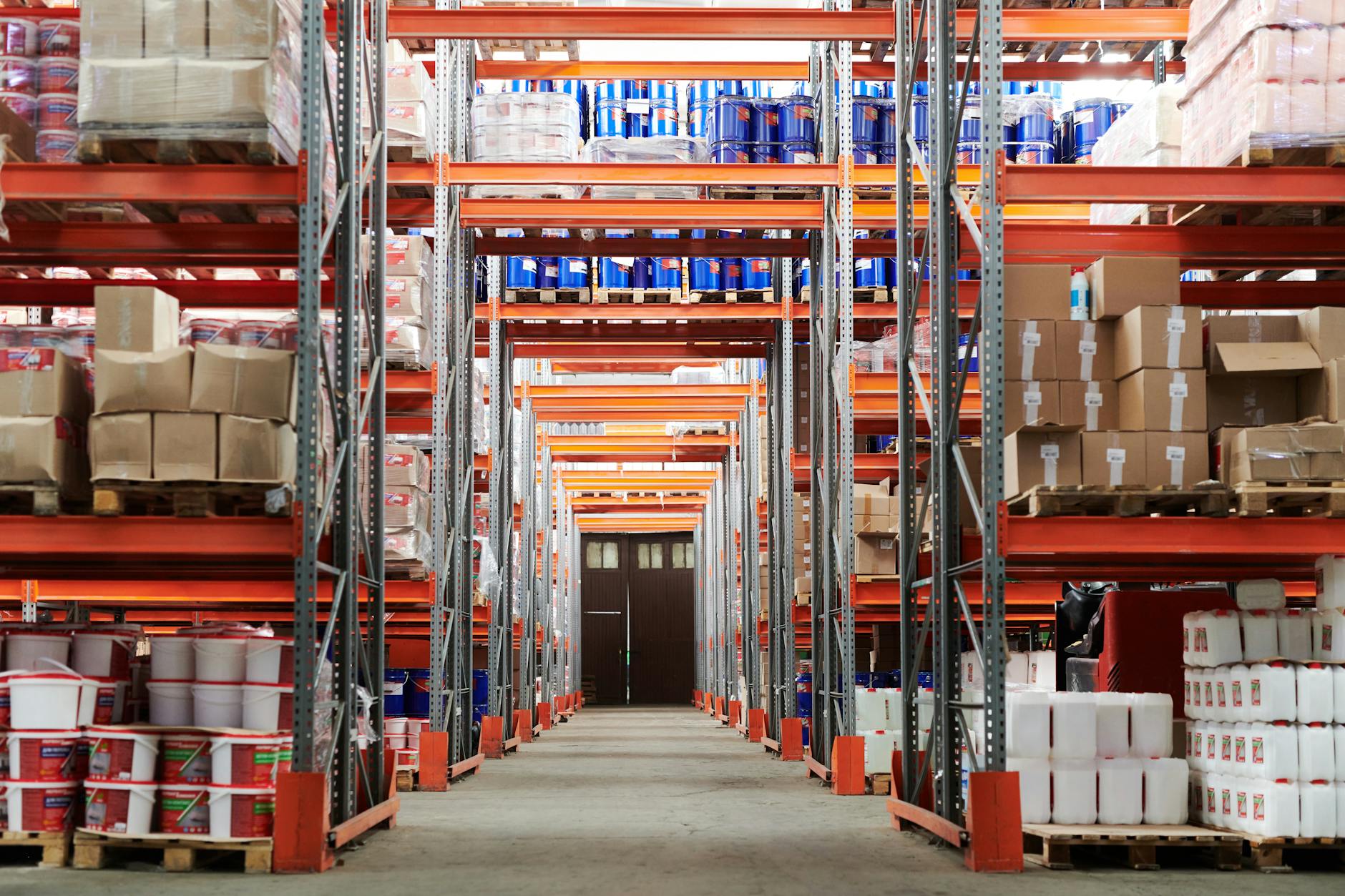
Distribution centers (DCs) are specialized facilities in the logistics and supply chain industry primarily designed for the storage, handling, and distribution of goods. Their main purpose is to streamline operations, manage inventory effectively, and fulfill customer orders efficiently. The importance of distribution centers lies in their ability to reduce shipping times, lower logistics costs, and improve inventory management through optimized processes. Beyond mere storage, DCs act as crucial nodes that enable the seamless flow of goods from manufacturers to end-users, playing a strategic role in modern supply chains.
Etymology and Origins
The term "distribution center" began to gain prominence in the mid-20th century, specifically the 1950s and 1960s, as businesses required more sophisticated logistics solutions to cope with increasing demand and complexity in supply chains. The word "distribution" comes from the Latin root "distributio," meaning to divide or apportion, reflecting the primary function of disseminating goods. Early concepts of centralized storage and onward distribution can be traced back to ancient Roman horrea or medieval merchant warehouses, but these were primarily for static storage rather than dynamic throughput. The modern DC concept truly emerged as a direct evolution from the traditional warehouse, transforming from a passive storage unit into an active hub for product flow and value-added services.
Historical Development
The evolution of distribution centers is a testament to the dynamic nature of logistics, driven by industrial advancements, technological innovation, and evolving consumer demands.
- Pre-1950s: Traditional Warehousing: For centuries, facilities were primarily static storage locations, often owned by manufacturers or wholesalers, focused on holding inventory until demand arose. Handling was manual, and processes were largely unstandardized.
- 1950s-1960s: Emergence of the DC Concept: The post-World War II economic boom led to increased production and consumer demand. Companies like Sears, Roebuck and Co. began developing large, centralized facilities to serve multiple retail outlets efficiently. The term "distribution center" formalized as these facilities began integrating inbound receiving, outbound shipping, and basic sorting, moving beyond simple storage to focus on goods movement and regional supply.
- 1970s: Computerization and MRP: The advent of mainframe computers introduced the first attempts at systematic inventory control. Material Requirements Planning (MRP) systems gained traction, primarily in manufacturing, laying the groundwork for more sophisticated inventory management within DCs. This decade saw early computer-aided stock location and retrieval.
- 1980s: Just-In-Time (JIT) and Early WMS: Inspired by the success of Toyota's production system, the just-in-time philosophy emphasized minimizing inventory and improving flow. This pressured DCs to become more efficient, reducing holding costs. The first rudimentary Warehouse Management Systems (WMS) began to appear, offering automated tracking of inventory and labor.
- 1990s: ERP Integration and E-commerce Foundations: WMS became more robust and integrated with Enterprise Resource Planning (ERP) systems. Barcoding technology became ubiquitous, significantly improving accuracy and speed in picking and shipping. The nascent growth of e-commerce began to foreshadow the need for faster, more individualized order fulfillment.
- 2000s: E-commerce Boom and Advanced Automation: The rapid expansion of e-commerce transformed DCs into high-throughput fulfillment centers. This era saw the widespread adoption of advanced automation, including Automated Storage and Retrieval Systems (AS/RS) and sophisticated conveyor systems. The focus shifted to speed, accuracy, and handling a higher volume of smaller, more frequent orders. Technologies like real-time inventory tracking and mobile WMS became critical.
- 2010s-Present: Robotics, AI, and Omnichannel: The industry has embraced robotics (e.g., Autonomous Mobile Robots (AMRs) for picking and transport), Artificial Intelligence (AI) for demand forecasting and optimization, and Machine Learning (ML) for predictive analytics. The rise of omnichannel retail demands DCs that can handle both bulk store orders and direct-to-consumer shipments simultaneously, leading to the development of micro-fulfillment centers and urban logistics hubs. Sustainability has also become a major consideration, pushing for greener operations.
Key figures in the development of distribution centers include logistics pioneers such as Peter Drucker, who articulated the importance of logistics in economic growth, and companies like Amazon, which have reshaped customer expectations around delivery times and operational efficiency through continuous innovation in their fulfillment networks.
Core Concepts
Distribution centers operate based on several core principles, integrating technology and best practices to optimize goods movement:
- Inventory Management: Effective management of stock levels is paramount. This includes strategies like cycle counting for continuous verification, stock replenishment systems to maintain optimal levels, and the use of a visual inventory management system for real-time visibility. Detailed processes for adding and managing inventory are crucial.
- Order Fulfillment: This encompasses the entire process from order reception to shipment. Efficient methods include pick-to-tote and batch picking to enhance productivity. Modern DCs leverage pick, pack, ship software to automate and streamline these steps, ensuring timely and accurate delivery. The integration of mobile order fulfillment software empowers workers with real-time data.
- Cross-Docking: A highly efficient logistics practice where products are directly transferred from inbound to outbound transport with minimal or no storage time, as outlined in the Cross-Docking Guide. This significantly reduces handling costs and speeds up delivery.
- Value-Added Services (VAS): Beyond basic storage and movement, many DCs perform tasks like kitting, labeling, packaging, light assembly, and customization. Kitting, for instance, involves assembling multiple individual items into a single ready-to-ship package.
- Technology Integration: Utilizing advanced software solutions is fundamental. This includes mobile warehouse management systems that enable real-time updates and facilitate workforce management, warehouse layout preview tools for optimizing space, and defined workflows to standardize operations from receiving with bin put-away criteria to shipping.
Industry Applications
Distribution centers are utilized across various sectors, each with unique requirements and challenges:
- Retail: Major retailers, both brick-and-mortar and e-commerce, rely on DCs to manage inventory for storefronts and fulfill direct-to-consumer orders. Shopify WMS integration helps retailers manage their diverse channels.
- Pharmaceuticals: Handling sensitive products requires stringent control over temperature, humidity, and security. DCs in this sector must ensure compliance with Good Distribution Practices (GDP) and other regulatory standards, often employing specialized cold chain logistics.
- Food and Beverage: Addressing the complex logistics of perishable goods, requiring fast-turnaround operations, strict temperature control, and adherence to food safety regulations. Cross-docking and efficient routing are critical.
- Automotive: DCs manage millions of unique parts, often for just-in-time delivery to assembly plants or service centers, requiring highly organized and traceable inventory systems.
- Third-Party Logistics (3PLs): Many companies outsource their distribution needs to 3PL providers, who operate DCs serving multiple clients across various industries, offering specialized services and economies of scale.
Benefits and Advantages
The implementation of distribution centers offers several significant advantages for businesses:
- Efficiency: Streamlined processes, optimized layouts, and technology integrations lead to faster order fulfillment, reduced errors, and improved customer satisfaction. This efficiency extends to better labor utilization and reduced processing times.
- Cost Savings: Centralizing storage and distribution can reduce operational costs through economies of scale, optimized transportation routes, and reduced inventory holding costs by minimizing stock at individual retail locations. Effective purchase order management further enhances cost control.
- Market Responsiveness: DCs enable businesses to respond quickly to changing consumer demands, market shifts, and seasonal fluctuations, ensuring product availability and minimizing stockouts.
- Competitive Advantage: Efficient distribution networks can provide a significant competitive edge by offering faster delivery, better service, and lower prices than competitors, thereby improving customer loyalty and market share.
- Flexibility: The ability to adapt to changing consumer demands and logistics challenges quickly, often by reconfiguring operations or leveraging advanced systems to handle diverse product mixes and order profiles.
Challenges and Limitations
While distribution centers provide numerous benefits, they also present challenges that organizations must navigate:
- High Initial Investment: The cost of acquiring land, constructing facilities, purchasing advanced automation systems, and implementing sophisticated software can be substantial. This requires significant capital outlay and careful financial planning.
- Management Complexity: Coordinating diverse operations, managing a large workforce, and maintaining efficiency across a vast product range can be challenging. This complexity is amplified by varying customer demands and global supply chain intricacies.
- Labor Management: DCs often require a significant labor force, and managing workforce productivity, retention, and training can be a persistent challenge. Tools for employee productivity tracking can help but don't fully alleviate these issues.
- Supply Chain Disruptions: External factors such as natural disasters, pandemics, geopolitical events, or transportation strikes can severely affect DC operations, leading to delays and increased costs.
- Technological Obsolescence: The rapid pace of technological change means that investments in automation and IT systems can quickly become outdated, requiring continuous upgrades and re-investment.
Future Trends
The future of distribution centers is characterized by continued innovation aimed at enhancing agility, sustainability, and customer centricity:
- Advanced Automation and Robotics: Expect increased deployment of highly intelligent robotics, including collaborative robots (cobots), autonomous mobile robots (AMRs), and drone technology for inventory checks. These will work alongside humans to further enhance efficiency and reduce labor costs.
- Sustainability and Green Logistics: Growing emphasis on reducing carbon footprints through energy-efficient buildings, renewable energy sources, optimized transportation routes, and sustainable packaging. DCs will play a central role in circular economy initiatives.
- Omnichannel Fulfillment and Micro-Fulfillment: DCs will continue to evolve to seamlessly support both online and offline sales channels. This includes the proliferation of urban micro-fulfillment centers closer to consumers to enable ultra-fast delivery and curbside pickup options.
- Artificial Intelligence and Machine Learning: AI will be leveraged for predictive analytics, demand forecasting, inventory optimization, dynamic pricing, and autonomous decision-making within the DC, leading to smarter and more responsive operations.
- Real-time Visibility and IoT: Increased use of Internet of Things (IoT) devices for real-time tracking of inventory, assets, and environmental conditions within the DC and across the supply chain, providing unprecedented transparency and control. This enables proactive management and quicker responses to issues.
- Flexible and Adaptable Infrastructure: DCs will be designed for greater modularity and scalability, allowing them to quickly reconfigure layouts and processes to adapt to changing product mixes, order volumes, and fulfillment strategies.
Related Concepts
Distribution centers are closely related to other integral concepts in logistics and supply chain management, understanding which enhances the overall efficiency of operations:
- Warehousing Strategies: Encompasses the design, layout (warehouse layout preview), and operational methodologies within a facility.
- Inventory Optimization: Techniques and tools for managing stock levels, including visual inventory management and demand forecasting, to minimize costs while meeting service levels.
- Supply Chain Optimization: The overarching effort to maximize efficiency and effectiveness across the entire supply chain, from sourcing raw materials to final delivery.
- Logistics Network Design: Strategic planning of facility locations, capacities, and transportation links to efficiently serve markets.
- Order Management Systems (OMS): Software like SkuSavvy's Order Management System that handles the entire lifecycle of a customer order, from placement to post-fulfillment.
- Shipping and Fulfillment Software: Solutions designed to streamline the packing, labeling, and shipping processes, often integrating with carriers, as exemplified by SkuSavvy's shipping and fulfillment software.
Sources
- Order Management System
- Stock Replenishment Guide
- Cycle Counting Guide
- Mobile WMS Overview
- Cross-Docking Guide
- Pick-to-Tote Guide
- The Evolving Role of Distribution Centers in Supply Chain Strategy
- The Handbook of Logistics and Distribution Management
- The Evolution of Warehousing: A Systematic Literature Review
- What is Logistics?
- Sears, Roebuck and Company
- APICS Dictionary: Material Requirements Planning (MRP)
- The Toyota Production System
- The Evolution of the Warehouse Management System
- What is an Autonomous Mobile Robot (AMR)?
- The New Science of Customer Journeys
- The Daily Drucker: Logistics Productivity
- Visual Inventory Management System
- Adding Inventory Guide
- Pick, Pack, Ship Software
- Mobile Order Fulfillment
- Kitting Guide
- Warehouse Layout Preview
- Workflows Overview
- Bin Put-Away Criteria
- WHO Guide to Good Distribution Practices for Pharmaceutical Products
- FDA Food Safety Modernization Act (FSMA)
- Shopify WMS Overview
- Integrations Hub
- Purchase Order Management
- Productivity Tracking
- Micro-fulfillment centers emerge as a key strategy to deliver on consumer expectations
- Shipping & Fulfillment Software