Distributed Order Management
Distributed Order Management (DOM) optimizes order fulfillment across multiple locations, improving inventory visibility and customer satisfaction.
Updated
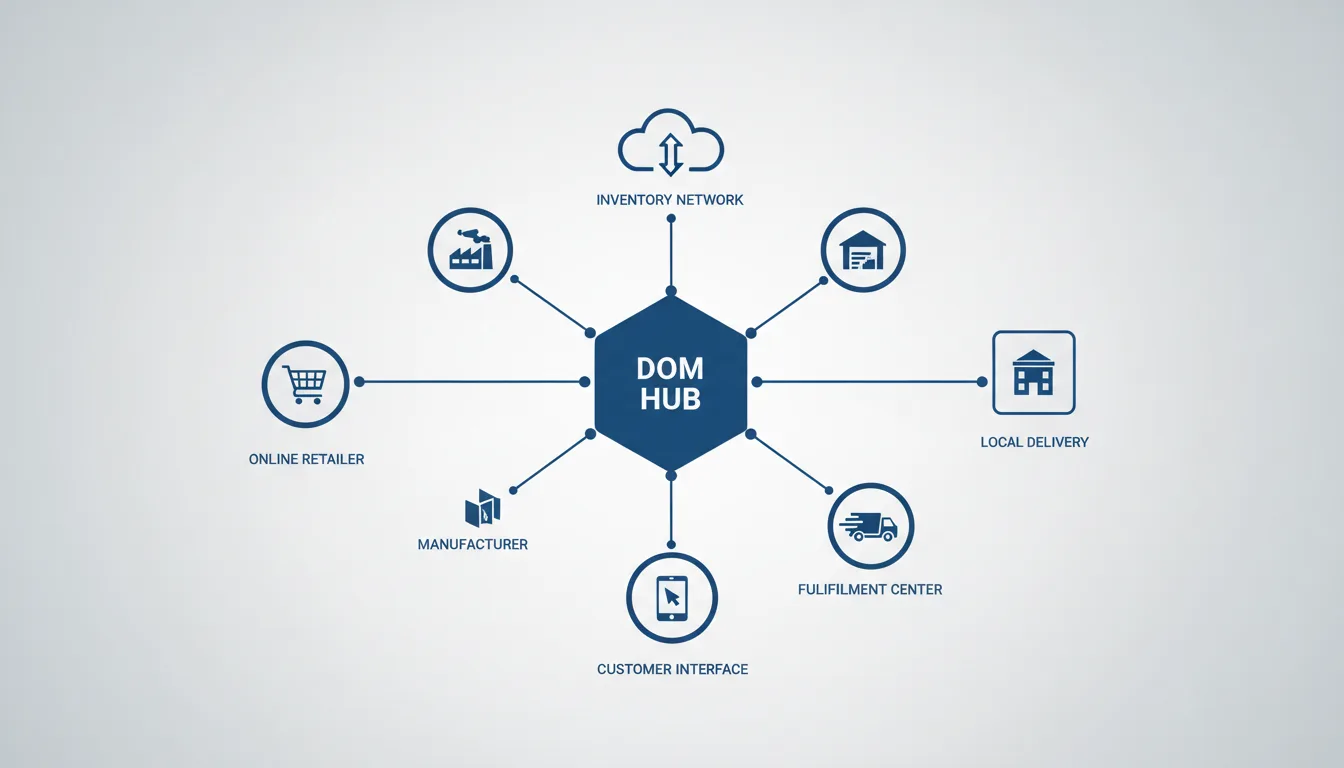
Distributed Order Management
Overview
Distributed Order Management (DOM) is a strategic approach that optimizes the process of order fulfillment across multiple locations or channels within an organization. The primary goal of DOM is to enhance customer satisfaction by ensuring timely and accurate order delivery. This system leverages real-time inventory visibility, allowing businesses to efficiently allocate resources for order processing, thus minimizing costs and maximizing operational efficiency.
Etymology and Origins
The term Distributed Order Management emerged from the evolution of logistics and supply chain management practices in the late 20th century. The first documented usage of the term appears in the 1990s, coinciding with advancements in order processing and inventory management technology. Linguistically, distribution refers to the action of sharing something among a number of recipients, while order management relates to the methods employed to track, fulfill, and manage customer orders. Over time, the concept evolved as companies began to implement technology-driven solutions to manage increasingly complex supply chains that included various endpoints such as retail locations and online platforms. The rise of e-commerce throughout the late 1990s and 2000s further propelled the need for systematic, distributed approaches to order fulfillment.
Historical Development
1990s - Beginnings of DOM
In the early 1990s, advancements in warehouse automation and inventory management systems paved the way for Distributed Order Management practices. Pioneering companies, including IBM and SAP, began developing software solutions that allowed businesses to manage orders across various locations efficiently. This era saw the introduction of Just-In-Time (JIT) inventory systems, particularly at Toyota, which emphasized reducing waste and improving efficiency. Early systems typically focused on streamlining order processing but often lacked real-time visibility.
2000s - Technological Advancements
By the 2000s, technologies such as Enterprise Resource Planning (ERP) systems and Warehouse Management Systems (WMS) became critical tools in the advancement of DOM. Notable companies like SAP and Oracle released sophisticated platforms that integrated inventory levels and customer orders across multiple locations. The introduction of RFID technology revolutionized inventory tracking, further enhancing the capability of DOM systems to manage orders effectively. The publication of industry standards like the ISO 9001 also guided firms toward adopting structured quality management systems to support their logistics operations.
2010s - Rise of E-commerce
With the rapid growth of e-commerce throughout the 2010s, demand for flexible order fulfillment options surged. Businesses turned to DOM systems that included features like automated rate selection and multi-channel fulfillment to manage heightened customer expectations regarding speed and flexibility. Companies invested in DOM technologies to remain competitive in an increasingly complex marketplace, leading to the rise of new solutions that integrated directly with e-commerce platforms and streamlined last-mile delivery processes.
Core Concepts
At its core, Distributed Order Management employs several principles:
- Inventory Visibility: Real-time access to inventory levels across various locations is crucial for optimizing order fulfillment. This visibility allows companies to allocate orders to warehouse locations that can fulfill them fastest.
- Dynamic Allocation: The system dynamically allocates orders to the most suitable fulfillment centers based on inventory levels, proximity to the customer, and existing fulfillment workload.
- Multi-Channel Fulfillment: With the rise of e-commerce and multiple sales channels, DOM integrates order processing across both online and offline environments, ensuring seamless customer experiences.
- Automated Decision Making: Advanced algorithms and machine learning play a role in automating decision-making processes within the DOM system, leading to faster and more accurate order fulfillment.
Benefits and Advantages
The adoption of Distributed Order Management provides several key benefits, including:
- Enhanced Customer Satisfaction: Timely and accurate order delivery increases customer loyalty and satisfaction levels.
- Cost Savings: By optimizing the allocation of orders, organizations can reduce shipping costs and improve efficiency within their supply chains.
- Increased Flexibility: The ability to manage orders across various locations allows for better compliance with customer demands and market fluctuations.
- Improved Operational Efficiency: Streamlined processes lead to faster order processing times and reduced labor costs.
Challenges and Limitations
Despite its advantages, implementing a Distributed Order Management system may pose certain challenges:
- Complexity of Integration: Incorporating DOM with existing ERP and WMS systems can be technically complex and resource-intensive.
- Data Management Issues: Ensuring consistent and accurate data across multiple platforms and locations can be challenging, impacting overall system performance.
- Resistance to Change: Employees may resist adopting new processes and technologies, requiring careful change management and training efforts.
Technology and Tools
Distributed Order Management relies on various technologies and tools to function effectively:
- Order Management Systems (OMS): Specialized software solutions facilitate the management of order processing, tracking, and fulfillment. Many organizations utilize Order Management Systems to streamline operations and enhance customer service.
- Warehouse Management Systems (WMS): Tools like Mobile WMS enable efficient management of inventory and order fulfillment processes across distributed locations.
- Data Analytics Tools: Advanced data analytics enables businesses to forecast demand and optimize inventory levels across various channels, leading to improved operational efficiency.
Future Trends
The future of Distributed Order Management is poised for significant growth and evolution, driven by emerging technologies and changing consumer preferences:
- Artificial Intelligence (AI): The integration of AI into DOM systems promises to enhance predictive analytics and automated decision-making capabilities.
- Blockchain Technology: As supply chains become more complex, blockchain may offer enhanced transparency and traceability in order processing.
- Seamless Integration Across Platforms: Future systems will likely focus on improved integration capabilities with e-commerce platforms and social media channels, reflecting changing consumer behaviors.
Related Concepts
Distributed Order Management is closely related to various logistics concepts, such as Supply Chain Management, Inventory Optimization, and Last Mile Delivery. These interconnected areas often overlap, contributing to the overall efficiency and effectiveness of order fulfillment strategies.