Descartes Systems
Explore the comprehensive services and innovations offered by Descartes Systems in logistics and supply chain management.
Updated
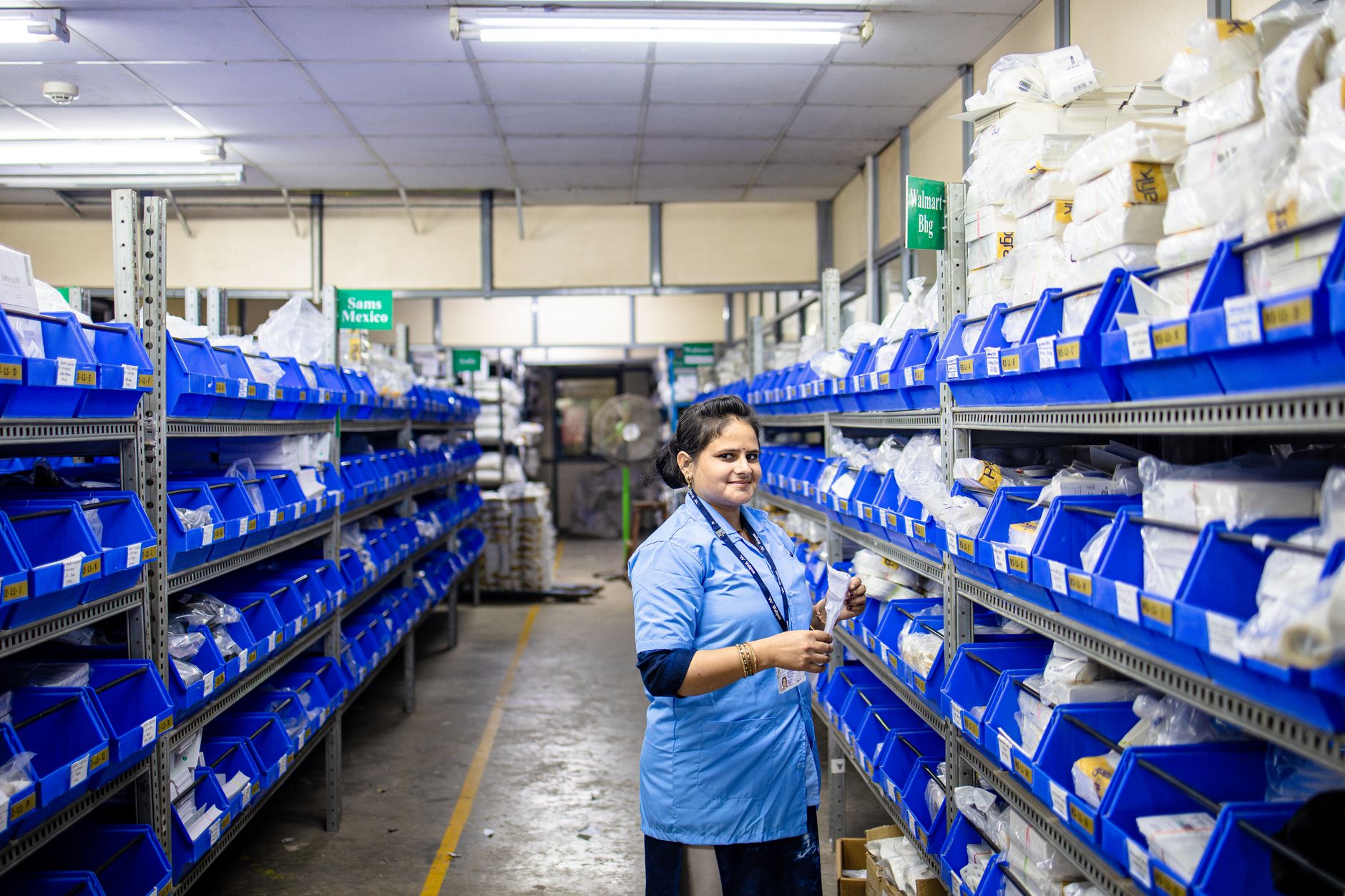
Overview
Descartes Systems Group Inc. is a global leader in providing software as a service (SaaS) solutions for logistics, supply chain management, and compliance. Founded in 1981, it specializes in integrating and automating logistics processes to enhance efficiency and reduce costs across the entire supply chain. The company offers a comprehensive suite of solutions that cater to various aspects of logistics, including transportation management, route optimization, customs and regulatory compliance, and inventory and warehouse management. By leveraging advanced technology and a network-based approach, Descartes helps organizations navigate complex supply chain challenges, optimize delivery processes, and improve overall operational performance, serving over 20,000 customers globally (Transport Topics).
Etymology and Origins
The name "Descartes" is inspired by the 17th-century French philosopher, mathematician, and scientist René Descartes, widely regarded as the father of modern philosophy. His principles of rational inquiry, analytical geometry, and systematic methodology align closely with the company's foundational focus on bringing structure, logic, and efficiency to the complex world of logistics. Established in 1981, Descartes was envisioned as a revolutionary force in how businesses manage logistics through strategic data insights, technological innovation, and a focus on quantifiable improvements. The founders aimed to apply Cartesian principles of breaking down intricate problems into smaller, manageable parts and solving them systematically to logistics operations, which were predominantly manual, fragmented, and inefficient at that time. This analytical approach was pioneering for the early 1980s logistics landscape, which largely relied on paper-based processes and disparate systems [1].
Historical Development
1980s - 1990s: Pioneering EDI and Client-Server Solutions
Descartes Systems Group was founded in Waterloo, Ontario, in 1981, at a time when the logistics industry was ripe for technological disruption. The company initially focused on developing Electronic Data Interchange (EDI) solutions. These early systems were crucial for automating the exchange of business documents like purchase orders, invoices, and shipping notices between trading partners, marking a significant leap from manual, paper-based processes that often led to delays and errors [2]. By standardizing communication, EDI laid the groundwork for more integrated supply chains. As logistics grew increasingly complex, Descartes expanded into client-server based software for route optimization and fleet management, providing dispatchers and fleet managers with unprecedented control and visibility. By 1998, recognizing the nascent but immense potential of the internet, they launched their first web-based product, marking a pivotal transition toward internet-enabled logistics applications and laying the groundwork for future SaaS offerings (Descartes Investor Relations).
2000s: Strategic Acquisitions and Network Expansion
The 2000s marked a period of significant expansion for Descartes, driven largely by strategic acquisitions aimed at broadening its solution portfolio and geographic reach. Key acquisitions during this decade included Software Navigator Inc. in 2005, which enhanced their inter-enterprise logistics capabilities by adding expertise in freight audit and payment. Other notable acquisitions included TradeStone Software for global trade management and the acquisition of the Global Logistics Network assets from EGL Eagle Global Logistics, which was instrumental in forming the foundation of Descartes' Global Logistics Network (GLN). This network strategy connected shippers, carriers, freight forwarders, and customs brokers, transforming disparate point solutions into a unified logistics technology platform, enabling seamless information flow and collaboration across the entire supply chain [3].
2010s: Cloud Dominance and Mobile Integration
As the 2010s unfolded, Descartes solidified its status as a leading SaaS provider, fully embracing cloud computing models. The shift to cloud-based delivery allowed for greater scalability, reduced IT overhead for customers, and facilitated continuous updates and innovations. In 2010, the company was listed on the Toronto Stock Exchange (TSX) under the ticker symbol 'DSG', further solidifying its market presence. This era was characterized by an increasing demand for real-time visibility and flexibility, prompting Descartes to launch its mobile logistics solutions. These mobile applications empowered drivers, field service technicians, and warehouse personnel to access critical logistics information and perform tasks on the go, such as capturing electronic proof of delivery (ePOD), managing schedules, and updating inventory, significantly enhancing operational agility and data capture at the point of activity. The focus shifted towards an end-to-end, integrated platform delivered via the cloud, emphasizing ease of deployment and scalability for customers.
2020s: AI, IoT, and Advanced Predictive Analytics
Currently, Descartes continues to innovate with advanced cloud-based logistics solutions, placing a strong emphasis on real-time data processing, predictive analytics, and integration with emerging technologies. The company leads the charge in incorporating Artificial Intelligence (AI) and Machine Learning (ML) into its offerings for demand forecasting, dynamic route optimization, and risk mitigation. For example, AI algorithms analyze historical data, traffic patterns, and weather conditions to suggest the most efficient delivery routes, adapting in real-time to unforeseen events. The integration of Internet of Things (IoT) devices enhances the tracking of goods, assets, and environmental conditions across the supply chain, providing unprecedented visibility into temperature-sensitive shipments or asset utilization. This continuous evolution positions Descartes at the forefront of logistics technology, enabling customers to achieve greater resilience, sustainability, and efficiency in an increasingly complex global trade environment (Forbes).
Core Concepts
Descartes Systems focuses on several core concepts essential to modern logistics, leveraging its comprehensive technology platform:
- Transportation Management: The company's transportation management software (TMS) provides advanced tools for optimizing delivery routes, scheduling shipments (including multi-modal and complex freight), tendering loads to carriers, managing fleet operations, and controlling freight costs. This includes capabilities for dispatch, electronic proof of delivery (ePOD), and driver management, aiming to reduce mileage, fuel consumption, and improve on-time performance.
- Compliance and Security: Descartes offers robust solutions that ensure adherence to international trade regulations, customs requirements, and security protocols. Automated customs declarations, denied party screening, tariff classification, and trade content management safeguard companies against potential fines, delays, and supply chain disruptions by streamlining complex regulatory processes and providing access to up-to-date trade data.
- Warehouse Management: Their warehouse management systems (WMS) assist businesses in streamlining warehouse operations through enhanced inventory tracking, intelligent slotting, order management, and automated workflows. For instance, their solutions support processes such as receiving, putaway (bin put-away criteria), batch picking, cycle counting, and efficient packing and shipping, including utilizing pick-pack-ship software. Their systems aim to optimize space utilization, reduce labor costs, and improve inventory accuracy, often using visual inventory management systems to provide a clear overview of stock.
- Broker & Forwarder Solutions: Descartes provides specialized tools for freight forwarders and customs brokers, facilitating rate management, shipment booking, tracking, and compliance across complex global networks. These solutions aim to automate documentation, improve communication with clients and carriers, and ensure adherence to customs regulations, thereby speeding up transit times and reducing administrative burdens.
Industry Applications
Descartes serves a variety of industries globally, providing tailored logistics solutions that drive efficiency and competitive advantage. Its systems are widely adopted across:
- Transportation and Logistics Service Providers (LSPs): Transportation companies and LSPs utilize Descartes’ tools for efficient routing and scheduling, load optimization, fleet management, and real-time visibility across their networks, significantly reducing operational costs and improving service levels (Logistics Management). For example, large trucking fleets use their solutions to manage driver hours, plan fuel-efficient routes, comply with electronic logging device (ELD) mandates, and optimize backhauls.
- Retail and E-commerce: Retailers leverage Descartes to manage inventory levels, optimize distribution channels, and enhance omnichannel fulfillment strategies. This includes capabilities for inventory synchronization across multiple locations, last-mile delivery optimization, and customer-centric delivery options (e.g., click-and-collect), thereby enhancing customer satisfaction with timely and accurate deliveries and returns processing.
- Manufacturing: Manufacturers employ Descartes for optimizing the flow of raw materials, managing inter-plant transfers, and orchestrating outbound finished goods distribution. Their solutions integrate with Enterprise Resource Planning (ERP) systems to provide end-to-end visibility and control over the manufacturing supply chain, ensuring just-in-time delivery, reducing carrying costs, and managing complex Bill of Materials (BOM) for production.
- Food and Beverage: Companies in this sector utilize Descartes for cold chain management, delivery route optimization for perishable goods, and compliance with stringent food safety regulations, ensuring product integrity from farm to fork and minimizing spoilage and waste.
- Healthcare and Pharmaceuticals: For this highly regulated sector, Descartes provides solutions for temperature-controlled logistics, compliant transportation of sensitive materials, and secure delivery, ensuring product integrity and patient safety while adhering to strict regulatory frameworks such as Good Distribution Practices (GDP) [4].
Benefits and Advantages
The advantages of leveraging Descartes Systems' comprehensive suite of solutions include:
- Improved Operational Efficiency: Automated processes reduce manual errors, accelerate task completion (e.g., through optimized picking paths or automated customs declarations), and streamline complex logistics workflows, leading to significant productivity gains and faster order fulfillment.
- Cost Reduction: Enhanced route optimization, efficient inventory and warehouse management, and optimized freight procurement lead to lower transportation, warehousing, and labor costs. For instance, route planning can significantly cut fuel expenses, while efficient stock replenishment minimizes excess inventory.
- Real-Time Visibility and Insights: The integration of data analytics and reporting provides unparalleled visibility into supply chain operations, enabling real-time monitoring, proactive problem-solving, and informed strategic decision-making (Supply Chain Dive). This visibility extends from factory floor to customer doorstep, allowing for accurate demand forecasting and responsive supply chain adjustments.
- Enhanced Compliance and Risk Management: Automated compliance checks, access to up-to-date regulatory information, and features like denied party screening mitigate risks associated with international trade, customs, and transportation, reducing potential penalties and disruptions. This is crucial for maintaining legal standing and supply chain continuity.
- Scalability and Flexibility: As SaaS solutions, Descartes' offerings are highly scalable, allowing businesses to adapt quickly to changing market demands, seasonal fluctuations, growth, and evolving logistics requirements without significant upfront infrastructure investments. This flexibility supports agile business strategies.
Challenges and Limitations
Despite its strengths and extensive capabilities, Descartes Systems, like many enterprise solutions, presents certain challenges:
- Integration Complexities: While designed for integration, connecting Descartes' modular solutions with diverse legacy systems, existing ERP platforms, and third-party applications can be complex and resource-intensive, requiring careful planning, potentially custom development, and robust API management (Gartner Peer Insights). This often necessitates skilled IT personnel or external consultants.
- Cost of Implementation and Ownership: Initial investment for implementation, configuration, training, and ongoing subscription costs can be a significant barrier for smaller logistics firms or businesses with tight budgets. The return on investment (ROI) needs to be carefully evaluated, considering the long-term benefits versus the total cost of ownership.
- Learning Curve: The breadth and depth of Descartes' offerings mean that users require adequate training to fully leverage the system's capabilities, presenting a learning curve for new employees or those transitioning from simpler systems. Proper change management strategies are essential to ensure user adoption and maximize benefits.
- Vendor Lock-in: Relying heavily on a single comprehensive provider for critical logistics functions can lead to vendor lock-in, making it difficult or costly to switch to alternative solutions if business needs change or new technologies emerge that are not integrated into the existing ecosystem [5].
Best Practices
Organizations seeking to implement and maximize the value from Descartes solutions should adopt several best practices:
- Prioritize Comprehensive Training: Ensure all staff, from warehouse floor to executive management, receive adequate and ongoing training tailored to their roles to ensure effective use of the technology and maximize adoption. This includes hands-on workshops and continuous learning opportunities.
- Leverage Analytics and Reporting: Proactively utilize the built-in analytics capabilities and reporting dashboards to monitor logistics performance, identify bottlenecks, and adjust strategies dynamically. This includes setting key performance indicators (KPIs) relevant to specific business goals, such as delivery success rates, inventory turns, and transportation costs.
- Phased Implementation Strategy: For large-scale deployments, consider a phased implementation approach, starting with critical modules and gradually expanding to others to allow for smoother integration, minimize disruption, and enable iterative learning and optimization. This reduces risk and allows for proof of concept at each stage.
- Data Quality Management: Emphasize maintaining high data quality across all integrated systems. Accurate master data (products, locations, customer information, vendor details) is crucial for optimal functioning of route optimization, inventory management, and compliance modules. Poor data quality can undermine even the most sophisticated systems.
- Continuous Optimization: Logistics is dynamic. Regularly review system configurations, workflows, and processes in conjunction with Descartes' support or professional services to identify opportunities for continuous improvement and adapt to evolving business needs, market changes, and technological advancements.
Future Trends
The future of logistics technology, particularly for industry leaders like Descartes, is shaped by several transformative trends:
- Advancements in AI and Machine Learning: Firms are increasingly turning to AI and ML for predictive analytics to anticipate demand fluctuations, optimize dynamic routing in real-time based on traffic and weather, and mitigate disruptions before they occur. This includes autonomous decision-making support and enhanced forecasting capabilities, allowing for more resilient and adaptive supply chains. The ROI on WMS solutions is significantly boosted by such intelligent automation.
- Integration of IoT and Edge Computing: The Internet of Things (IoT) enables improved tracking of goods, assets, and environmental conditions through connected devices, enhancing real-time visibility across the supply chain. Edge computing complements this by processing data closer to the source, facilitating faster decision-making and reducing latency for critical logistics operations (e.g., autonomous vehicles or smart warehouse robots) (Gartner).
- Emphasis on Sustainability and Green Logistics: With growing environmental concerns and regulatory pressures, future solutions will increasingly focus on optimizing for reduced carbon footprints, fuel efficiency, and sustainable packaging. Descartes is already incorporating features to support green logistics initiatives through route optimization and emissions tracking, aligning with corporate social responsibility goals.
- Increased Automation in Warehousing and Fulfillment: The rise of robotics, automated guided vehicles (AGVs), and smart warehouse technologies will further integrate with WMS platforms to create highly automated and efficient fulfillment centers. SkuSavvy also offers advanced features for visual inventory management and mobile warehouse management to support this trend, enabling seamless operations with automated equipment. Features like pick-to-tote workflows can further enhance automation.
Related Concepts
Understanding Descartes Systems also necessitates familiarity with related logistics concepts such as Warehouse Management, Order Management Systems, pick-pack-ship software, Electronic Data Interchange (EDI), Supply Chain Visibility, and Global Trade Compliance.
Sources
- What is Descartes' Global Logistics Network
- René Descartes - Stanford Encyclopedia of Philosophy
- René Descartes | Biography, Philosophy, & Facts
- About Us - Descartes Systems Group
- Electronic Data Interchange (EDI)
- What is client-server architecture?
- Descartes Systems Investor Relations
- Descartes Acquires Software Navigator Inc.
- Transportation Management Solutions - Descartes
- Descartes Systems Group Inc. on TSX
- AI & Machine Learning in Supply Chain Optimization
- IoT and Real-time Visibility in Logistics
- Descartes Route Planner
- Descartes Customs Info Trade Content
- Order Management System
- Bin Put-Away Criteria
- Batch Picking Guide
- Cycle Counting Guide
- Pick, Pack, Ship Software
- Warehouse Management Solutions - Descartes
- Shopify Global Inventory
- Gartner Peer Insights - Descartes Systems Group
- Descartes 2023 Sustainability Report
- Visual Inventory Management System
- Electronic Data Interchange (EDI) Definition
- The Value of Supply Chain Visibility
- Global Trade Compliance - EY
- History of Logistics and Supply Chain Management
- The Evolution of EDI: From Mainframes to the Cloud
- Descartes acquires Global Logistics Network assets from EGL
- WHO Guidelines on Good Distribution Practices (GDP) for Pharmaceutical Products
- What is Vendor Lock-in? Definition & Meaning
- Cycle Counting Guide
- Stock Replenishment Guide
- How to Calculate ROI on Shopify Inventory Management App
- Pick-to-Tote Guide
- Key Performance Indicators (KPIs) in Supply Chain
- Gartner Glossary: Data Quality