Delivery Speed in Logistics
Delivery speed is a critical factor in logistics, influencing customer satisfaction, operational efficiency, and overall competitiveness in the supply chain.
Updated
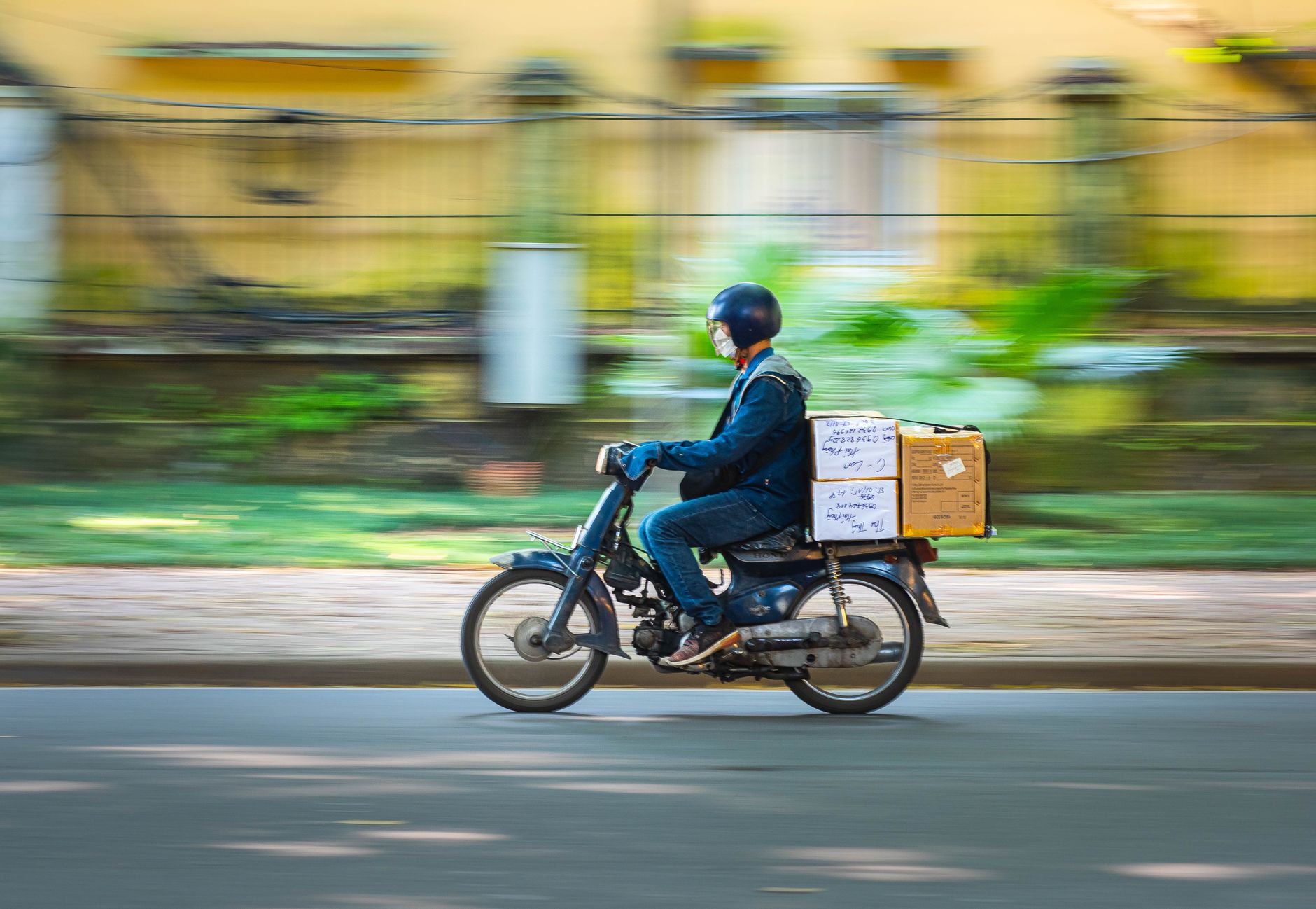
Overview
Delivery speed refers to the duration taken from the moment an order is placed until it is received by the customer. In logistics, this metric is crucial because it significantly impacts customer satisfaction, operational efficiency, and competitive positioning. Fast delivery has become a key differentiator for businesses, with trends showing consumers increasingly expecting next-day or even same-day service, further complicating logistics strategies. Additionally, achieving optimal delivery speed can involve various operational considerations, from inventory management to transportation choices, often requiring advanced shipping and fulfillment software.
Etymology and Origins
The term "delivery speed" as a critical business metric and strategic imperative is a relatively modern concept within the broader evolution of logistics. While the words "delivery" (from Old French délivrer meaning to set free or give up) and "speed" (from Old English spēd meaning success, prosperity, or haste) have ancient roots, their combination to denote a measured duration of goods movement, particularly for commercial advantage, gained prominence in the mid to late 20th century [7].
Historically, early forms of goods movement, such as ancient postal services or trade caravans, prioritized reliability and reach over raw speed, which was often limited by available technology [8]. The focus on speed as a distinct competitive factor began to crystallize with the advent of faster transportation methods during the Industrial Revolution (e.g., steamships and railways) and accelerated significantly with the development of modern express parcel services and Just-in-Time (JIT) manufacturing in the late 20th century. In this context, "delivery speed" evolved from a mere description of transit time to a vital performance indicator reflecting operational agility and customer-centricity.
Historical Development
Emergence and Key Figures
The concept of delivery speed gained strategic prominence in the mid-20th century following post-war industrial expansion and the need for more efficient supply chains. Before dedicated express services, the United States Postal Service (USPS) and United Parcel Service (UPS), founded in 1907, laid the groundwork for parcel delivery, though speed was often secondary to reliability and reach [9].
The true revolution began with companies like FedEx (founded in 1971), which pioneered the hub-and-spoke model for overnight shipping, explicitly marketing speed as its core service offering. This innovation marked the birth of a new logistics paradigm that prioritized rapid delivery as a fundamental service. Around the same time, the adoption of Just-in-Time (JIT) manufacturing principles by companies like Toyota in the 1970s transformed the manufacturing sector, making fast and precise delivery of components critical to reducing inventory costs and improving production efficiency [10].
The rise of e-commerce in the late 1990s and early 2000s further accelerated this trend, leading to significant investments in logistics infrastructure by companies such as Amazon, which introduced Amazon Prime in 2005, promoting extremely fast shipping options to customers and setting new benchmarks for consumer expectations.
Major Milestones
- 1956: The introduction of containerization by Malcom McLean significantly streamlined global shipping, dramatically reducing port handling times and improving overall transit speed and efficiency across supply chains [11].
- 1960s: The development of Material Requirements Planning (MRP) systems, notably by IBM, allowed for computerized management of production schedules and inventory, indirectly enhancing the ability to meet delivery timelines by optimizing material availability [12].
- 1971: FedEx established a network for overnight delivery, setting new standards for service speed and commercializing rapid parcel delivery.
- 1970s-1980s: Widespread adoption of Just-in-Time (JIT) manufacturing principles, notably by Toyota, made reliable and fast delivery of components a cornerstone of efficient production, pushing logistics providers to meet tighter schedules.
- 1990s: The proliferation of Enterprise Resource Planning (ERP) systems integrated various business functions, including logistics, enabling better coordination and more efficient order fulfillment processes.
- 2005: Amazon launches Amazon Prime, offering two-day shipping, revolutionizing consumer expectations and making fast delivery a standard.
- 2010s: The advent of mobile technology, cloud-based logistics software like Mobile WMS systems, and advanced analytics facilitated real-time tracking, dynamic routing, and enhanced last-mile delivery efficiency, further optimizing delivery speed.
Seminal Publications
Notable publications include The Logistics and Supply Chain Toolkit by Gattorna, Ghiani, Laporte, and Musmanno, which discusses strategies for enhancing logistics efficiency and delivery speed. Other influential works include those on JIT by Richard J. Schonberger and early academic papers on supply chain management that emphasized lead time reduction as a competitive advantage [13].
Core Concepts
Delivery speed can be categorized into several important components, each requiring optimization for overall performance:
- Processing Speed: This is the time taken from the moment an order is placed by the customer until it is ready for shipment from the warehouse. It is significantly influenced by efficient order management systems, streamlined order fulfillment workflows, and optimized warehouse operations. Practices like batch picking, where multiple orders are picked simultaneously, or effective bin put-away criteria for rapid retrieval, can dramatically enhance processing speed.
- Shipping Speed: This refers to the duration from the point of dispatch (when the carrier picks up the package) to its arrival at the customer's location. It varies significantly with the chosen shipping methods (e.g., air freight vs. ground, expedited vs. standard) and carrier performance. The use of advanced tools for automated rate selection can help identify the fastest and most cost-effective shipping options, while efficient packing strategies like multi-box shipping can prevent delays.
- Last-Mile Delivery: Often considered the most challenging and costly segment, this is the final leg of the delivery process, moving products from a local distribution hub directly to the consumer's doorstep. Factors such as urban traffic, delivery density, and precise routing play a critical role here. Innovation in this area includes dynamic routing software, pickup order options, and alternative delivery methods like lockers or autonomous vehicles.
Factors influencing overall delivery speed include strategic warehouse layout, robust inventory management practices to ensure stock availability (e.g., preventing backorders), and the comprehensive application of technology across the entire supply chain, from order intake to final delivery [14].
Industry Applications
In sectors like e-commerce, retail, food delivery, and even B2B manufacturing, swift delivery has become a non-negotiable standard. Companies are increasingly integrating technology solutions to enhance speed and streamline operations.
- E-commerce and Retail: Businesses utilize fast shipping options as a primary tool to remain competitive in the online marketplace. Retailers leverage micro-fulfillment centers and dark stores in urban areas to facilitate same-day or two-hour deliveries, meeting burgeoning consumer demands for instant gratification. Shopify WMS systems, for instance, enable online retailers to manage inventory and fulfillment processes to meet these demands.
- Food Delivery: Companies like DoorDash, Uber Eats, and Grubhub have built entire business models around rapid, on-demand delivery, utilizing sophisticated algorithms for driver assignment, route optimization, and real-time tracking to maximize customer satisfaction and delivery efficiency.
- Healthcare and Pharmaceuticals: For critical medical supplies or temperature-sensitive pharmaceuticals, delivery speed is not just a convenience but a matter of life or death. Specialized logistics networks ensure expedited, compliant transport [15].
- Manufacturing and Automotive: The adoption of Just-in-Time (JIT) and Just-in-Sequence (JIS) delivery means that components must arrive at assembly lines precisely when needed, often within tight time windows, to avoid costly production stoppages. This relies heavily on integrated purchase order management and highly synchronized logistics.
Benefits and Advantages
Adopting faster delivery practices leads to several significant advantages across various business dimensions:
- Increased Customer Satisfaction and Loyalty: Quick and reliable delivery directly correlates with enhanced customer experience, fostering repeat business and positive brand perception [16]. In today's market, fast shipping is often a minimum expectation, not just a bonus.
- Competitive Advantage: Businesses that can consistently deliver products faster and more reliably than competitors gain a significant edge, attracting new customers and retaining existing ones in crowded markets. This is particularly evident in the e-commerce sector.
- Reduced Inventory Holding Costs: Faster delivery cycles, especially in B2B contexts, can enable companies to reduce the amount of inventory they need to hold, thereby lowering warehousing expenses, insurance costs, and the risk of obsolescence.
- Improved Cash Flow: Quicker delivery means faster invoice payment and revenue recognition, positively impacting a company's cash flow.
- Enhanced Supply Chain Responsiveness: A focus on speed forces supply chains to become more agile and responsive to market changes, demand fluctuations, and unforeseen disruptions, leading to greater overall resilience.
Challenges and Limitations
Despite the clear advantages, pursuing maximum delivery speed presents several challenges:
- Cost Implications: Expedited shipping methods (e.g., air freight, dedicated couriers) and specialized last-mile solutions are often significantly more expensive than standard ground shipping, impacting profit margins. This is especially true for last-mile logistics.
- Resource Allocation and Labor Shortages: Achieving quick delivery often requires higher staffing levels, specialized equipment, and optimized infrastructure, which can strain resources, particularly during peak seasons or in regions with labor shortages. Efficient employee management and productivity tracking become critical.
- Infrastructure Limitations: Not all regions or companies have access to the necessary logistics infrastructure (e.g., robust road networks, sufficient distribution centers, advanced sortation facilities) to support rapid delivery consistently.
- Environmental Impact: Faster delivery, especially through air transport or less-than-optimally filled vehicles for quick turnarounds, can lead to a larger carbon footprint, posing sustainability challenges for environmentally conscious businesses and consumers [17].
- Complexity and Integration: Implementing systems and processes for rapid delivery requires complex technological integration, from warehouse management systems (WMS) to transportation management systems (TMS) and customer-facing platforms. Any breakdown in this integration can lead to delays.
Best Practices
To effectively optimize delivery speed without compromising profitability or quality, logistics professionals should consider a multi-faceted approach:
- Strategic Warehouse and Inventory Management: Implement efficient visual inventory management systems to ensure accurate stock levels and optimal placement. Utilize techniques like cross-docking to reduce handling times and avoid storage, and ensure effective stock replenishment to prevent stockouts.
- Optimize Order Processing: Streamline order fulfillment workflows using advanced mobile order fulfillment software and technologies that enable efficient picking (e.g., pick-to-tote, batch picking) and packing processes. Minimize the time from order placement to dispatch.
- Leverage Technology for Transportation: Implement Transportation Management Systems (TMS) for dynamic route optimization, real-time tracking, and carrier selection. Utilize automated rate selection to choose the fastest viable shipping method for each order. Consider integrating with platforms like ShipEngine for enhanced shipping capabilities.
- Decentralized Distribution: Establish a network of strategically located distribution centers, fulfillment centers, or even dark stores closer to end-customers to shorten last-mile distances. This is particularly crucial for urban deliveries.
- Continuous Performance Monitoring: Regularly analyze key delivery metrics, such as order cycle time, on-time delivery rates, and transit times, to identify bottlenecks, inefficiencies, and areas for continuous improvement. Workflows overview can help map and refine these processes.
Future Trends
The landscape of delivery speed in logistics continues to evolve rapidly, driven by technological advancements and shifting consumer expectations:
- Increased Automation and Robotics: Warehouses will see greater adoption of robotics for picking, sorting, and packing, significantly increasing processing speed and accuracy. Automated Guided Vehicles (AGVs) and Autonomous Mobile Robots (AMRs) will become commonplace [18].
- Drones and Autonomous Vehicles: Companies are exploring and implementing the use of delivery drones for last-mile delivery in specific contexts (e.g., rural areas, medical emergencies) and autonomous ground vehicles for longer hauls and urban delivery routes, promising significant speed and efficiency gains.
- AI and Machine Learning: These technologies will play an even more critical role in predictive analytics for demand forecasting, dynamic routing based on real-time traffic and weather, optimizing warehouse slotting, and even anticipating potential delays before they occur. This will lead to highly resilient and adaptive supply chains.
- Hyper-Personalization and Micro-fulfillment: Expect even greater emphasis on customized delivery options, including precise time windows and tailored services. This will be supported by a network of highly localized micro-fulfillment centers designed for ultra-fast delivery within specific urban zones.
- Sustainability Integration: As environmental concerns grow, future delivery speed strategies will increasingly need to balance rapidity with ecological responsibility, exploring electric vehicles, optimized routing to reduce mileage, and consolidated deliveries [17].
Conclusion
Delivery speed is an essential and increasingly critical component of modern logistics that profoundly impacts customer satisfaction, competitive positioning, and operational effectiveness. From its historical evolution driven by industrial innovation and consumer demand to its current state powered by advanced technology, the pursuit of faster, more reliable delivery continues to shape the industry. As technological advancements continue to proliferate and consumer expectations for instant gratification rise, businesses must remain agile, innovative, and strategically leverage tools like pick, pack, ship software and robust warehouse management systems to meet the demands of an increasingly expedited marketplace.
Sources
- Pick, Pack, Ship Software
- Order Management System
- Mobile WMS Overview
- Automated Rate Selection
- Cross-Docking Guide
- Visual Inventory System
- Logistics and Supply Chain Management: An Introduction to Logistics and Supply Chain Management
- The World's First Logistics System: How the Pony Express Created the American West
- UPS History & Heritage
- Toyota Production System (TPS)
- The Box that Changed the World: How Containerization Transformed Global Trade
- The Evolution of MRP to ERP
- Just-In-Time Manufacturing: An Introduction
- Factors Affecting Delivery Time in Supply Chain Management
- Logistics and Supply Chain Management in the Pharmaceutical Industry
- The Impact of Delivery Speed on Customer Satisfaction in E-commerce
- The Environmental Impact of E-Commerce Delivery: How Green Can the Last Mile Be?
- The Rise of Warehouse Automation and Robotics in Logistics
- Shipping & Fulfillment Software
- Stock Replenishment Guide
- Pick-to-Tote Guide
- ShipEngine Integration
- Workflows Overview
- Bin Put-Away Criteria
- Multi-Box Shipping
- Pickup Orders Guide
- Shopify WMS Overview
- Purchase Order Management
- Employee Management
- Productivity Tracking