Dead Stock in Inventory Management
This article explores the concept of dead stock, its impact on inventory management, and strategies to mitigate challenges posed by excessive stock.
Updated
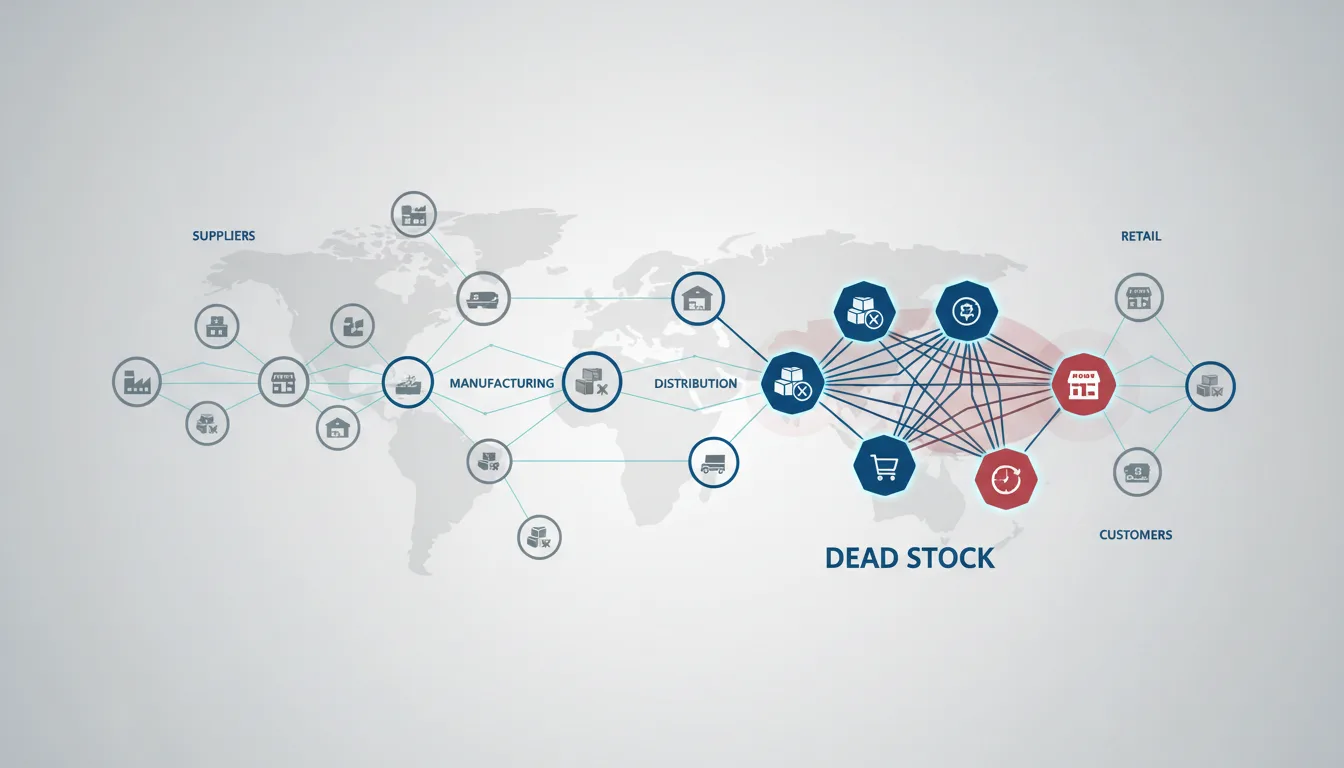
Dead Stock in Inventory Management
Overview
Dead stock refers to inventory that is no longer sellable or usable, either because it has surpassed its expiration date, become obsolete, or has a permanent lack of demand. Understanding and managing dead stock is crucial for effective inventory management, as it ties up capital and valuable storage space, adversely affecting operational efficiency.
Etymology and Origins
The term "dead stock" has its roots in the broader field of inventory management. Though its precise origin is difficult to trace, it is believed to have emerged during the 1980s, following the need for clearer terminology relating to non-moving inventory in retail and logistics. The phrase highlights the stock's inability to contribute positively to a business's bottom line. As companies began prioritizing just-in-time methodologies, the acknowledgment of dead stock became vital in optimizing inventory levels and cash flow management. This has been thoroughly discussed in various studies such as this one.
Historical Development
Dead stock management has evolved significantly over the decades:
- 1980s: The introduction of Just-in-Time (JIT) manufacturing principles aimed at reducing overproduction and excess stock. Pioneers such as Taiichi Ohno at Toyota were instrumental in adopting these streamlined practices. Taiichi Ohno's contributions are detailed in his seminal book, The Toyota Production System: Beyond Large-Scale Production.
- 1990s: A technological revolution took place with the introduction of barcode technology, which enabled accurate tracking of stock levels and made it easier to identify dead stock. This era also saw the rise of Enterprise Resource Planning (ERP) systems, which helped in consolidating various business operations.
- 2000s: The emergence of sophisticated inventory management systems utilizing software solutions for enhanced data analysis and reporting. This period marked a shift toward automated solutions for inventory tracking.
Key publications, such as The Toyota Production System: Beyond Large-Scale Production by Taiichi Ohno, laid foundational knowledge influencing modern inventory management practices surrounding dead stock, as discussed in literature like this article.
Core Concepts
Understanding dead stock involves recognizing its typology:
- Expired Stock: Goods past their expiration dates, common in perishable industries like food and pharmaceuticals.
- Obsolete Stock: Items that are no longer in demand due to shifts in trends or consumer preferences.
- Overproduction Stock: Excessive inventory produced that exceeds market demand, often linked to inefficient forecasting techniques.
Effective inventory practices, including cycle counting, can help promptly identify dead stock and facilitate timely removal, thereby improving overall inventory health.
Industry Applications
Various sectors face challenges from dead stock:
- Retail: Slow-moving items can impact cash flow and limit space for new products. Retailers often utilize discounting strategies or bundled sales to clear dead stock effectively.
- Pharmaceuticals: Expired inventory can lead to severe financial repercussions and safety hazards, prompting stringent stock rotation processes and compliance with regulations 3.
Benefits and Advantages
Addressing dead stock effectively can lead to numerous benefits:
- Increased Cash Flow: By selling or properly disposing of dead stock, companies can free up capital for reinvestment.
- Improved Warehouse Efficiency: Streamlining inventory allows for better space utilization and effective stock rotation.
- Enhanced Customer Satisfaction: Maintaining relevance and demand fulfillment supports customer retention and loyalty 4.
Challenges and Limitations
Dead stock presents challenges for businesses, including:
- Space Utilization: Unsold items occupy valuable storage that could be utilized for more profitable products.
- Financial Implications: Holding onto dead stock ties up capital that could be reallocated, leading to increased holding costs.
Strategies to Address Dead Stock:
- Regular Audits: Conducting systematic inventory audits can identify dead stock early. Resources, such as the Stock Replenishment Guide, provide frameworks for optimizing inventory management practices.
- Data Analytics: Utilizing advanced data analytics to forecast trends and adjust purchasing strategies significantly mitigates the risk of accumulating dead stock, as noted in studies such as this.
Technology and Tools
Modern inventory management solutions, including visual inventory management systems, have emerged to help businesses track stock efficiently. By enhancing visibility into sales trends, these technologies assist in informing more effective purchasing decisions. The role of technology in improving inventory management practices has been detailed in this study.
Best Practices
Implementing best practices effectively tackles dead stock issues, such as:
- Establishing Minimum Order Quantities: Helps maintain inventory levels aligned with real demand.
- Utilizing Automated Tools: Automation within procurement and inventory can minimize human error and heighten responsiveness to stock management needs 7.
Future Trends
The future of dead stock management may increasingly rely on advanced technologies like AI and machine learning. Predictive analytics can help forecast inventory needs more accurately, thereby preventing dead stock accumulation. Furthermore, blockchain technology may enhance traceability in supply chains 8.
Conclusion
Dead stock remains a significant concern for businesses across industries. By understanding its implications and implementing proactive management strategies, companies can mitigate risk, promote more efficient inventory practices, and enhance operational efficiency, thereby improving their bottom lines.
Sources
- Visual Inventory System
- Stock Replenishment Guide
- Cycle Counting Guide
- Visual Warehouse Layout
- The Concept of Dead Stock Management
- Taiichi Ohno's Influence on Inventory Management
- Challenges in Pharmaceutical Inventory Management
- Inventory Management Strategies for Retail
- Disruptive Innovation in Supply Chain
- The Role of Technology in Inventory Management
- AI Applications in Supply Chain Management
- Blockchain Technology in Supply Chain