Dark Store: A Comprehensive Overview
A dark store is a retail outlet that caters exclusively to online orders and is not open to the general public, enhancing logistics efficiency in e-commerce.
Updated
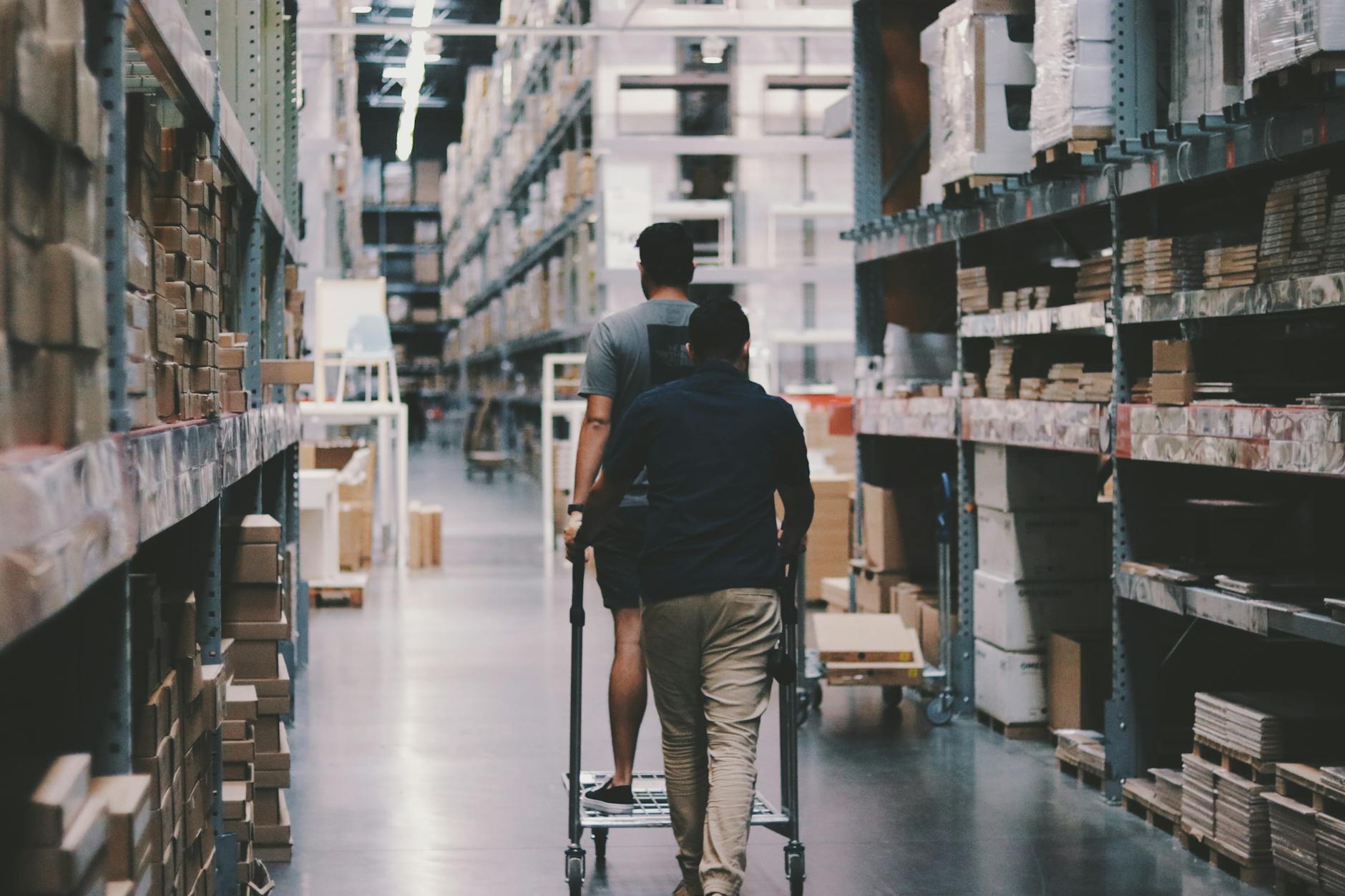
Dark Store: A Comprehensive Overview
Overview
A dark store is a retail outlet that serves exclusively as a fulfillment center for online orders, without allowing public access. This model has gained prominence with the rise of e-commerce and the increasing demand for rapid delivery services. Dark stores are designed to streamline picking and packing processes, allowing businesses to fulfill online orders more efficiently. As online shopping continues to grow, leveraging dark store strategies can significantly enhance operational efficiencies and customer satisfaction.
Etymology and Origins
The term dark store likely originated from the need to separate traditional retail locations from those serving exclusively online shoppers. The exact first documented usage of the term is uncertain, but it gained traction in the retail industry in the early 2010s. Originally, the term highlighted the operational characteristics of these facilities, typically located in less-trafficked areas to avoid public interaction and optimize distribution functionalities. The concept of using retail spaces for fulfillment began to emerge as more retailers recognized the need to adapt to changing consumer habits towards online shopping, notably influenced by giants like Amazon. According to retail experts, dark stores can utilize existing infrastructure more effectively, reducing overhead expenses compared to traditional brick-and-mortar operations. This strategic adaptation has evolved the terminology to signify not just a physical space but an integral element of logistics and supply chain management in e-commerce.
Historical Context
The notion of dark stores is rooted in the evolution of logistics practices dating back to the post-World War II era, particularly in how distribution evolved with changing consumer demands. In the context of shifting shopping behaviors, the term reflects a broader shift from in-person shopping to online retailing.
Historical Development
The emergence of dark stores can be traced back to the early 2000s when companies like Amazon began refining their logistics and fulfillment strategies. In 2013, the rapid growth of e-commerce led several retail giants to explore alternatives like dark stores, especially as competition intensified for speedier delivery times. Noteworthy developments include:
- 2000s: Early adopters like Amazon begin optimizing fulfillment operations by leveraging technology and innovative logistics strategies.
- 2013: The emergence of dedicated fulfillment centers promotes the concept of dark stores as distinctive entities capable of servicing online demand efficiently.
- 2019: Major retailers such as Walmart and Aldi respond to consumer demand for faster deliveries by experimenting with dark store formats on a larger scale, adjusting logistics networks to accommodate this model.
Several studies and trends can be linked to the rise of dark stores, reflecting changes in consumer behavior and expectations around delivery times. The integration of advanced technology in warehousing and logistics has been a key factor, marking the transition from manual systems to automated and AI-driven processes. Major industry events that shaped adoption include the introduction of ISO standards related to logistics and supply chain management, as well as significant advancements in warehouse management systems (WMS).
Core Concepts
Dark stores are fundamentally designed for efficiency in order fulfillment. They typically feature:
- Optimized layouts specifically arranged for quick picking and packing. This design improves operational efficiency, as products are strategically placed to minimize travel time for employees picking items for orders. Refer to the Visual Warehouse Layout for examples.
- Inventory management systems that track stock levels and orders in real-time, ensuring that businesses can respond quickly to customer demands. A robust Visual Inventory Management System can enhance these operations.
- Last-mile delivery capabilities, allowing firms to efficiently reach consumers by minimizing transit times from the store to the customer's location.
Industry Applications
Dark stores have significant applications across various industries:
- Grocery Chains: Many grocery retailers have implemented dark stores to accommodate online orders, improving delivery speeds and reducing in-store traffic. For instance, the UK’s Tesco has leveraged dark stores to enhance its online grocery sales, demonstrating the model's effectiveness.
- Fashion Retailers: Brands like Zara utilize dark stores for quick replenishment, showcasing the effectiveness of this model in enhancing customer experience and speed to market.
- Pharmaceuticals: Companies have utilized dark stores to centralize prescription deliveries, ensuring efficiency and speed in logistics operations, especially critical in health-related services.
Benefits and Advantages
The advantages of adopting a dark store model include:
- Increased Efficiency: Streamlined operations lead to faster picking and packing times, with some retailers reporting improvements of up to 30% in order fulfillment speed.
- Cost Reduction: Lower overhead since these stores do not cater to walk-in customers, thus reducing staffing and utilities associated with traditional retail.
- Enhanced Customer Experience: Improved fulfillment speeds can drive customer satisfaction and repeat business, essential in the competitive e-commerce landscape.
According to research, the dark store model can lead to significant improvements in order accuracy and fulfillment speed, making it an attractive option for retailers looking to enhance their logistics operations. Studies indicate that retailers employing dark store strategies have achieved a 30-40% boost in operational efficiency due to optimized processes and better inventory management.
Challenges and Limitations
Despite the benefits, there are challenges to consider:
- Initial Setup Costs: Establishing dark stores may require substantial investment in infrastructure and technology. Estimates suggest startup costs can range from $100,000 to over $500,000 depending on technological demands and location.
- Inventory Management: Without proper systems in place, businesses might face difficulties managing inventory efficiently, which can lead to lost sales or excess stock.
- Space Utilization: Dark stores must optimize space effectively to ensure maximum throughput, which can be a challenge in densely populated urban environments.
Best Practices
To successfully implement a dark store model, companies should consider:
- Conducting thorough stock replenishment strategies to avoid stockouts, leveraging just-in-time (JIT) practices.
- Utilizing modern warehouse management systems to streamline operations and enable data-driven decision-making.
- Investing in technology that enhances real-time stock visibility and helps in managing customer expectations, ensuring that inventory levels are accurately reflected across all sales channels.
Technology and Tools
The integration of technology is vital in the operation of dark stores:
- Automated Systems: Robotics and conveyor systems can enhance the efficiency of the picking process, with examples from leading logistics companies reducing labor costs significantly by automating repetitive tasks.
- Inventory Management Software: Tools like SkuSavvy’s Order Management System can support the efficient management of stock and facilitate quick order processing. Such systems also analyze customer preferences to optimize inventory.
- Mobile Solutions: Mobile applications can aid workers in tracking tasks in real-time, simplifying operations within dark stores and ensuring that logistics workflows are not disrupted.
Future Trends
As the e-commerce landscape evolves, dark stores are likely to become more sophisticated. Future innovations may include:
- Greater integration of AI and data analytics to optimize inventory management, enhancing demand forecasting capabilities.
- Expansion into smaller urban areas to facilitate faster deliveries while reducing logistics costs.
- Enhanced customer interfaces through mobile apps and real-time tracking services, improving overall engagement and transparency between retailers and consumers.
Related Concepts
The dark store model intersects with various logistics concepts, including:
- Last-Mile Delivery: Understanding how dark stores impact delivery logistics can enhance overall efficiency in the supply chain. Companies are increasingly focusing on retrofitting existing infrastructure to serve as dark stores, streamlining last-mile delivery capabilities.
- Omni-Channel Retailing: The relationship between dark stores and omni-channel strategies is critical for retailers aiming to transition seamlessly between online and offline sales, providing a cohesive customer experience across platforms.
In conclusion, dark stores represent a transformative approach to fulfilling retail demands in a digital age, placing emphasis on speed, efficiency, and customer satisfaction. As companies continue to explore this model, adherence to best practices and technological innovations will be essential for success.