Customer Experience Management in Logistics
Understanding Customer Experience Management (CEM) within logistics is critical for enhancing satisfaction and operational efficiency.
Updated
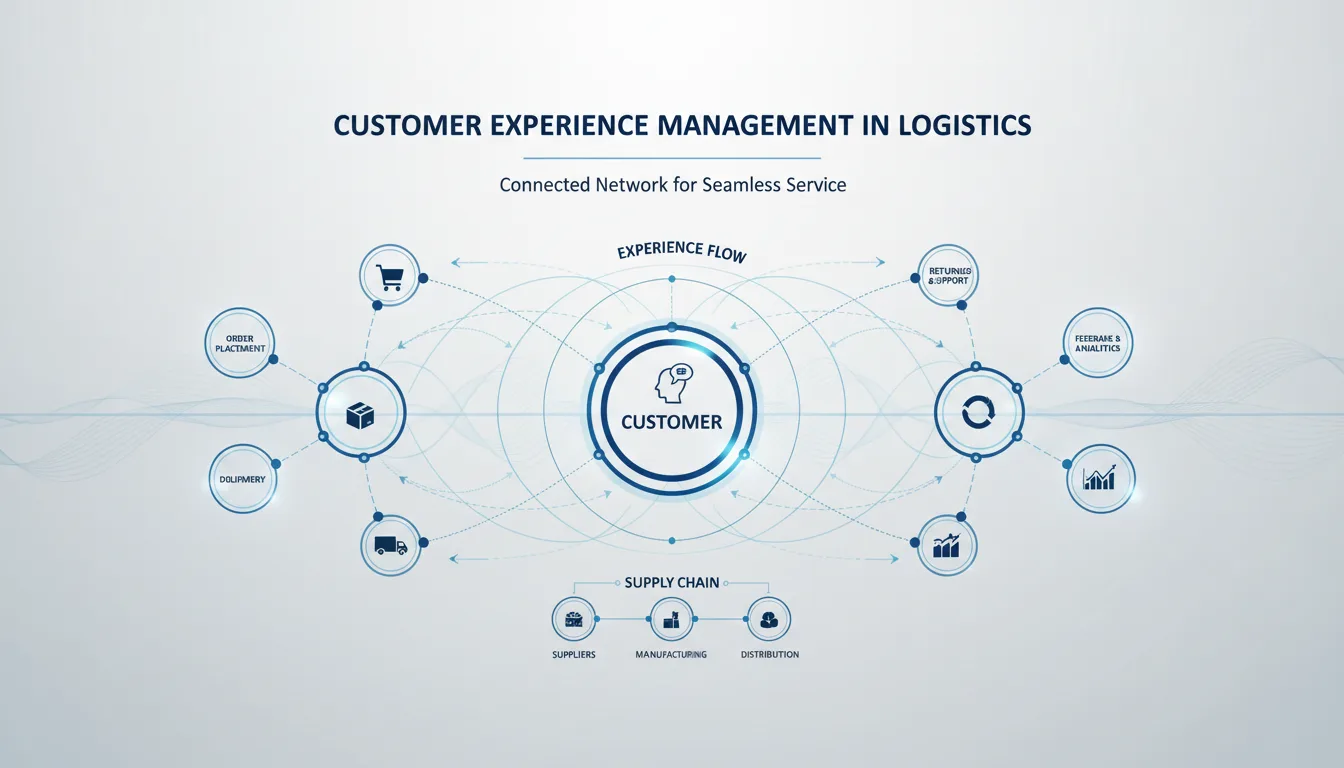
Customer Experience Management in Logistics
Overview
Customer Experience Management (CEM) refers to the strategies and processes employed to monitor, control, and enhance the customer experience throughout the stages of interaction with a business. In logistics, CEM is pivotal because it directly affects customer satisfaction, loyalty, and the overall operational efficiency of supply chains. By focusing on the customer's perspective, logistics companies can optimize service delivery and shape a positive perception of brand value in a competitive market. This approach has become increasingly important as consumer expectations continue to rise in the age of e-commerce and global supply chain complexities. Effective CEM ensures that every touchpoint, from order placement to final delivery and post-delivery support, contributes positively to the customer's perception, transforming logistical operations from a cost center into a strategic differentiator.
Etymology and Origins
The term Customer Experience Management (CEM) first gained prominence in the early 1990s as businesses began to recognize the need for structured management of customer interactions beyond mere transactional service. The linguistic roots of the term combine "customer"—derived from the Latin word "custos," meaning guardian or protector—and "experience," which comes from the Latin "experientia," meaning knowledge or skill obtained through practice or observation. Early academic work by authors like Bernd H. Schmitt in the late 1990s further solidified the concept, emphasizing the holistic nature of customer interactions.
CEM evolved from a shift in business philosophy, moving from a predominantly product-centric or sales-driven approach to a more customer-centric model. This transition was influenced by the growing competition across industries and the understanding that retaining existing customers is often more cost-effective than acquiring new ones. Key milestones in this evolution include the rise of CRM (Customer Relationship Management) systems in the late 1990s, which laid the groundwork by enabling organizations to collect, analyze, and act upon customer data more effectively, paving the way for personalized experiences.
Historical Development
The historical development of CEM in logistics can be traced through several key phases, reflecting broader technological advancements and shifts in consumer expectations:
- Pre-1990s: Efficiency and Cost Focus: Prior to the formalization of CEM, logistics was primarily viewed as a functional activity focused on cost reduction and operational efficiency. Customer service was often reactive, dealing with issues as they arose, rather than proactively managing the entire customer journey. Key advancements during this era included the development of early inventory management systems and basic freight tracking.
- Early 1990s: Recognition of Service as a Differentiator: The concept of customer service began to expand beyond problem resolution to encompass the entire interaction. Companies started recognizing that managing the experience could be a competitive advantage. This period saw the initial discussions around CEM as a strategic imperative, driven by academic research and business consultants.
- Late 1990s - Early 2000s: The Rise of CRM and E-commerce: The proliferation of CRM systems marked a significant shift, integrating technology to manage customer data. Concurrently, the advent of e-commerce, spearheaded by companies like Amazon, revolutionized customer expectations for logistics. Customers began demanding real-time tracking, faster delivery, and easy returns, fundamentally changing the role of logistics from a back-office function to a front-line customer interaction point.
- 2000s - 2010s: Data, Analytics, and Omnichannel Engagement: As digital interactions grew, so did the data generated. Companies started utilizing big data and analytics to anticipate customer needs and preferences, allowing for proactive customer service strategies. The emphasis on omnichannel engagement became critical, ensuring a consistent experience across various touchpoints like web, mobile, and call centers. This era also saw the integration of sophisticated order management systems that could handle complex fulfillment scenarios.
- 2010s - Present Day: AI, IoT, and Hyper-personalization: The introduction of AI, machine learning, and the Internet of Things (IoT) further personalizes and optimizes the customer experience. Organizations are leveraging data from multiple touchpoints to create seamless, integrated experiences. For example, AI-driven route optimization enhances delivery efficiency, while IoT sensors provide real-time condition monitoring for sensitive goods. The development of mobile apps and integrated supply chain solutions, such as mobile WMS and mobile order fulfillment software, showcases this evolution, enabling real-time communication and tracking between logistics providers and customers, offering unprecedented visibility into the fulfillment process.
Key Components of CEM in Logistics
Effective CEM in logistics is built upon several foundational pillars:
- Visibility and Transparency: Providing customers with real-time updates on their order status, tracking information, and estimated delivery times reduces anxiety and builds trust. Tools like advanced shipping and fulfillment software with integrated tracking capabilities are crucial here.
- Proactive Communication: Informing customers about potential delays or issues before they ask. This includes automated notifications for dispatch, in-transit updates, and delivery confirmations, often managed through robust order management systems.
- Speed and Reliability: Meeting or exceeding promised delivery times and ensuring order accuracy are fundamental. Efficient pick, pack, and ship software and optimized warehouse operations, such as those enabled by a visual inventory management system, directly contribute to reliability.
- Flexibility and Agility: The ability to accommodate changes like delivery address modifications, order cancellations, or returns smoothly. This requires agile operational processes and systems that support order editing and cancellation workflows.
- Personalization: Tailoring communication, delivery options, and even packaging to individual customer preferences. This could include offering various delivery speeds, eco-friendly packaging, or preferred delivery windows.
- Easy Returns and Post-Delivery Support: A hassle-free return process and readily available customer support for post-delivery queries significantly impact overall customer perception.
Benefits of Strong CEM in Logistics
Investing in CEM yields significant advantages for logistics providers and their clients:
- Increased Customer Loyalty and Retention: A positive experience fosters trust and encourages repeat business, reducing churn and increasing customer lifetime value.
- Enhanced Brand Reputation: Companies known for excellent service gain a competitive edge, leading to positive word-of-mouth and stronger market positioning.
- Reduced Operational Costs: Proactive communication can decrease inbound customer service inquiries. Additionally, improved accuracy in fulfillment and reduced errors (aided by systems like barcode scanning and precise warehouse layouts) lead to fewer returns and re-deliveries, saving costs.
- Competitive Differentiation: In a crowded market, superior customer experience can be a more powerful differentiator than price alone, especially for complex Shopify Plus merchants or enterprise clients.
- Improved Feedback Loops for Continuous Improvement: Structured CEM programs facilitate the collection of valuable feedback, which can be directly used to refine processes, improve service offerings, and even influence product development.
Challenges in Implementing CEM in Logistics
Despite its benefits, implementing CEM in logistics presents unique challenges:
- Data Silos and Integration Issues: Logistics operations often involve multiple disparate systems (WMS, TMS, OMS, CRM) that may not communicate effectively, leading to fragmented customer data and inconsistent experiences. Achieving a unified view of inventory and orders across systems is critical.
- Complexity of Multi-Party Supply Chains: Modern supply chains involve numerous stakeholders—manufacturers, carriers, 3PLs, retailers—making it difficult to ensure consistent service levels and data flow across all touchpoints.
- Last-Mile Delivery Challenges: The final leg of delivery is often the most critical and challenging, impacted by traffic, weather, customer availability, and specific delivery instructions, directly affecting customer satisfaction.
- Balancing Cost Efficiency with Service Quality: There's a constant tension between optimizing routes and delivery schedules for cost-efficiency and providing premium services like same-day delivery or flexible time slots.
- Legacy Systems and Resistance to Change: Many logistics firms operate with older systems that are not designed for real-time data exchange or customer-centric processes, and adopting new technologies requires significant investment and change management.
Measuring CEM Success
To gauge the effectiveness of CEM initiatives, logistics companies utilize several key performance indicators (KPIs):
- Net Promoter Score (NPS): Measures customer loyalty and willingness to recommend a service.
- Customer Satisfaction (CSAT): Typically gathered through post-interaction surveys, measuring satisfaction with specific touchpoints or overall service.
- Customer Effort Score (CES): Assesses how much effort a customer had to expend to get their request fulfilled.
- On-Time Delivery (OTD): A crucial operational metric directly impacting customer perception of reliability.
- Order Accuracy: Measures the percentage of orders delivered without errors in items, quantity, or condition.
- Return Rates: High return rates often indicate issues with product quality, order accuracy, or delivery experience, providing valuable feedback.
- Customer Lifetime Value (CLV): Reflects the long-term profitability of a customer relationship, often enhanced by strong CEM.
Best Practices in CEM for Logistics
To effectively implement CEM within logistics, companies can adopt several best practices:
- Personalization: Utilize data analytics to tailor communications, ensuring customers receive relevant information and services that meet their individual needs, including preferred delivery options or specific handling instructions.
- Omnichannel Support: Ensure a seamless experience across various channels—online, mobile apps, call centers, and even physical pickup points—so customers can engage with your brand on their terms. This requires integrated systems that provide a 360-degree view of the customer for all service agents.
- Feedback Loops: Establish robust systems to collect customer feedback regularly (e.g., surveys, social media monitoring, direct reviews) and implement changes based on insights gathered to continually improve CEM strategies. This fosters a culture of continuous improvement.
- Training and Empowering Employees: Equip frontline staff, from customer service representatives to delivery drivers and warehouse employees, with the tools, knowledge, and authority they need to provide exceptional service and resolve customer issues effectively and autonomously. This includes training on new technologies and customer empathy.
- Leveraging Technology for Visibility and Automation: Implement advanced logistics technologies such as Visual Warehouse Layouts, Mobile WMS, Order Management Systems, and predictive analytics to automate routine tasks, provide real-time tracking, and anticipate potential issues before they impact the customer. Automation through workflows can streamline many customer touchpoints.
Practical Example
A practical example of effective CEM in logistics can be observed in the operations of DHL Supply Chain. The company implemented a sophisticated customer feedback system that focuses on collecting real-time data to measure customer satisfaction at various touchpoints, including pickup, transit, and delivery. By analyzing this data, DHL was able to identify bottlenecks, such as specific regional delivery issues or common customer service queries, and innovate their service processes. For instance, they might adjust routing algorithms based on feedback regarding delivery windows or enhance training for drivers in areas with lower CSAT scores. This customer-centric approach, combined with advanced visibility tools, resulted in a substantial increase in customer satisfaction ratings and loyalty, underscoring the importance of integrating customer feedback into continuous improvement initiatives.
In conclusion, honing CEM in logistics is not merely an operational task; it is a strategic imperative that can significantly affect business outcomes. As consumer expectations continue to evolve, fueled by technological advancements and the convenience of e-commerce, logistics companies must prioritize customer experience as a key differentiator in their service offerings. Those that excel in CEM will build stronger customer relationships, foster loyalty, and ultimately achieve sustainable growth in a highly competitive market.
Sources
- Customer Relationship Management: A Strategic Perspective
- The Evolution of CRM Technology
- Personalization: The Future of Customer Experience
- Customer Relationship Management: A Strategic Perspective
- The Evolution of CRM Technology
- Personalization: The Future of Customer Experience
- Customer Experience: A Supply Chain Strategic Differentiator
- The Emergence of Customer Experience Management: An Historical Analysis
- The Evolution of Customer Experience
- Visual Inventory Management System
- Real-time visibility: The key to customer satisfaction
- Order Management System
- Mobile Order Fulfillment Software
- Shipping & Fulfillment Software
- Pick, Pack, Ship Software
- Editing Orders Guide
- Order Cancellation Guide
- Shopify Plus
- Shopify Global Inventory
- Barcode Label Creator
- Visual Warehouse Layout
- Employees Guide
- Workflows Overview
- DHL Supply Chain achieves highest customer satisfaction score
- The Evolution of Supply Chain Management
- How data and analytics are transforming logistics
- Omnichannel customer experience: Creating consistent customer journeys
- The impact of AI and machine learning on logistics
- What is 360-degree customer view?
- Continuous Improvement (CI)