Continuous Optimization in Logistics
This article explores continuous optimization in logistics, its history, core concepts, benefits, and best practices, aimed at logistics professionals and students.
Updated
Overview
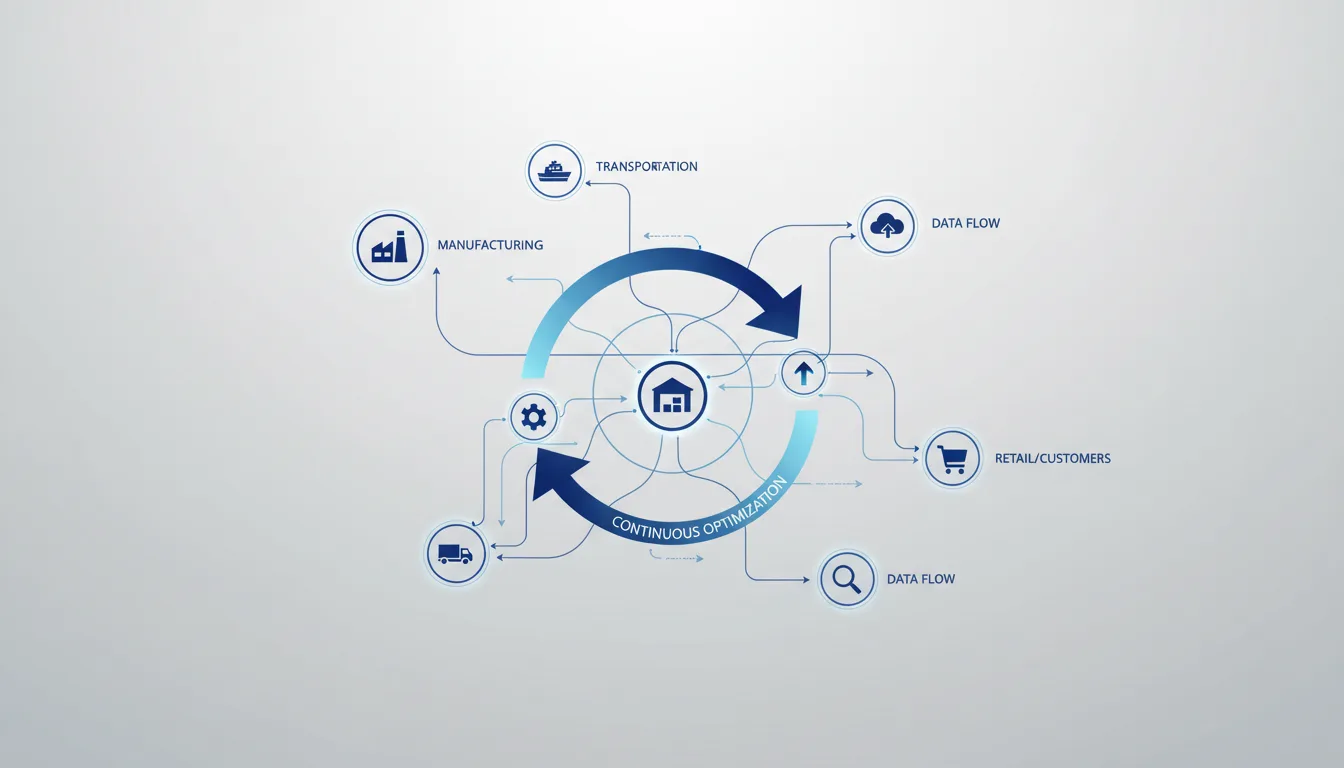
Continuous optimization in logistics refers to the ongoing process of improving logistical operations and processes to increase efficiency, reduce costs, and enhance service levels. It is crucial in supply chain management as it ensures operations adapt to changing demands, technology, and market conditions. Organizations leveraging continuous optimization can ensure that their systems are agile, data-driven, and responsive to shifts in consumer behavior and supply chain disruptions.
Etymology and Origins
The term "continuous optimization" originates from the field of operations research, first documented in publications in the 1950s with foundational work by mathematicians such as George Dantzig, who introduced linear programming methods in the 1940s. The linguistic roots can be traced to the combination of "continuous," indicating ongoing action, and "optimization," derived from the Latin "optimum," meaning best. This terminology has evolved over time as a response to the increasing complexity of supply chains. Early concepts of optimization in logistics can be traced back to mathematical programming techniques developed in the mid-20th century. The terminology reflects a shift from static optimization techniques to dynamic processes, emphasizing ongoing improvement rather than one-off solutions.
Historical Development
It is essential to understand the timeline of continuous optimization within logistics:
- 1980s: The rise of computerized inventory management systems, including basic optimization models that enhanced supply chain efficiency through techniques such as Just-In-Time (JIT) inventory management pioneered by Toyota in their production systems in the 1970s.
- 1990s: The introduction of supply chain management principles led to more holistic approaches to optimization based on real-time data and metrics. The publication of "The Balanced Scorecard" by Kaplan and Norton laid a framework for measuring performance beyond just financial metrics.
- 2000s: Advances in technology, such as the development of Enterprise Resource Planning (ERP) systems, facilitated integration among various business processes and introduced automated rate selection methods. During this decade, the ISO 9001 standards saw increased adoption, guiding organizations in quality management.
- 2010s: The adoption of big data analytics allowed organizations to leverage vast amounts of data to continuously refine their logistics operations. Seminal case studies, such as the implementation of machine learning at Amazon, demonstrated significant improvements in supply chain efficiency through predictive analytics.
Key Figures and Publications
Prominent figures, such as Peter Drucker, have influenced the thinking around optimization through their works in management and efficiency. Seminal publications like "Logistics Management and Strategy" by Alan Harrison and Remko van Hoek have shaped contemporary understanding, while texts such as "Operations Research: An Introduction" by Taha should also be noted for their contributions to the optimization field.
Core Concepts
Continuous optimization works on the premise that logistical processes are never complete; they require regular assessment and adjustment. Some core concepts include:
- Feedback Loops: Systems need to have mechanisms to gather data continuously, allowing for informed decisions.
- Performance Metrics: Utilizing key performance indicators (KPIs) helps organizations measure the success of their optimization efforts. Metrics for success include order accuracy, inventory turnover, and fulfillment speed. Data-driven decision-making is critical, supported by literature such as "Data Science for Business" by Foster Provost and Tom Fawcett.
- Agility: A focus on being responsive to changes, such as consumer demand shifts or disruptions in supply chains.
By employing these principles, organizations can implement practices like cross-docking and efficient stock replenishment strategies that contribute to continuous optimization.
Industry Applications
Continuous optimization applies across various sectors:
- Retail: Utilizing point-of-sale data to manage inventory and fulfillment operations dynamically.
- Manufacturing: Implementing lean principles to minimize waste and streamline production processes. Companies like Toyota exemplify these practices with their innovative supply chain solutions that emphasize minimal waste and maximum efficiency.
- Transport and Logistics: Employing route optimization algorithms to reduce transit times and costs, as seen in companies like UPS, which uses advanced analytics to determine the most efficient delivery pathways.
Benefits and Advantages
Organizations that implement continuous optimization can expect several benefits:
- Cost Reduction: Lower inventory holding costs, transportation, and labor costs due to increased efficiency.
- Enhanced Customer Satisfaction: Responsive systems that can meet consumer demands more swiftly foster better customer relationships.
- Increased Productivity: Streamlined processes reduce waste and improve throughput.
Challenges and Limitations
While beneficial, continuous optimization presents challenges, including:
- Data Overload: Organizations may struggle with the sheer volume of data generated and finding actionable insights. As noted by sources like McKinsey, companies should focus on the quality of data collection and analysis to harness the power of big data effectively.
- Initial Costs: The investment required for technology upgrades and training can be considerable. Organizations should focus on a strategic approach, taking incremental steps to optimize their systems effectively.
Best Practices
To successfully implement continuous optimization:
- Engage Stakeholders: Collaborate across departments to ensure insights and data are shared effectively.
- Invest in Technology: Utilize advanced tools such as a Mobile Warehouse Management System to streamline processes. Technologies like cloud-based management systems provide flexibility and scalability.
- Continuous Training: Foster a culture of learning where employees are encouraged to provide feedback and seek innovations.
Future Trends
Emerging trends include the increasing use of artificial intelligence and machine learning for predictive analytics in logistics optimization. These technologies promise unprecedented levels of accuracy, allowing companies to foresee demands and adjust accordingly in real-time, contributing further to efficient logistics management.
Related Concepts
Continuous optimization is closely related to concepts such as lean manufacturing and total quality management, both of which emphasize continual improvement to meet customer needs efficiently and effectively. Practices from Six Sigma and Agile methodologies are also beneficial in enhancing logistics efficiencies.
Sources
- Order Fulfillment Guide
- Automated Rate Selection
- Cross-Docking Guide
- Stock Replenishment Guide
- Mobile Warehouse Management System Overview
- The Use of Big Data in Supply Chain Management - A Literature Review
- How Amazon Uses Artificial Intelligence in Its Business
- Data Science for Business
- How to Leverage AI in Supply Chain Optimization