Contingency Planning in Logistics
Contingency planning is essential in logistics for mitigating risks and ensuring smooth operations during unexpected disruptions.
Updated
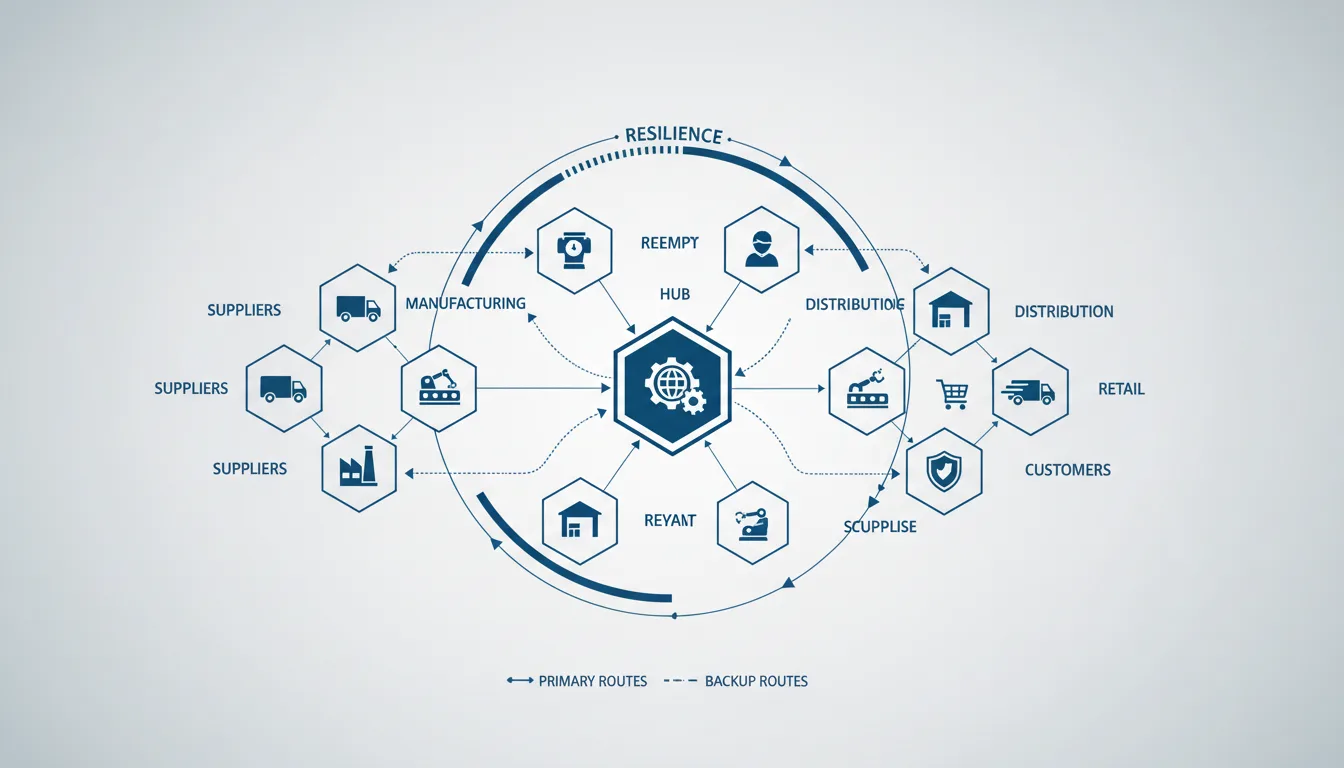
Contingency Planning in Logistics
Overview
Contingency planning refers to the process of preparing for potential emergencies or disruptions in logistics and supply chain management. The aim is to anticipate risks and devise strategies to mitigate their impact on operations. This proactive approach is crucial for minimizing delays, reducing costs, and maintaining customer satisfaction in the face of unforeseen events such as natural disasters, supply chain interruptions, or sudden changes in demand.
Etymology and Origins
The term "contingency" originates from the Latin word contingere, meaning "to touch or to happen by chance." Its usage in business contexts gained traction in the late 20th century as organizations recognized the importance of preparedness in risk management. The concept of contingency planning began to evolve, especially after significant events such as the 9/11 attacks and natural disasters that highlighted vulnerabilities in supply chains. Particularly, the Business Continuity Institute outlines the pivotal shift towards contingency frameworks during this period, driven largely by increasing uncertainty in global markets.
Historical Development
Contingency planning has its roots in military strategy, where plans were created for unexpected battlefield scenarios. In the 1980s and 1990s, businesses began adopting structured contingency frameworks. Key milestones include:
- 1985: The introduction of the ISO 9000 series set standards for quality management, indirectly influencing contingency planning protocols.
- 2001: The 9/11 attacks catalyzed organizations to improve their crisis management strategies, emphasizing the importance of robust contingency plans. Studies indicated that companies with effective contingency plans were significantly more resilient post-crisis (HBR).
- 2010s: The rise of technology in logistics, including real-time data and analytics, facilitated better contingency planning by allowing for dynamic adjustments based on evolving scenarios. Innovations such as supply chain visibility tools allowed companies to react swiftly to disruptions, as discussed in a report by Gartner.
Many academic publications began to surface during this period, further outlining best practices in contingency planning, such as "Business Continuity Planning: A Step-by-Step Guide" published by David M. D. Dumitru in 2011. Furthermore, the evolution of contingency planning from manual processes to integrated software solutions plays a critical role in contemporary logistics.
Core Concepts
Contingency planning in logistics encompasses several core principles, including:
- Risk Assessment: Identifying potential risks by evaluating both internal and external threats personalized to the organization’s unique operational landscape.
- Plan Development: Crafting plans that outline how the organization will respond to different scenarios, often utilizing decision matrices that assess impact and likelihood.
- Communication Protocols: Establishing clear lines of communication to ensure that all stakeholders are informed during crises, an insight supported by academic discussions on crisis communication.
- Testing and Training: Regular drills and training sessions to ensure personnel are well-prepared to implement contingency plans. The National Institute of Standards and Technology (NIST) emphasizes the necessity of routine testing for effectiveness.
Industry Applications
Various industries apply contingency planning to their logistics processes. For example:
- Retail: Retailers develop contingency plans to manage disruptions in supply, which may affect inventory and fulfillment processes, ensuring that customer expectations are still met. A notable illustration is Walmart’s response to the COVID-19 pandemic, where pre-existing plans allowed for rapid adaptation to supply chain disruptions.
- Manufacturing: Manufacturers often have contingency plans in place to switch suppliers quickly without affecting production timelines or quality, as detailed in the Order Management System resources by SkuSavvy.
Benefits and Advantages
The advantages of effective contingency planning include:
- Improved Resilience: Organizations with contingency plans are able to recover more quickly from disruptions. Studies have shown that companies in sectors like telecommunications benefit significantly from contingency planning, reducing downtime (Forbes).
- Cost Efficiency: Proactive risk management can lead to reduced expenses associated with sudden changes and emergencies. A case study will illustrate this is Boeing, which showcases how systematic contingency planning allowed it to mitigate potential financial losses from supply chain delays.
- Safeguarded Reputation: Maintaining operations during crises helps preserve customer trust and loyalty, further emphasized in a recent Deloitte study on brand resilience.
Challenges and Limitations
Despite its benefits, contingency planning faces several challenges:
- Resource Intensive: Developing comprehensive contingency plans requires significant investment in time and resources, with a considerable percentage of companies reporting this as a key barrier (McKinsey).
- Constantly Evolving Risks: The dynamic nature of global business can make it challenging to anticipate every potential risk. Recent geopolitical tensions have underscored the importance of agility in risk assessment and response.
- Employee Training: Ensuring all employees are trained and familiar with the plans can be daunting and requires ongoing commitment. Simulations and gamified training approaches have been suggested to enhance employee familiarity with contingency protocols (The Training Industry).
Best Practices
To ensure effective contingency planning, organizations should:
- Conduct thorough risk assessments regularly to keep pace with changing environments.
- Develop clear and actionable contingency plans that can be adjusted as necessary. The Gartner framework provides valuable insights into adaptive planning.
- Foster communication and teamwork across departments, including stakeholder engagement initiatives that align with business objectives.
- Engage in continuous training and rehearsal for improved preparedness, utilizing platforms that facilitate collaborative learning experiences.
Future Trends
As global supply chains grow more complex, the future of contingency planning in logistics is likely to involve:
- Greater integration of technology, such as predictive analytics and AI, to forecast potential disruptions. A report by McKinsey notes that organizations exploiting AI in logistics planning see significant performance improvements.
- An increase in cross-industry collaboration to share risk management strategies and resources, fostering a culture of collective responsibility.
- Enhanced focus on sustainability in contingency planning to address environmental risks and compliance with evolving regulations. The Global Reporting Initiative emphasizes transparency and accountability in risk reporting, guiding firms toward sustainable practices.
Related Concepts
Contingency planning is closely linked to several other concepts in logistics:
- Risk Management: The broader discipline that encompasses contingency planning.
- Business Continuity Planning: A strategic approach that includes contingency planning as a key component to ensure operational continuity during emergencies. Resources from the Business Continuity Institute provide extensive guidance on best practices.
By embedding contingency planning into logistical frameworks, organizations can better position themselves to navigate uncertainties and maintain operational integrity.