Concepts of Sustainability in Logistics
This article discusses the importance and implementation of sustainability in logistics, covering its origins, core concepts, applications, and future trends.
Updated
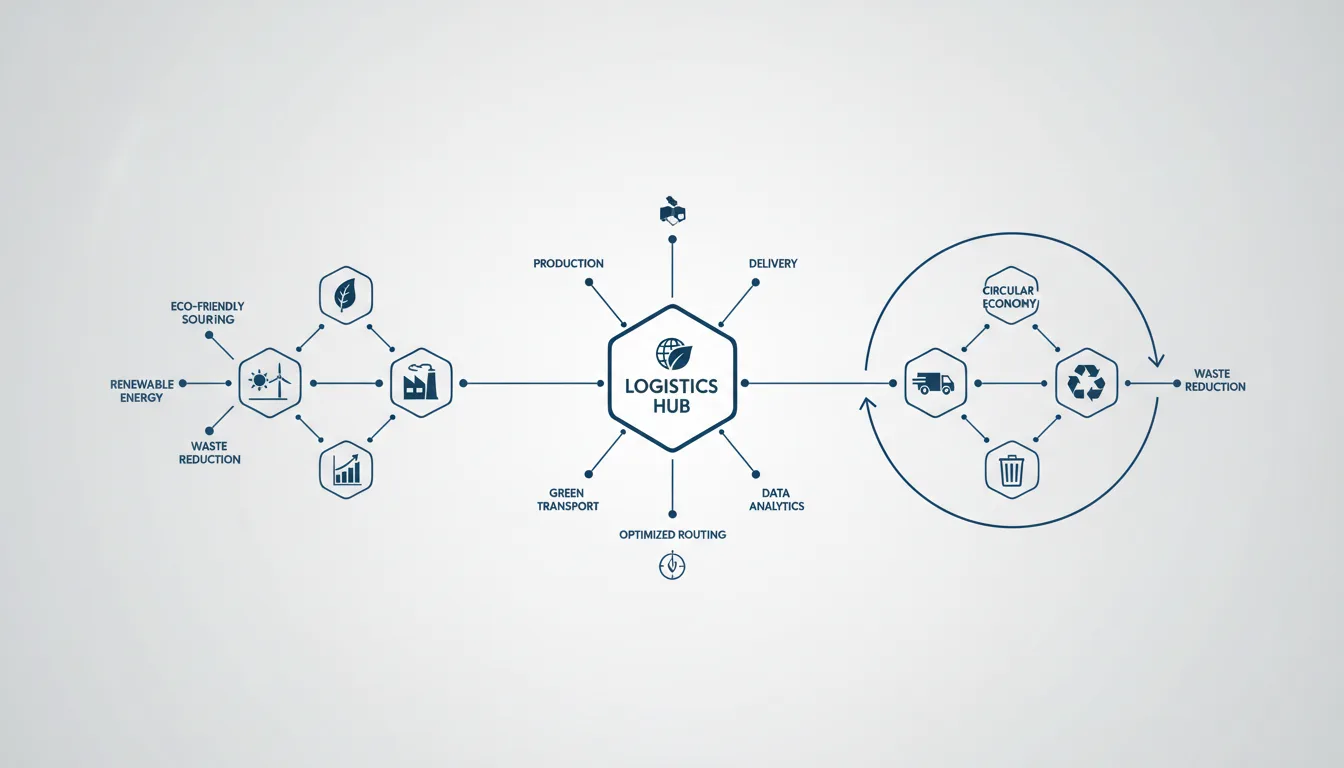
Concepts of Sustainability in Logistics
Overview
Sustainability in logistics refers to the implementation of practices that reduce the negative impacts of operations on the environment while promoting resource efficiency. As global concerns regarding climate change and resource depletion grow, logistics companies are increasingly adopting sustainable methods across their supply chains to enhance their corporate social responsibility. By doing so, they not only comply with regulatory standards but also improve their operational efficiency and customer satisfaction. Notably, studies indicate that sustainable logistics practices can reduce operational costs by up to 15%.
Etymology and Origins
The term sustainability derives from the Latin word sustinere, meaning “to hold up” or “to support.” The concept emerged prominently in environmental discourse in the early 1980s, particularly with the publication of the Brundtland Report in 1987, which defined sustainable development as meeting the needs of the present without compromising the ability of future generations to meet their own needs. The roots of sustainability can be traced back to the environmental movements of the 1960s and 1970s, which emphasized the importance of ecological balance. In logistics, sustainability has evolved to encompass efficient transport, green warehousing, and sustainable sourcing practices, reshaping operational priorities and practices.
Historical Development
The focus on sustainability in logistics grew significantly in the 1990s and 2000s, sparked by increasing awareness of environmental issues:
- 1990s: Companies began exploring eco-efficiency in logistics processes, driven by public pressure and regulatory changes, such as the European Union's Green Paper on the Urban Environment.
- 2000: The ISO 14001 standard for environmental management systems (EMS) was introduced, encouraging organizations to minimize harmful effects on the environment. Notably, this standard is globally recognized, with over 300,000 certifications as of 2021.
- 2005: The European Union started implementing regulations aimed at reducing emissions in the logistics sector, formalizing the commitment towards greener practices.
- 2010s: The adoption of technology enabled improvements in route planning, leading to reduced fuel consumption and waste. Innovations such as green logistics and reverse logistics emerged as critical areas of focus, facilitated by the rise of enterprise resource planning (ERP) systems that integrated sustainability metrics.
Significant milestones in technology evolution include:
- Manual to Computerized Systems: Transition from paper-based logistics to computerized systems in the 1980s and 90s, improving tracking and efficiency.
- Automated Systems: The late 2000s saw the advent of automated warehouse systems, enhancing speed and accuracy.
- AI Integration: Presently, artificial intelligence is being utilized for predictive analytics in logistics, assisting companies in optimizing routes and inventory management, showcasing the ongoing evolution of the field.
Core Concepts
Sustainability in logistics can be understood through several core principles:
- Resource Efficiency: Optimizing the use of materials and energy throughout the supply chain, utilizing practices such as lean management.
- Green Transportation: Utilizing eco-friendly transport options to reduce carbon footprints, such as using electric vehicles or optimizing routes for fuel efficiency. Research shows companies that adopt green transportation experience enhanced brand perception.
- Waste Reduction: Minimizing waste through effective inventory management and recycling practices.
- Supplier Collaboration: Engaging suppliers in sustainability initiatives to enhance the overall efficiency of the supply chain, promoting transparency and trust.
Industry Applications
Various industries have successfully implemented sustainable practices in logistics:
- Retail: Companies like Walmart have pioneered sustainable packaging and green sourcing initiatives, impacting their entire supply chain and leading to a reported 20% reduction in greenhouse gas emissions.
- Automotive: Manufacturers are focusing on green logistics by using reusable containers and optimizing logistics networks to reduce emissions. For instance, Ford has implemented sustainability programs that led to a 50% reduction in energy consumption per vehicle produced.
- Food & Beverage: Organizations are moving towards local sourcing to minimize transportation emissions and ensure product freshness, as illustrated by companies like Coca-Cola focusing on local bottling.
Benefits and Advantages
Adopting sustainable practices in logistics comes with numerous advantages:
- Cost Savings: Improved efficiency often leads to reduced operational costs, such as lower fuel and material expenses. A study by McKinsey highlights up to 30% potential savings from sustainable logistics innovations.
- Brand Loyalty: Companies recognized for their sustainability efforts tend to build stronger consumer trust and loyalty.
- Regulatory Compliance: Staying ahead of changing regulations helps businesses avoid fines and improve their market position.
Challenges and Limitations
Despite the benefits, there are several challenges to implementing sustainability in logistics:
- Initial Costs: The transition to sustainable technologies and practices may require significant upfront investment, making it difficult for smaller firms to adapt.
- Complexity of Supply Chains: Global supply chains can make it difficult to ensure all partners uphold sustainability standards, resembling the complexities faced in collaborative relationships across the supply chain.
- Balancing Cost and Sustainability: Companies may struggle to find the right balance between maintaining low costs and investing in sustainable practices.
Best Practices
To effectively incorporate sustainability in logistics, companies can:
- Implement inventory management solutions that promote waste reduction and stock optimization. For instance, effective inventory management systems can reduce excess stock by up to 40%.
- Train employees on sustainability principles and encourage a culture of environmental responsibility.
- Regularly assess sustainability initiatives and communicate progress to stakeholders, utilizing frameworks such as the Global Reporting Initiative (GRI).
Future Trends
Looking forward, sustainability in logistics is set to evolve further, with trends including:
- Increased Automation: Use of technology to further optimize logistics processes, reducing energy use and emissions while increasing productivity.
- Enhanced Transparency: Consumers increasingly demand visibility into supply chains, prompting companies to disclose sustainability practices, a trend echoed in the rise of blockchain applications in logistics.
- Circular Supply Chains: A shift towards circular economy models, where products are reused and recycled, will significantly influence logistics strategies, reducing waste and promoting sustainability.
Related Concepts
Sustainability in logistics is interconnected with several other logistics concepts, including supply chain management, green supply chain management, and ethical sourcing. Each of these areas contributes to the overarching goal of reducing environmental impacts while maintaining economic viability.
In conclusion, sustainability in logistics is not just a trend but a necessity for companies seeking to enhance their operational efficiency and societal responsibility. The movement towards sustainable practices within the logistics sector represents a vital step in addressing environmental challenges while promoting a more responsible marketplace.
Sources
- Mobile WMS Overview
- Order Fulfillment Guide
- Stock Replenishment Guide
- Cross-Docking Guide
- Visual Inventory System
- 8 Enterprise Fulfillment Best Practices for Shopify Plus Merchants
- Innovations in Sustainable Logistics
- ISO 14001 Certifications
- Sustainable Logistics Practices
- Collaborative Relationships in Supply Chain
- Sustainable Logistics Practices