Compliance Management in Logistics
This article discusses compliance management in logistics, covering its definition, history, core concepts, applications, challenges, and best practices.
Updated
Compliance Management in Logistics
Overview
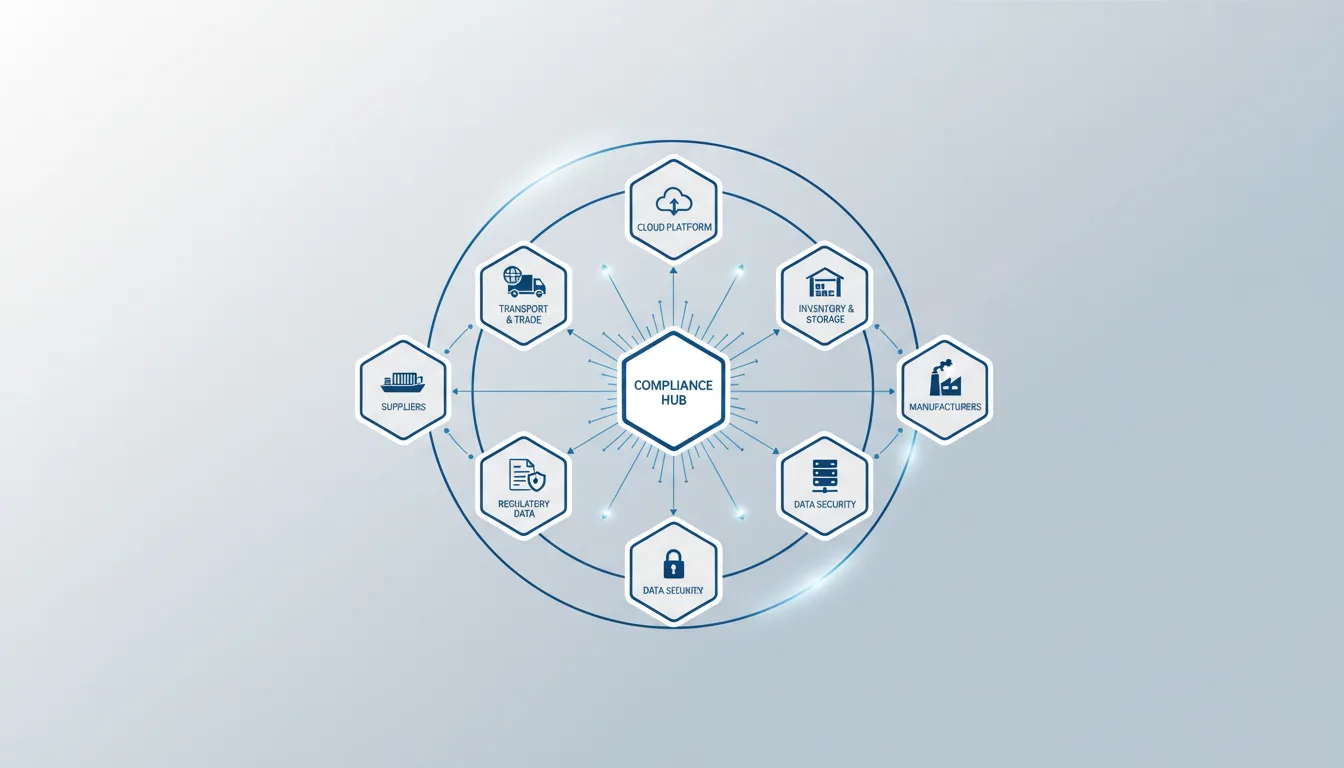
Compliance management in logistics refers to the framework and processes through which organizations ensure adherence to regulatory standards, internal policies, and industry best practices within the supply chain. This includes compliance with laws related to transportation, international trade, safety standards, and environmental regulations. Effective compliance management is crucial for mitigating risks, avoiding legal penalties, and maintaining operational integrity, especially in an increasingly globalized and complex supply chain environment.
Etymology and Origins
The term 'compliance' originates from the Latin verb complere, meaning 'to fill up' or 'to fulfill'. Its past participle, completus, gave rise to the Old French compli and eventually to the English 'comply' [6]. The noun form 'compliance' first appeared in English in the mid-17th century to describe the 'act of complying' or 'disposition to yield' [7].
The concept of business compliance gained prominence in the late 19th and early 20th centuries, driven by the emergence of antitrust laws and consumer protection regulations [8]. However, the formalization of 'compliance management' as a distinct corporate function began in the post-World War II era, particularly within the financial sector, following new banking regulations [9].
Its application specifically to logistics and supply chain processes evolved significantly with the expansion of global trade and the subsequent proliferation of specialized international transport regulations, customs duties, and safety protocols. This necessitated a nuanced approach to ensure goods moved across borders and through various modes of transport legally and efficiently.
Historical Development
Compliance management has evolved significantly since its inception, mirroring the increasing complexity of global trade and supply chains.
Early Regulations (Pre-1960s)
Early forms of logistics compliance can be traced back to ancient maritime laws, which governed shipping and trade, and customs duties, which have existed for centuries. In the 19th and early 20th centuries, regulations primarily focused on railway safety and worker protection in industrial settings.
The Rise of Modern Regulation (1960s-1980s)
The modern era of compliance management began in earnest in the 1960s, driven by growing public concern for safety and the environment.
- 1966: The National Traffic and Motor Vehicle Safety Act in the United States marked a significant step in improving vehicle safety standards and regulating automotive manufacturing. Later that year, the U.S. Department of Transportation (DOT) [2] was established to consolidate federal transportation programs and enforce these new standards.
- 1970: The Environmental Protection Agency (EPA) [3] was created, leading to landmark environmental legislation like the Clean Air Act and Clean Water Act, which imposed significant compliance burdens on industries, including logistics, regarding emissions and waste disposal. In the same year, the Occupational Safety and Health Administration (OSHA) [5] was established, setting critical regulations for workplace health and safety in warehouses and transportation hubs.
- 1975: The U.S. Congress passed the Hazardous Materials Transportation Act (HMTA) [10], which laid the groundwork for comprehensive regulations governing the safe transport of dangerous goods, a crucial aspect of logistics compliance.
- 1980s: The adoption of Just-in-Time (JIT) manufacturing principles [11], pioneered by Toyota, began to place increased pressure on supply chain precision and quality. While not directly compliance, JIT implicitly demanded stringent adherence to delivery schedules and quality specifications, driving a need for robust operational compliance from suppliers.
Standardization and Digitalization (1990s-2000s)
This period saw a push for international standards and the first wave of digital tools to manage compliance.
- 1991: The ISO 9000 series [4] of quality management standards was introduced, providing a framework for organizations to ensure product and service quality, which inherently included compliance criteria for processes and documentation. This became a globally recognized benchmark for operational excellence.
- Mid-1990s: The rise of Enterprise Resource Planning (ERP) systems began to centralize data, enabling better tracking and reporting for regulatory requirements. These systems laid the foundation for more sophisticated compliance management by integrating diverse operational data.
- 2002: Following the Enron scandal, the Sarbanes-Oxley Act (SOX) of 2002 [12] introduced stringent requirements for corporate governance and financial reporting. While primarily financial, SOX significantly impacted logistics operations by demanding greater transparency and accuracy in inventory valuation and supply chain controls, particularly for publicly traded companies.
- Post-9/11 Security: Heightened security concerns led to initiatives like the U.S. Customs and Border Protection's Customs-Trade Partnership Against Terrorism (C-TPAT) [13] in 2001 and the European Union's Authorized Economic Operator (AEO) program. These voluntary programs enhanced supply chain security through collaboration, requiring robust compliance with security standards for faster border clearance.
Technology-Driven Compliance (2010s-Present)
Recent decades have witnessed rapid technological advancements transforming compliance management.
- Automated Data Capture: Advancements in barcode technology and RFID became integral for tracking goods, managing inventory, and ensuring traceability—critical for compliance in sectors like pharmaceuticals and food.
- Specialized Software: The widespread adoption of Warehouse Management Systems (WMS) and Transportation Management Systems (TMS) provided real-time visibility and control, enabling automated checks against regulatory requirements. Modern WMS systems facilitate precise inventory tracking, batch management, and expiration date control, which are essential for many compliance mandates.
- Sustainability & Ethical Sourcing: Regulations like the EU's Waste Electrical and Electronic Equipment (WEEE) Directive [15] and the Restriction of Hazardous Substances (RoHS) Directive placed new compliance demands on manufacturers and logistics providers to manage product lifecycle and material composition responsibly.
Core Concepts
At its essence, compliance management involves several core concepts:
- Regulatory Compliance: Adhering to local, national, and international laws and regulations governing transportation, safety, trade practices, environmental protection, and labor. This includes specific mandates from bodies like the DOT, EPA, OSHA, FDA, and international customs authorities.
- Risk Assessment and Mitigation: Proactively identifying potential areas of non-compliance and implementing strategies to prevent or reduce their occurrence. This often involves scenario planning and contingency management.
- Internal Policies and Controls: Establishing and enforcing internal guidelines that align with external regulations, often exceeding minimum requirements to build a stronger culture of compliance. Robust internal controls, facilitated by systems like a visual inventory management system, help ensure processes are followed consistently [skusavvy].
- Internal Audits and Reporting: Establishing regular internal audits to assess adherence to both internal policies and external regulations. Comprehensive reporting mechanisms are vital for demonstrating compliance to authorities and internal stakeholders.
- Training and Awareness: Continuous employee education on compliance requirements, updates, and best practices. A well-informed workforce is key to mitigating risks associated with human error and ensuring a proactive compliance culture.
- Monitoring and Documentation: Continuous monitoring of compliance processes and thorough, accessible documentation of all activities to demonstrate adherence to regulatory standards. This includes records of shipments, product origins, safety checks, and employee training.
Industry Applications
Compliance management is pertinent across various sectors, each with unique requirements:
- E-commerce: Compliance with international trade regulations and customs laws is vital for global shipping. This includes accurate classification of goods, proper customs declarations, payment of duties and taxes, and denied party screening to prevent transactions with restricted entities. For businesses managing global inventory, tools like SkuSavvy's Shopify Global Inventory can help centralize data, although direct compliance features are typically handled by specialized trade compliance software [skusavvy].
- Pharmaceuticals: Strict adherence to Good Distribution Practices (GDP) [16] is mandatory to ensure product integrity, efficacy, and safety. This involves stringent temperature control (cold chain logistics), batch traceability, anti-counterfeiting measures, and managing products with specific lots and expiration dates [skusavvy].
- Food and Beverage: Compliance with safety standards set by bodies like the Food and Drug Administration (FDA) and international food safety organizations is critical to protect consumer health. This includes stringent traceability ('farm-to-fork'), allergen management, accurate nutritional labeling, and hygienic handling throughout the supply chain.
- Automotive: Following stringent quality standards (e.g., ISO/TS 16949 [17], now IATF 16949) and environmental regulations (e.g., emissions standards, end-of-life vehicle directives) is essential to ensure continuous operations and avoid product recalls and penalties. This also involves intricate parts traceability for potential recalls.
- Chemicals and Hazardous Materials: Rigorous compliance with regulations governing packaging, labeling, transport, and storage of dangerous goods, often guided by international frameworks like the UN Recommendations on the Transport of Dangerous Goods [18].
Benefits and Advantages
Proper compliance management provides numerous advantages, extending beyond mere legal adherence:
- Reduced Risk: Significantly mitigating the risk of fines, penalties, supply chain disruptions, and reputational damage associated with non-compliance. This proactive approach helps avoid costly legal battles and operational shutdowns.
- Reputation Management: Maintaining a positive brand image and building trust with customers, partners, and regulators by demonstrating a strong commitment to legal, ethical, and sustainable standards. This can be a key differentiator in competitive markets.
- Operational Efficiency: Streamlining processes, reducing redundancies, and improving data accuracy, which enhances overall supply chain efficiency. Compliant processes are often well-defined, leading to fewer errors and smoother operations.
- Enhanced Supply Chain Resilience: Building more robust and reliable supply chains through standardized, compliant processes. Knowing that partners adhere to regulations reduces risks down the line and improves overall stability.
- Improved Data Quality and Visibility: The need for rigorous documentation and monitoring for compliance often leads to better data collection and increased visibility across the supply chain, which can be leveraged for other strategic decisions.
Challenges and Limitations
Despite its importance, compliance management poses several challenges:
- Complex and Evolving Regulations: Navigating a myriad of local, national, and international regulations, which are frequently updated and can vary significantly across jurisdictions, is a daunting task. Staying current requires continuous effort and vigilance.
- Resource Allocation: Ensuring comprehensive compliance often requires significant investments in specialized training, compliance officers, technology, and legal expertise, which can strain budgets, especially for smaller organizations.
- Dynamic Environment: Keeping up with rapid changes in regulations, geopolitical landscapes, and industry standards can strain resources and operations. Supply chain disruptions (e.g., pandemics, trade wars) can also introduce new compliance challenges.
- Data Management and Integration: Managing vast amounts of compliance-related data from disparate systems and integrating it effectively across the supply chain is a significant challenge. Ensuring data accuracy, accessibility, and security for auditing purposes is critical.
- Global Reach: For organizations with international operations, managing compliance across multiple countries with different legal frameworks and cultural norms adds another layer of complexity.
Best Practices
To enhance compliance management, organizations should implement a holistic and proactive approach:
- Develop a Culture of Compliance: Foster an organizational culture where compliance is viewed as a shared responsibility, not just a departmental task. Leadership commitment and ethical conduct set the tone.
- Proactive Regulatory Intelligence: Implement systems and processes to monitor changes in relevant regulations continuously. Utilizing specialized legal and industry resources helps organizations stay ahead of evolving requirements.
- Regular Training Programs: Implement continuous education for all staff, particularly those in logistics, on compliance requirements, updates, and the consequences of non-compliance. Employee management features in WMS can help track training completion [skusavvy].
- Robust Auditing and Verification Processes: Conduct regular internal and external audits to identify areas needing improvement and verify adherence. Post-audit action plans are crucial for addressing deficiencies.
- Utilization of Technology: Leverage specialized software and automated systems to streamline compliance efforts. This includes:
- Warehouse Management Systems (WMS): For inventory accuracy, batch/lot control, cycle counting, and proper documentation. Mobile WMS solutions are particularly effective for real-time data capture [skusavvy].
- Transportation Management Systems (TMS): For route optimization, driver hour compliance, hazardous materials routing, and carrier vetting.
- Global Trade Management (GTM) Software: For customs declarations, denied party screening, tariff classification, and export/import controls.
- Systems facilitating automated purchase quantity can indirectly support compliance by ensuring accurate procurement records [skusavvy].
- Supply Chain Partner Vetting: Establish rigorous due diligence processes for all supply chain partners (suppliers, carriers, 3PLs) to ensure they meet required compliance standards. This includes audits of their facilities and processes.
- Clear Documentation and Record-Keeping: Maintain comprehensive and easily retrievable records of all compliance-related activities, permits, licenses, and training. This is indispensable for demonstrating adherence during audits.
Case Studies
Notable companies have excelled in compliance management, serving as benchmarks for the industry:
- Cisco Systems: Cisco is recognized for its exemplary practices in adhering to international export controls and regulations [19]. Their robust global trade compliance program integrates sophisticated software and internal controls, leading to secure and efficient international supply chain management, minimizing risks associated with sanctions and restricted parties.
- PepsiCo: Their commitment to sustainability and regulatory compliance across its vast global food and beverage supply chain sets a standard for corporate responsibility. PepsiCo actively manages environmental compliance for its manufacturing and logistics operations, alongside strict food safety (FDA, local health authorities) and ethical sourcing standards, reinforcing their brand image and consumer trust.
Future Trends
Looking ahead, compliance management will continue to evolve, driven by technological advancements and increasing regulatory scrutiny:
- Advanced Analytics and AI: Utilizing machine learning and AI algorithms to predict compliance risks, automate monitoring of regulatory changes, and streamline reporting processes. AI can analyze vast datasets to identify patterns and anomalies indicative of potential non-compliance.
- Blockchain Technology: Deploying blockchain for increased transparency, traceability, and immutability of records in supply chains. This can provide a secure, auditable ledger for product origins, certifications, and compliance checkpoints, particularly beneficial for cold chain or high-value goods.
- Enhanced Automation: Continued development of automated compliance management systems will reduce human error, enhance efficiency, and allow for real-time compliance checks at various stages of the logistics process. This includes automated customs declarations, electronic logging devices (ELDs) for driver hours, and automated quality control checks.
- ESG Compliance: An increasing focus on Environmental, Social, and Governance (ESG) criteria will drive new compliance requirements related to carbon footprints, labor practices, diversity, and ethical sourcing, requiring more sophisticated reporting and verification mechanisms within logistics.
Related Concepts
Compliance management is intrinsically linked to other critical logistics and supply chain management concepts:
- Risk Management: Compliance is a fundamental component of broader supply chain risk management strategies. Effective compliance reduces legal, financial, and reputational risks.
- Supply Chain Visibility: The ability to track goods and information across the supply chain in real-time is crucial for demonstrating compliance, especially for traceability and cold chain requirements. A visual inventory management system provides enhanced visibility [skusavvy].
- Quality Assurance: Adherence to quality standards (e.g., ISO 9000) often goes hand-in-hand with regulatory compliance, ensuring products meet specifications and are handled appropriately throughout the logistics process.
- Ethical Sourcing: Ensuring that goods are procured and transported in a manner that adheres to ethical labor practices, environmental standards, and fair trade principles, a growing area of compliance focus.
- Inventory Management: Accurate inventory management is foundational for compliance, particularly concerning product serialization, batch tracking, and expiration date management, which are critical for industries like pharmaceuticals and food [skusavvy].
Sources
- Mobile Warehouse Management System Summary
- U.S. Department of Transportation (DOT)
- Environmental Protection Agency (EPA)
- ISO 9000 Quality Management Standards
- Occupational Safety and Health Administration (OSHA)
- Online Etymology Dictionary - Compliance
- Collins English Dictionary - Compliance
- The History and Future of Compliance - Norton Rose Fulbright
- Supply Chain Dive - Compliance: The ultimate risk mitigator
- Hazardous Materials Transportation Act (HMTA) Preemption Determinations
- Britannica - Just-in-Time (JIT) Manufacturing
- Investopedia - Sarbanes-Oxley Act (SOX)
- CBP - Customs-Trade Partnership Against Terrorism (C-TPAT)
- European Commission - Authorized Economic Operator (AEO)
- European Commission - Waste Electrical and Electronic Equipment (WEEE)
- WHO - Good Distribution Practices for Pharmaceutical Products
- ISO - IATF 16949 (formerly ISO/TS 16949)
- UNECE - Recommendations on the Transport of Dangerous Goods
- Cisco - Global Export and Trade Compliance
- SkuSavvy - Visual Inventory Management System
- SkuSavvy - Shopify Global Inventory
- SkuSavvy - Lots & Expiration Dates Guide
- SkuSavvy - Employee Management
- SkuSavvy - Cycle Counting Guide
- SkuSavvy - Automated Purchase Quantity
- McKinsey & Company - Supply Chain Risk Management in a New Era
- U.S. Department of Transportation - About NHTSA (National Highway Traffic Safety Administration)
- U.S. DOT - Federal Railroad Administration - Railroad Safety History
- U.S. Department of Commerce - International Trade Administration - Import/Export Laws & Regulations
- Britannica - Maritime Law