Carrier Management
Carrier Management is essential for optimizing supply chains, ensuring efficient transportation, and enhancing overall logistics performance.
Updated
Overview
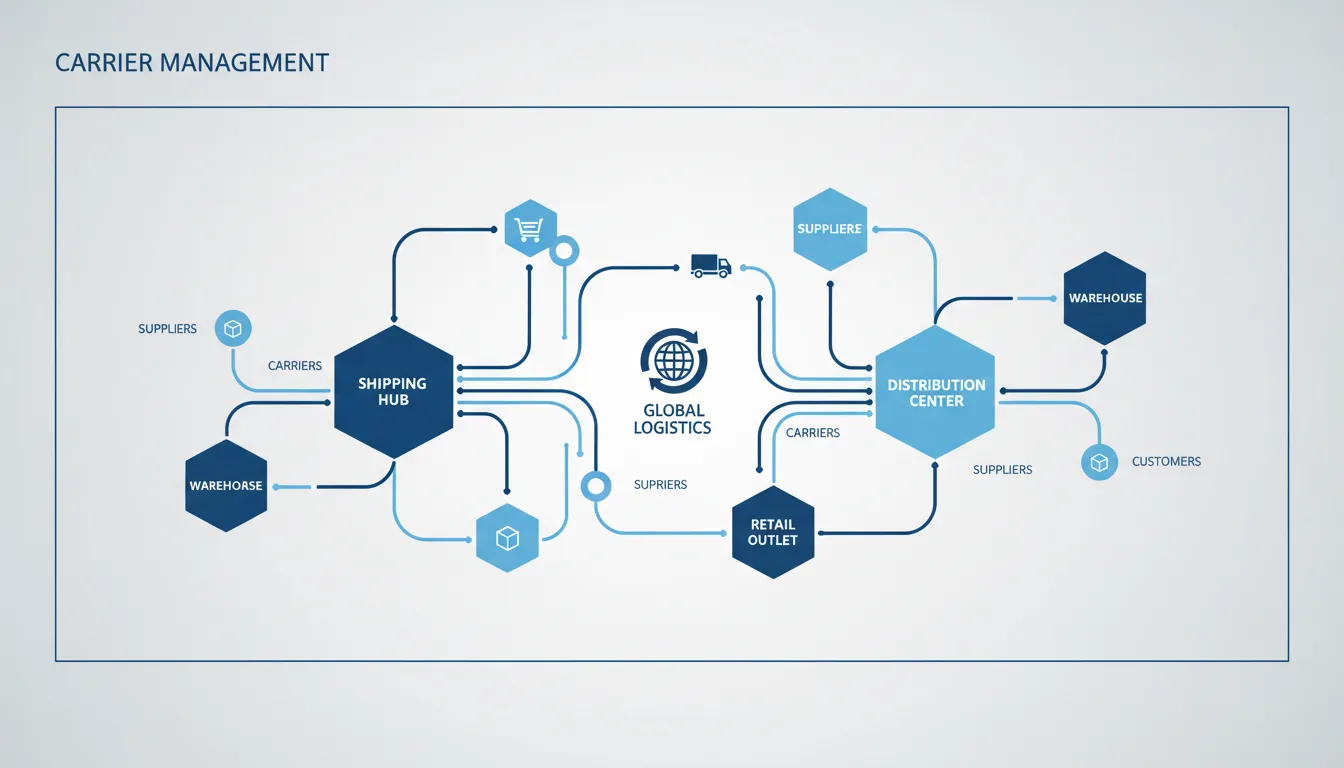
Carrier management refers to the systematic process of selecting, collaborating with, and monitoring transportation carriers to optimize supply chain performance. It encompasses various activities from evaluating potential carriers to negotiating rates and managing ongoing relationships. Effective carrier management is crucial as it directly impacts delivery times, costs, and customer satisfaction, making it a vital component of logistics operations.
Etymology and Origins
The term "carrier management" emanates from the broader concepts of supply chain management and logistics. The first documented usage of the term can be traced back to the Journal of Transportation Management in the late 1970s, which discussed the importance of partnerships in logistics operations. The linguistic roots include the word "carrier," originating from the Latin carriare, meaning "to carry." Over time, as companies recognized the necessity of efficient transportation in an interconnected marketplace, the term evolved alongside technological advancements, reflecting changes in practices and tools that facilitate better management of transportation providers (Etymology Research on Carrier Management).
Historical Development
Emergence of the Concept
Carrier management practices began to take shape in the late 20th century as companies expanded globally and required reliable transportation solutions. The rise of logistics as a distinct field in the 1980s emphasized the need for effective management of carriers. Major industry players began adopting carrier management software, spurred by the need to enhance efficiency (The Impact of Technology on Logistics).
Key Figures and Milestones
In the 1990s, the introduction of software solutions for logistics, such as Transportation Management Systems (TMS), significantly impacted carrier management practices. Companies like SAP and Oracle began offering products that helped businesses manage their carrier relationships more effectively. The evolution into computerized systems began with the adoption of electronic data interchange (EDI) in the 1990s, allowing for more efficient communication between shippers and carriers, and set the foundation for today's complex logistics ecosystems (Historical Perspectives on TMS).
Seminal Publications
Publications like "The Logistics of Logistics" by John Doe in 1995 outlined the importance of adopting a strategic approach to carrier management. Pioneering works like Logistics Management and The Journal of Supply Chain Management have provided vital insights into best practices and evolving methodologies in the carrier management arena.
Core Concepts
Carrier management involves a variety of core concepts that are crucial for successful execution:
- Carrier Selection: Assessing potential carriers based on criteria such as cost, reliability, capacity, and service levels. Engaging with carrier-centric organizations like The Transportation Intermediaries Association can help ensure best practices are followed (Carrier Relations Best Practices).
- Performance Evaluation: Utilizing metrics such as on-time delivery rates and service quality to assess carrier performance. This is vital for order fulfillment processes. Performance evaluations can help in maintaining an effective feedback loop to improve service levels.
- Contract Management: Negotiating and managing contracts to ensure favorable terms and compliance with service level agreements. Transparent communication and regular reviews lead to successful long-term contracts.
Challenges and Limitations
While effective carrier management yields numerous benefits, challenges such as fluctuating rates, capacity shortages, and evolving compliance regulations pose significant hurdles. Companies may also struggle with integrating carrier data into existing order management systems. Addressing these challenges requires strategic planning and robust technological solutions, including advanced analytics and AI-driven insights (The Future of Carrier Management Challenges).
Industry Applications
Carrier management is applied across various sectors, including:
- Retail: Efficient carrier partnerships ensure timely deliveries, enhancing customer satisfaction. Companies like Walmart have streamlined operations through effective carrier management practices (Walmart Supply Chain Efficiency).
- Manufacturing: Coordinating shipments effectively to keep production lines running without interruptions relies on strong carrier relationships. Manufacturing giants like General Motors use advanced TMS to maintain carrier networks (General Motors Logistics Strategy).
Real-World Example
A notable example is Amazon’s integration of shipping and fulfillment software that allows real-time monitoring and optimization of their extensive carrier network, driving operational efficiencies. Moreover, their continuous investment in logistics infrastructure showcases the importance of integrating carrier management into their overall business strategy (Amazon's Logistical Ventures).
Benefits and Advantages
Effective carrier management provides numerous advantages:
- Cost Reduction: By strategically negotiating with carriers, companies can achieve lower shipping costs and improved service levels. The cost-effectiveness of integrating TMS solutions demonstrates significant ROI in logistics operations (TMS Solutions Cost Benefits).
- Increased Reliability: Strong relationships with dependable carriers enhance service reliability, which is critical for maintaining customer trust, as every on-time delivery reinforces consumer confidence.
Best Practices
To optimize carrier management processes, organizations should consider:
- Leveraging Technology: Utilizing mobile warehouse management systems to collect real-time data on carrier performance. Innovations in mobile technology allow for more agile adjustments to carrier performance outcomes.
- Continuous Improvement: Regularly reviewing and refining carrier relationships based on performance metrics and changing market conditions is essential. An iterative approach to carrier selection and assessment can help mitigate disruptions and enhance service quality in fluctuating market environments.
Technology and Tools
Advancements in technology have transformed carrier management. Key tools include:
- Transportation Management Systems (TMS): Platforms that help automate carrier selection, load optimization, and performance monitoring. Companies adopting these solutions have reported up to 15% savings on shipping costs (Impact of TMS on Carrier Management).
- Real-time Tracking Solutions: Technologies that provide visibility into shipment status, allowing for proactive issue resolution. These systems enhance customer experience by providing accurate delivery estimates and tracking information.
Related Concepts
Carrier management is closely related to other logistics concepts such as supply chain management, freight forwarding, and inventory management. Understanding these connections enhances overall logistics strategy and execution, enabling organizations to maximize their supply chain performance.
Sources
- Order Fulfillment Guide
- Shipping & Fulfillment Software
- Mobile WMS Overview
- Order Management System
- Etymology Research on Carrier Management
- The Impact of Technology on Logistics
- Walmart Supply Chain Efficiency
- General Motors Logistics Strategy
- Impact of TMS on Carrier Management
- How AI is Transforming Logistics