Cargo Insurance
Cargo insurance protects shippers from potential losses during the transport of goods, covering various risks including damage and theft.
Updated
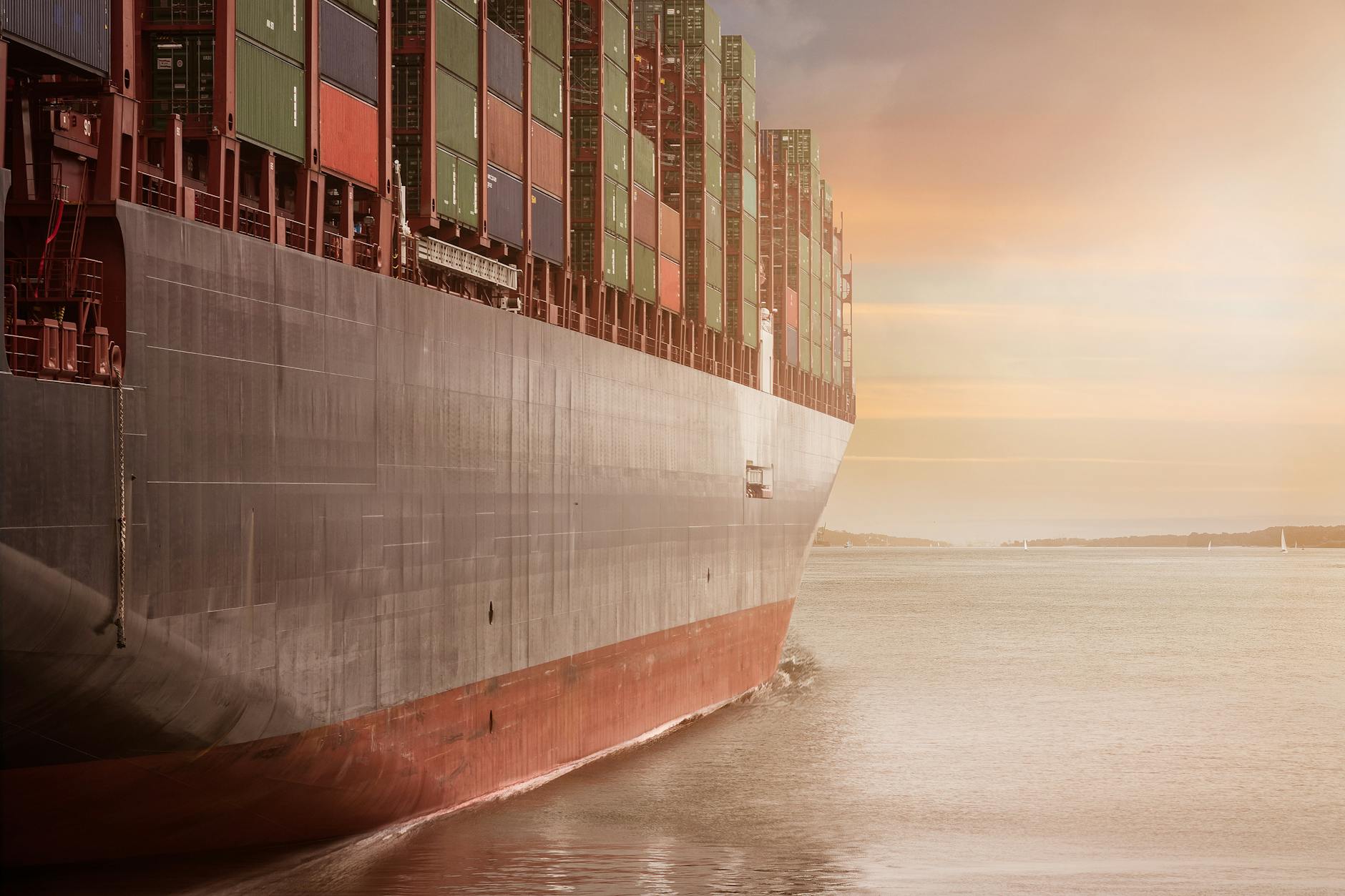
Cargo Insurance
Overview
Cargo insurance is a specialized insurance policy designed to protect the owners of goods during transportation. Its primary purpose is to mitigate financial risks associated with loss or damage to cargo, which can occur due to various factors such as accidents, theft, piracy, or natural disasters. With global trade exceeding trillions of dollars annually, the importance of cargo insurance in supply chain management is increasingly recognized to ensure the smooth, secure flow of goods across borders and protect against significant financial liabilities.
Etymology and Origins
The term 'cargo' originates from the Spanish word cargo, meaning 'load' or 'charge,' which itself is derived from the Latin carricare, meaning 'to load a wagon or car'. The word 'insurance' stems from the Latin insurare, meaning 'to secure' or 'to make safe'.
The concept of insuring cargo can be traced back to ancient civilizations. Early forms of risk-sharing included bottomry and respondentia contracts, practiced by Phoenician, Greek, and Roman merchants as early as 3000 BCE. These were essentially loans for maritime voyages, where the principal was only repaid if the cargo arrived safely, effectively transferring the risk of loss to the lender. Historical records indicate that the earliest commercial insurance for maritime shipping was formalized in Roman law around 221 AD.
During the Middle Ages, mutual aid agreements among merchants, such as those within the German Hanseatic League of the 14th century, saw losses at sea shared among traders. However, the first true marine insurance policies, resembling modern contracts, emerged in the burgeoning commercial centers of Italian city-states like Genoa and Pisa in the 14th century. The earliest known formal insurance policy for a specific voyage was documented in Genoa in 1347.
Historical Development
Cargo insurance has evolved significantly over the centuries, driven by global trade expansion and technological advancements:
-
Ancient & Medieval Eras (Pre-14th Century): The earliest forms of risk transfer, such as bottomry and respondentia bonds, were prevalent in ancient maritime trade, particularly in the Mediterranean. These arrangements allowed merchants to finance voyages with the condition that repayment was contingent on the safe arrival of the vessel or cargo, laying a primitive foundation for marine insurance.
-
14th-16th Centuries: The birth of modern marine insurance took place in medieval Italy. Merchants in Genoa, Venice, and Florence pioneered formal, written insurance contracts, separating them from simple loans. These early policies covered specific voyages and perils. The practice then spread to other European trading hubs, including the Hanseatic League cities and later London, establishing marine insurance as a distinct financial instrument.
-
17th Century: The establishment of Lloyd’s of London in 1686, originating from Edward Lloyd's Coffee House, revolutionized marine insurance. It provided a centralized meeting point for shipowners, merchants, and underwriters, facilitating the exchange of information and the underwriting of risks. This led to the development of standardized practices and forms, significantly contributing to a more organized approach to underwriting and risk assessment across the industry.
-
19th Century: The Industrial Revolution and the advent of steamships and railways expanded the scope of cargo insurance beyond purely maritime risks to cover inland transit. The UK’s Marine Insurance Act of 1906 was pivotal, establishing essential legal frameworks and defining terms and coverage within marine insurance, thereby influencing practices globally and serving as a foundational text for insurance law in many common law jurisdictions.
-
20th Century: This period saw significant standardization and expansion. The introduction of standard forms of cargo insurance, such as the Institute Cargo Clauses (ICC) (first published in 1957 by the Institute of London Underwriters, and later updated), offered clearer, tiered coverage terms (e.g., A, B, C) for international shipments amid growing global trade and the advent of containerization by Malcolm McLean in the 1950s, which fundamentally changed cargo handling and risk profiles. This change marked a significant step towards comprehensive insurance protection for shippers.
-
21st Century: Technological advancements have profoundly impacted cargo insurance. The integration of risk assessment tools leveraging big data and AI enables better pricing, predictive analytics, and underwriting processes. IoT devices and blockchain technology are increasingly used for real-time tracking, enhanced transparency, and automated claims processing, transforming how insurers predict risks, monitor shipments, and handle claims more efficiently. New risks, such as cyber threats to logistics systems, are also emerging areas of concern for cargo insurers.
Pioneering figures in cargo insurance include Edward Lloyd, who founded Lloyd’s Coffee House in 1686, which became a central meeting point for merchants and underwriters, thereby laying the groundwork for modern insurance practices. Key publications such as the Marine Insurance Act of 1906 in the UK established essential legal frameworks for the industry, which continue to be vital in legal discussions surrounding maritime operations.
Core Concepts
Cargo insurance fundamentally works by transferring the risk of loss or damage from the cargo owner to the insurer. Key elements include:
-
Coverage Types: Policies generally include coverage for all risks, named perils, or total loss only. Each type determines what incidents are covered. For instance, 'all risks' provides the most comprehensive coverage, encompassing all perils except those specifically excluded. 'Named perils' limits coverage to specifically listed risks, such as fire, collision, capsizing, or theft—critical for ensuring adequate protection during transportation. 'Total loss only' covers only the complete destruction or disappearance of the entire cargo.
-
Premium Calculation: Factors influencing premiums include the type of goods (e.g., hazardous, perishable, high-value electronics), the shipping method (ocean, air, road, rail), the nature of the cargo (fragility, value), the route taken, packaging quality, and the insured's claims history. High-value or fragile items, for example, may incur higher premiums due to the increased risk associated with their transportation. Additionally, the chosen Incoterms® (International Commercial Terms) dictate who is responsible for insuring the goods at various stages of transit, directly impacting the policy's scope and premium. This necessitates careful evaluation by businesses when insuring valuable products.
-
General Average: A unique principle in marine law, General Average refers to a maritime loss that arises from extraordinary sacrifice or expenditure voluntarily and reasonably incurred to avert peril to the entire adventure (ship, freight, and cargo). All parties whose cargo was saved must contribute proportionally to compensate those whose cargo was sacrificed. Cargo insurance typically covers a shipper's contribution to a general average claim.
-
Claims Process: In the event of loss or damage, the insured must provide comprehensive evidence (e.g., bills of lading, invoices, packing lists, damage reports, survey reports) to support their claim. Maintaining accurate visual inventory records and robust order documentation throughout the supply chain significantly expedites this process. Best practices suggest maintaining detailed records and timely filings, often with the assistance of independent marine surveyors, to expedite the claims process, ensuring businesses can recover losses quickly.
Benefits and Advantages
The advantages of cargo insurance are significant for businesses involved in the shipping of goods:
- Financial Protection: Companies are safeguarded against substantial losses from damaged, stolen, or lost goods. Effective insurance minimizes unexpected expenses, allowing businesses, especially small and medium enterprises, to maintain liquidity and focus on growth rather than absorbing catastrophic losses.
- Peace of Mind: Knowing that goods are insured allows businesses to operate confidently, facilitating investment in international trade and helping them to explore new markets without undue risk apprehension.
- Customizable Coverage: Insurance policies can often be tailored to fit specific needs, including high-value items, time-sensitive shipments, or unique perils (e.g., political risks, war risks). Insurers typically offer options for additional endorsements, which can cover risks like delay in transit, rejection at customs, or specific temperature fluctuations, making cargo insurance adaptable to a variety of business models and cargo types.
- Compliance and Trade Facilitation: In many cases, having adequate cargo insurance is a contractual requirement, especially under certain Incoterms® rules (e.g., CIF, CIP). It can also be a prerequisite for obtaining trade financing or customs clearance, thereby facilitating smoother international transactions.
Challenges and Limitations
Despite its advantages, cargo insurance faces several challenges:
- Claims Complications: The claims process can be intricate and time-consuming, leading to delays in compensation. Issues often arise from insufficient documentation, disputes over cause of loss, or the involvement of multiple international parties. Stakeholders must be educated on precise documentation requirements and procedural steps to ensure quick resolutions to their claims, which may involve working closely with their insurers and appointed surveyors.
- Policy Exclusions: Many policies have exclusions that can leave shippers’ liabilities uncovered. Common exclusions include damage caused by improper packing, inherent vice (e.g., natural deterioration of goods), nuclear events, war (though war risk coverage can often be added), or certain acts of terrorism. Awareness of these exclusions is crucial for shippers to develop adequate risk management strategies and ensure their cargo is protected effectively. For example, if goods are damaged due to inadequate crating, the insurer may deny the claim, emphasizing the importance of best practices in warehouse operations and packaging prior to shipment.
- Incoterms® Misunderstanding: A frequent issue is the misunderstanding of how Incoterms® rules affect the point at which risk and insurance responsibility transfer from seller to buyer. Incorrect application can lead to gaps in coverage, where neither party has adequately insured the goods for a portion of the journey.
- Complexity of Global Supply Chains: Modern global supply chains are increasingly complex, involving multiple modes of transport, transshipment points, and diverse jurisdictions. This complexity can make it challenging to pinpoint the exact moment or cause of loss, complicating insurance assessments and claims.
Conclusion
Cargo insurance plays a vital role in the global supply chain, balancing risk for shippers and facilitating international commerce. From its ancient origins in bottomry contracts to today's sophisticated policies incorporating AI and IoT, it has consistently adapted to the evolving landscape of trade. As the industry continues to advance with technology and navigate new regulatory and geopolitical challenges, its importance in protecting valuable goods remains critical to fostering confidence, mitigating financial exposure, and ensuring the resilience of international trade operations.
Sources
- Understanding Marine Insurance
- Lloyd’s of London and the Origins of Marine Insurance
- How Artificial Intelligence is Changing the Insurance Industry
- Understanding Marine Insurance
- Lloyd’s of London and the Origins of Marine Insurance
- How Artificial Intelligence is Changing the Insurance Industry
- Global trade growth slows in 2023, outlook for 2024 uncertain
- Bottomry and respondentia bond
- Hanseatic League
- insurance: Early history
- Institute Cargo Clauses (ICC)
- Malcolm McLean and the Invention of Containerization
- How Blockchain Is Shaping the Future Of The Insurance Industry
- All-Risks Insurance
- Named Perils
- Incoterms® 2020
- General average
- Visual Inventory Management System
- Risk Management for Cargo
- Mobile Warehouse Management System