Branded Packaging
Branded packaging integrates design and functionality to enhance brand awareness and customer experience, playing a key role in logistics and supply chain management.
Updated
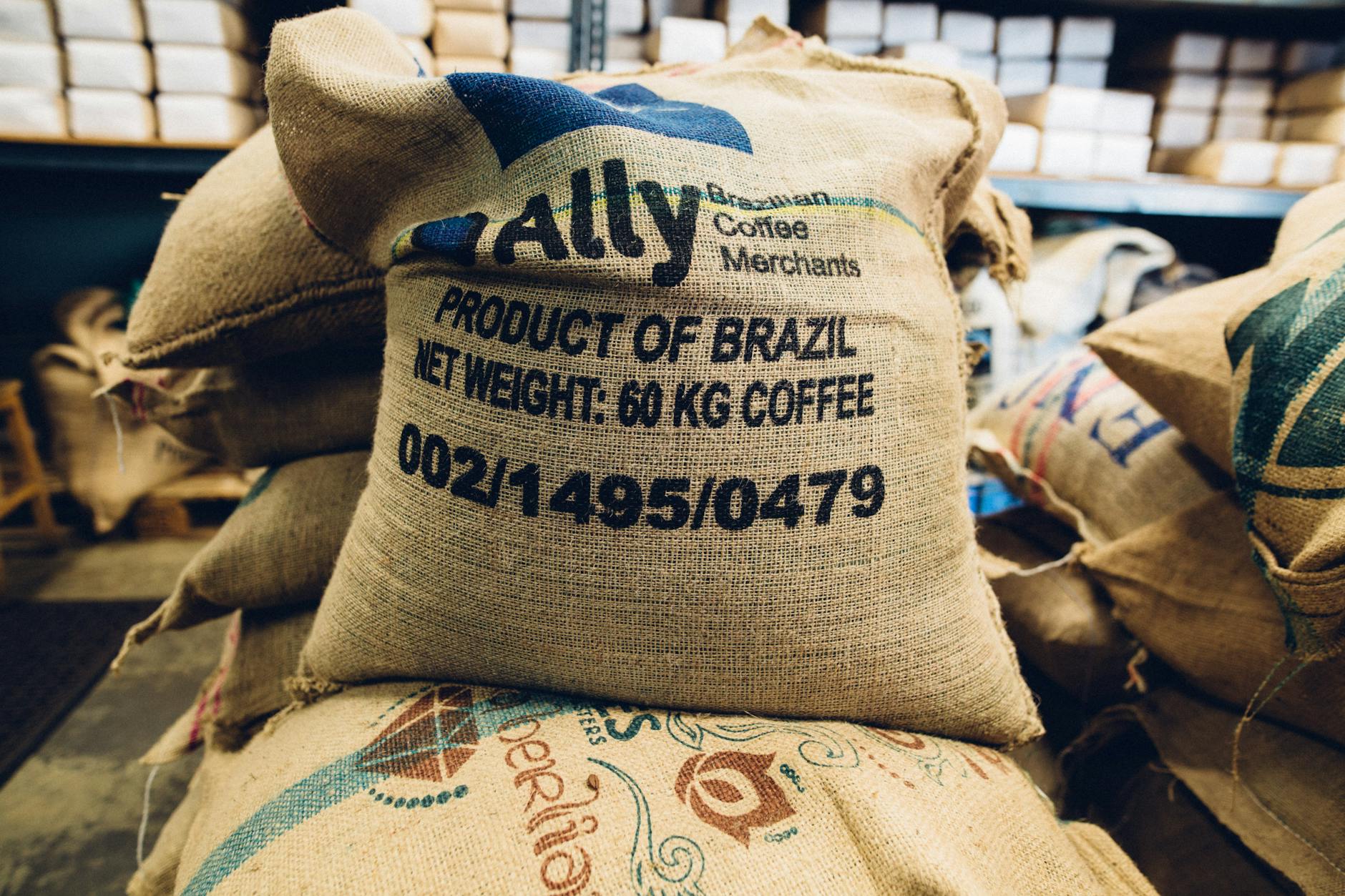
Branded Packaging
Overview
Branded packaging refers to the use of packaging elements that convey a company's brand identity, values, and message, serving the dual purpose of protecting the product and enhancing brand recognition. Effective branded packaging can significantly influence consumer perception, making it a vital component in logistics and supply chain processes. It encompasses various elements including design, color scheme, logo placement, and messaging, contributing not only to the aesthetic appeal but also to the functionality of the packaging throughout the distribution network. According to recent studies, well-executed branded packaging can boost sales by up to 30%.
Etymology and Origins
The term "packaging" stems from the Old French word "package," which refers to a bundle or a load. The first documented usage of branded packaging can be traced back to the late 1800s with products like Cola and Campbell’s Soup, which used design elements to create a strong market identity. As consumer goods became more prevalent in the early 20th century, the significance of branding began to influence packaging strategies, ultimately evolving into a key aspect of marketing. The evolution of packaging as a branding tool accelerated in the 1960s, driven by advancements in materials science and printing technology that allowed for more vibrant and elaborate designs.
Historical Development
Early Innovations
- 1915: The introduction of the first consumer product with a distinct brand; the introduction of Pepsi-Cola marked a turning point where branding became essential to package design. The iconic blue and red logo helped consumers identify the product on the shelves.
- 1920s: The emergence of colorful and artistic packaging began to appeal to consumers’ emotions and aspirations, exemplified by the introduction of Kraft Macaroni and Cheese, which utilized vivid colors and a distinctive design to stand out in the marketplace.
1950s-1970s
- Companies like Coca-Cola and Tide pioneered innovative packaging designs, focusing on consistency in branding and consumer engagement. The advent of flexible packaging during this era allowed brands to enhance shelf appeal through eye-catching designs.
- 1960: The term “packaging” began appearing in marketing literature, emphasizing its importance as a marketing tool rather than merely a containment method. This shift marked the beginning of treating packaging strategically in product marketing.
Technology Evolution
- 1960s-1970s: The transition from manual to computerized packaging processes allowed for more efficient production and distribution practices, including Automated Packaging Systems.
- 1980s: The introduction of Just-In-Time (JIT) systems at Toyota highlighted the importance of seamless packaging in supply chains, illustrating efficiency not just in logistics but also in consumer presentation. This was a fundamental change that redefined inventory management and packaging processes across industries.
- 2000s: With the rise of e-commerce, packaging was re-envisioned for shipping logistics, requiring durable and branded solutions to maintain product integrity during transit.
Seminal Publications
During the mid-20th century, seminal works like The Power of Branded Packaging began to emphasize how packaging not only contained products but also served as a crucial marketing tool that could drive customer loyalty and recognition. Publications advising innovations in sustainable packaging and future trends in packaging have also played significant roles in shaping the industry.
Conclusion
In conclusion, branded packaging has evolved from a mere protective covering to a multifaceted marketing strategy that significantly affects consumer behavior and business success. As logistics practices continue to develop, so too will the strategic importance of effective branded packaging in enhancing customer experience and improving supply chain efficiency.
Sources
- Pick, Pack, Ship Software
- Mobile WMS Overview
- The History of Soda
- The Power of Branded Packaging
- Future Trends in Packaging
- Green Packaging: A Guide
- Sustainable Packaging Innovations
- The Power of Branded Packaging
- The History of Soda
- Green Packaging: A Guide
- Future Trends in Packaging
- Automated Packaging Systems