Better Inventory Management
An in-depth overview of better inventory management practices, technologies, and principles essential for supply chain efficiency.
Updated
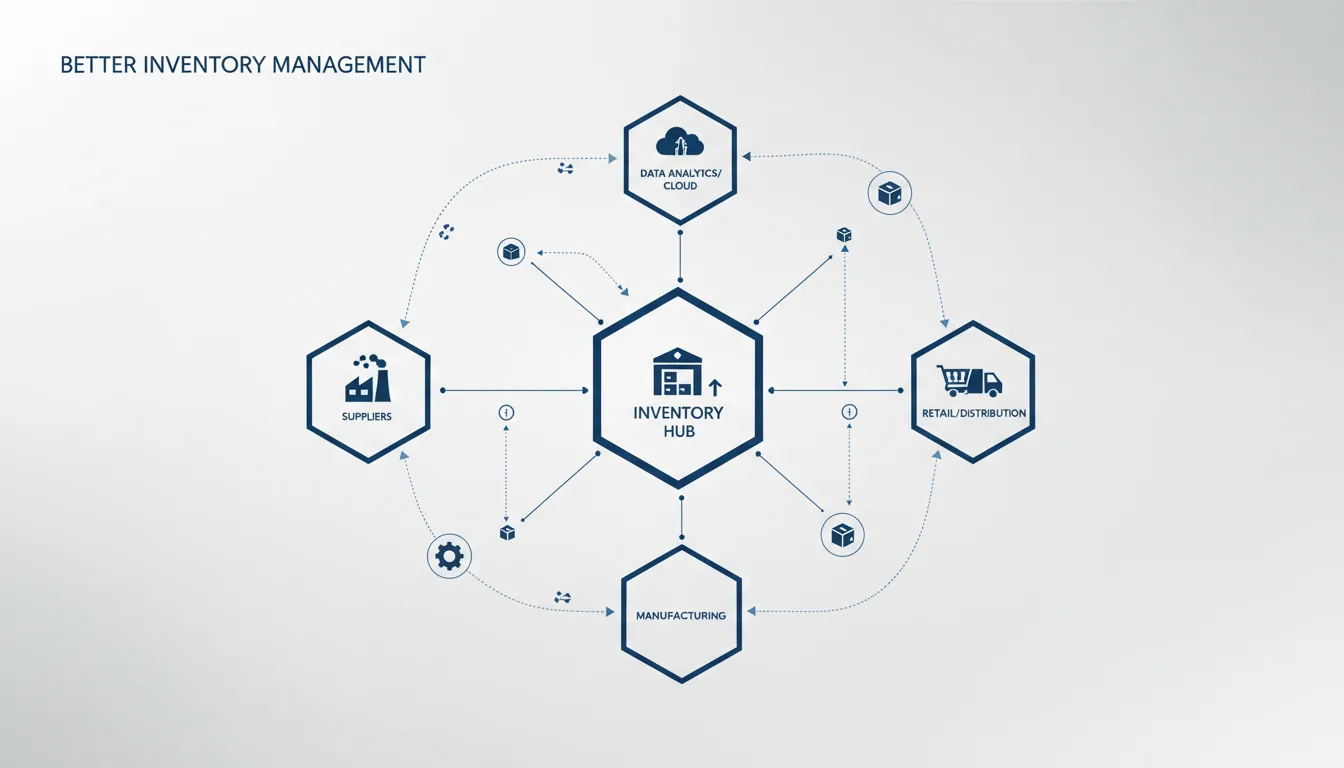
Better Inventory Management
Overview
Better inventory management involves strategic practices and technologies utilized to maintain optimal stock levels, improve order accuracy, and reduce costs. This is essential for businesses to maximize efficiency and customer satisfaction, ensuring that products are available when needed while minimizing excess inventory. Accurate inventory management allows firms to respond swiftly to market demands and maintain robust cash flow.
Etymology and Origins
The term "inventory" derives from the Latin word "inventarium," which translates to a detailed list of items. The first documented usage of the term can be traced back to the early 15th century in English contexts, where it referred to the act of taking stock of items. Historically, the management of physical stock can be traced back to ancient civilizations, where records were kept for tracking supplies and trade items. Over time, the concept has evolved significantly from manual logging systems to complex software solutions in modern supply chains, reflecting advancements in business practices and technology. For example, in the 18th century, the introduction of systematic stock-taking and storage techniques laid the groundwork for contemporary inventory management methods.
Historical Development
Early Practices
Records of early inventory practices date back to the Babylonians around 3000 BC, who used clay tablets to track grain. During the Renaissance, merchants adopted more sophisticated methods, leading to the introduction of double-entry bookkeeping in the 15th century, which aided in better financial visibility and inventory tracking [7].
Key Figures
In the 20th century, the advent of technologies such as barcode systems and computerized inventory management transformed practices dramatically. Notable contributions came from companies like Toyota, which pioneered lean inventory principles in the 1950s, emphasizing waste reduction and efficient resource use [6].
Major Milestones
- 1960s: Introduction of the first computerized inventory systems, which replaced manual stock tracking and improved accuracy.
- 1980s: Development of Just-In-Time (JIT) manufacturing principles by Toyota, further enhancing inventory turnover rates and minimizing waste.
- 1990s: Widespread adoption of RFID technology, allowing for automated inventory tracking and real-time data updates [10].
- 2000s and beyond: Integration of advanced analytics and AI for predictive stocking and demand forecasting, revolutionizing how businesses manage inventory in an omnichannel landscape. Informatics and big data have now become critical factors in inventory management strategies.
Seminal Publications
Books like Inventory Management: Principles, Concepts and Techniques provide frameworks for understanding the dynamics of inventory control, offering guidance on methodologies and quantitative techniques [9]. Additionally, foundational texts like The Goal by Eliyahu M. Goldratt have influenced modern inventory strategies with their focus on systemic thinking and bottleneck management.
Core Concepts
Better inventory management is characterized by several key concepts, including:
- ABC Analysis: Classifying inventory into categories based on importance and value to optimize handling [8].
- Safety Stock: Holding extra inventory to prevent stockouts during unexpected demand spikes.
- Cycle Counting: Regularly counting a portion of inventory to ensure accuracy and minimize discrepancies.
These practices can significantly improve turnover rates and reduce holding costs, thus enabling smoother operations within the supply chain. Companies can achieve these efficiencies through Cycle Counting and effective Stock Replenishment techniques.
Industry Applications
Various sectors implement better inventory management strategies:
- Retail: Using real-time inventory visibility to optimize stock levels across multiple channels, which is especially vital during peak seasons such as holidays [7].
- Manufacturing: Employing Just-In-Time practices to streamline production and reduce waste, which has been shown to increase overall efficiency and reduce costs.
- E-commerce: Enhancing order fulfillment accuracy through software solutions like the Order Management System, which allows businesses to manage inventory efficiently across platforms and better respond to customer needs.
Benefits and Advantages
Effective inventory management results in several advantages:
- Cost Reduction: Minimizing carrying costs by better stock management, allowing for more efficient allocation of capital.
- Improved Customer Satisfaction: Ensuring products are available when customers demand them improves service quality and loyalty.
- Increased Operational Efficiency: Reducing time spent on stock audits and discrepancies facilitates smoother operations, enlightening the path for business growth.
Challenges and Limitations
Despite its benefits, better inventory management also faces challenges:
- Data Entry Errors: Manual inputs may lead to inaccuracies unless effective checks are in place. Deploying automated solutions can help mitigate such risks.
- Demand Fluctuation: Unpredictable market conditions can complicate planning and forecasting, necessitating agile practices and adaptable systems.
- Integration Issues: Difficulty in synchronizing data across different systems can hinder overall efficiency, emphasizing the need for integrated platforms to streamline inventory management.
Addressing Challenges
Solutions such as Mobile WMS can enhance tracking accuracy and update inventory in real-time, reducing human error and enabling swift responses to market changes. The adoption of cloud-based systems is also crucial in maintaining flexibility and scalability in inventory practices.
Best Practices
To achieve optimal outcomes in inventory management, businesses should consider:
- Regular training for staff on inventory management systems to ensure the team is equipped with the latest knowledge and skills.
- Implementing Technology Solutions for real-time tracking and improved efficiency. Organizations should actively seek out the latest advancements in technology to stay competitive.
- Conducting periodic reviews of inventory policies and processes to adapt to changing business environments, ensuring continued relevance and effectiveness.
Technology and Tools
Emerging technologies play a crucial role in improving inventory management:
- Barcode and RFID Systems streamline tracking and reduce manual checks, allowing for increased accuracy and efficiency in inventory control.
- Inventory Management Software allows for real-time stock updates and analysis, facilitating decision-making processes within organizations.
- Advanced Analytics for predicting trends based on historical data and consumer behavior, empowering companies to make informed stock decisions.
Future Trends
The future of inventory management is likely to be shaped by:
- AI and Machine Learning: Implementing intelligent forecasting models to mitigate stockouts and overstock situations, transforming the approach businesses take to inventory planning.
- Blockchain Technology for transparent tracking of goods through the supply chain, enhancing trust among stakeholders and ensuring better compliance.
- Sustainability Practices focusing on minimizing waste and optimizing inventory life cycles, aligning with increasing consumer expectations for corporate responsibility.
Related Concepts
Better inventory management is interwoven with concepts such as Just-In-Time Inventory and Lean Manufacturing, highlighting the importance of efficiency and waste reduction in modern supply chains. Understanding these related philosophies can provide deeper insights into best practices in inventory management.
Sources
- Visual Inventory Management System
- Mobile Warehouse Management System
- Order Management System
- Stock Replenishment Guide
- Cycle Counting Guide
- The Lean Strategy: A Primer
- Trends in Inventory Management
- Just-In-Time: A Historical Evolution
- Inventory Management Principles
- The Role of Analytics in Inventory Management