Autonomous Logistics
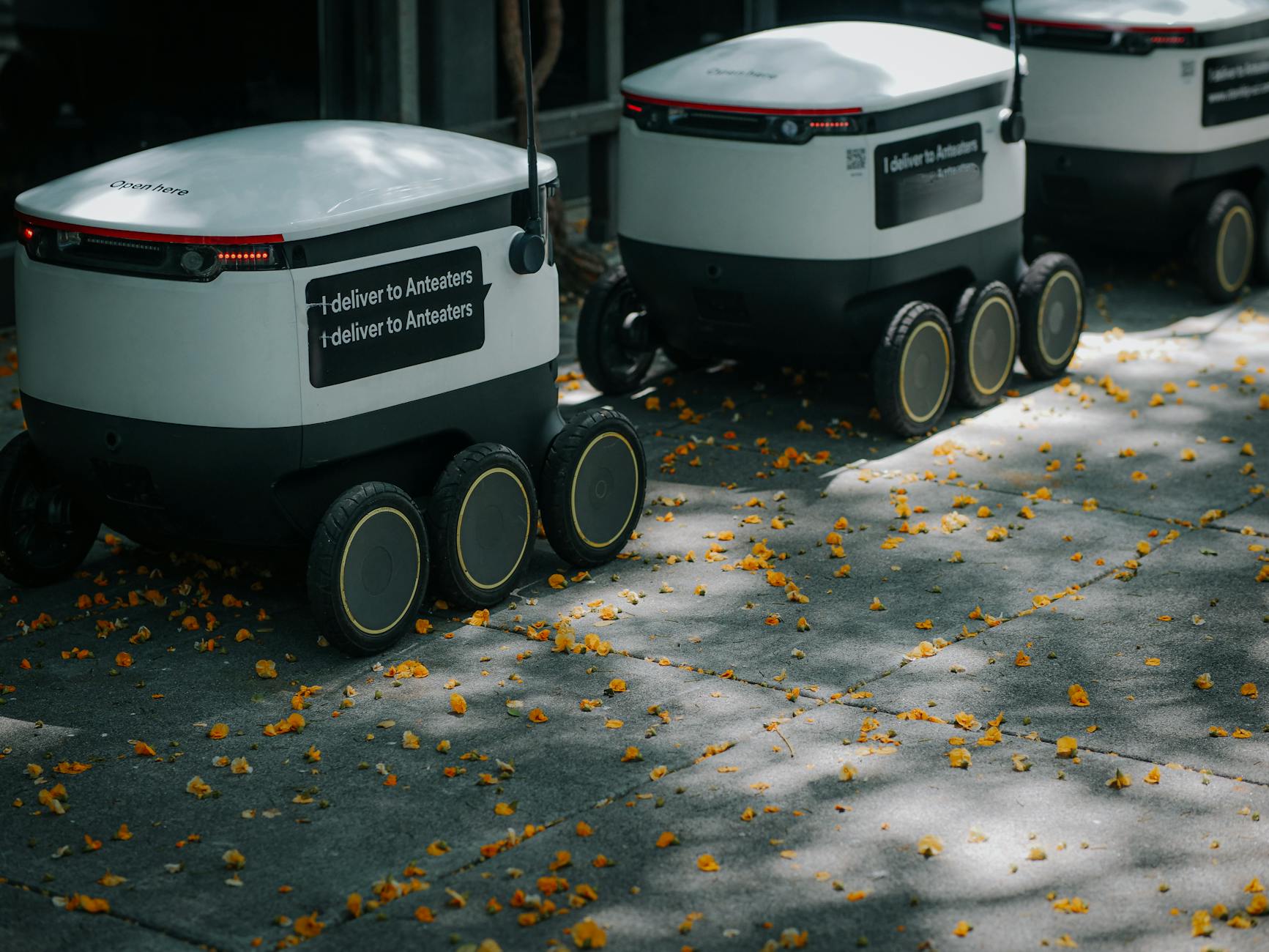
Autonomous logistics integrates advanced technologies to enhance efficiency in supply chain management through automation and decision-making processes.
Updated
Autonomous Logistics
Overview
Autonomous logistics refers to the integration of advanced technologies, such as artificial intelligence (AI), robotics, and machine learning, into logistics and supply chain management. The primary purpose of autonomous logistics is to optimize processes, reduce human intervention, and enhance operational efficiency. This approach is becoming increasingly important in addressing the complexities of modern supply chains, characterized by high volumes of data and rapid fulfillment needs, especially in the era of e-commerce acceleration.
Etymology and Origins
The term "autonomous logistics" combines the Latin root autonomus, meaning self-governing or independent, with logistics, which traces its roots to the Greek word logistikos, meaning skilled in computing or calculation [4]. The concept of logistics itself evolved from military science, dealing with the movement and supply of troops and materiel, before transitioning into commercial use in the early 20th century [5]. The fusion of these terms reflects the evolution of logistics from traditional, manual methods of management to automated, tech-driven processes. While the foundational technologies developed much earlier, the specific phrase "autonomous logistics" began appearing in academic and industry literature in the late 1990s and early 2000s, gaining significant traction with the rapid advancements in AI, robotics, and the Internet of Things (IoT) [6]. Early discussions often revolved around self-organizing systems and intelligent agents in supply chains.
Historical Development
The journey towards autonomous logistics is deeply intertwined with the broader history of industrial automation and information technology. Its roots can be traced back to several key eras:
- Mid-20th Century (1950s-1960s): Early efforts focused on optimizing inventory and production through mathematical models and rudimentary computing. The development of Material Requirements Planning (MRP) systems in the 1960s, driven by companies like IBM, marked a significant step towards using computational power for supply chain planning [7]. These systems provided the analytical foundation for future automation.
- Late 20th Century (1970s-1990s): This period saw the introduction of early warehouse automation. [Automated Guided Vehicles (AGVs)](https://www.materials handling.com.au/feature/auto-guide-vehicles-a-new-era) were first deployed in manufacturing facilities in the 1950s, but their application in warehousing became more widespread in the 1980s, laying the groundwork for future mobile robotics in logistics [8]. The 1990s witnessed the widespread adoption of Warehouse Management Systems (WMS) to digitalize and streamline warehouse operations, providing the data infrastructure necessary for autonomous systems. Companies like Amazon, founded in 1994, quickly recognized the potential of automation to scale their rapidly growing e-commerce operations, initially using advanced conveyor systems and later embracing robotics for order fulfillment [2].
- Early 21st Century (2000s-2010s): The incorporation of advanced computing, machine learning, and data analytics further propelled advancements. Significant milestones include:
- 2003: The establishment of Kiva Systems, which pioneered mobile robotic fulfillment systems for warehouses. Their innovative approach allowed for goods-to-person automation, revolutionizing order picking [9].
- 2012: Amazon acquired Kiva Systems (later rebranded as Amazon Robotics) for $775 million, a pivotal moment that accelerated the deployment of autonomous mobile robots (AMRs) in large-scale fulfillment centers globally [10].
- 2010s onwards: The emergence of sophisticated algorithms, real-time data processing, and simulation techniques enabled more dynamic optimization of logistics processes, from route planning to inventory forecasting [11]. The proliferation of affordable sensors and communication technologies, driven by the IoT, also became crucial.
- Present Day (2020s onwards): We are entering an era of true autonomy, characterized by increased collaboration between robots and humans, advanced AI for predictive analytics, and the expansion of autonomous solutions beyond the warehouse to include last-mile delivery with drones and self-driving vehicles, as well as optimizing global supply chains through intelligent platforms [12].
Core Concepts
At the core of autonomous logistics is the interplay between data-driven decision-making, automated processes, and real-time responsiveness. Key technologies involved include:
- Robotics and Automation: These systems perform repetitive and complex tasks such as sorting, packing, and transportation within warehouses. This includes Automated Storage and Retrieval Systems (AS/RS), AGVs, and Autonomous Mobile Robots (AMRs), which are increasingly prevalent in order fulfillment and material handling [2]. Solutions like visual inventory management systems leverage automation for enhanced visibility.
- Artificial Intelligence (AI) and Machine Learning (ML): Algorithms analyze vast amounts of historical and real-time data to predict supply chain disruptions, optimize inventory levels, forecast demand, and enable dynamic route optimization. AI powers intelligent decision-making, minimizing human intervention in routine tasks and flagging exceptions [13].
- Internet of Things (IoT): Devices connected to the internet, such as sensors on pallets, vehicles, and warehouse equipment, facilitate real-time tracking, monitoring, and condition-based maintenance. This improves visibility and provides the raw data essential for AI and ML algorithms [6].
- Digital Twins: Virtual replicas of physical logistics systems (e.g., a warehouse or an entire supply chain) allow for real-time simulation, testing of scenarios, and predictive maintenance without impacting live operations [14].
- Blockchain: While still emerging, blockchain technology offers potential for secure, transparent, and immutable tracking of goods and transactions across the supply chain, enhancing trust and reducing fraud in autonomous networks [15].
These technologies work in concert, often orchestrated by advanced workflow management systems, to create self-optimizing logistics environments.
Industry Applications
Autonomous logistics is utilized across various sectors, demonstrating its versatility and impact:
- E-commerce and Retail: Companies like Amazon are pioneers, leveraging AMRs in fulfillment centers and experimenting with drones and autonomous vehicles for last-mile delivery, significantly reducing delivery times and operational costs. In retail, AI-powered inventory management helps optimize stock levels, personalize customer experiences, and manage returns efficiently, often integrated with Shopify inventory management solutions.
- Manufacturing: Factories employ highly automated systems, from robotic assembly lines to AGVs transporting components. These systems integrate seamlessly with inventory management and production scheduling, leading to just-in-time (JIT) delivery of parts, reduced waste, and enhanced overall efficiency [16].
- Healthcare and Pharmaceuticals: Autonomous systems ensure precise temperature control, secure transport, and accurate tracking of sensitive medical supplies and drugs. Robots can assist with dispensing medications in pharmacies and hospitals, improving accuracy and speed [17].
- Transportation and Shipping: Autonomous trucks, ships, and potentially even aircraft are being developed to reduce labor costs, increase safety, and optimize fuel consumption for long-haul routes. Within ports and distribution hubs, automated cranes and vehicles streamline loading and unloading processes [18].
Benefits and Advantages
The adoption of autonomous logistics offers significant advantages for businesses operating in a complex global economy:
- Increased Efficiency and Throughput: Automated processes dramatically reduce manual labor requirements and human error, leading to faster operations, higher processing volumes, and improved resource utilization. This directly impacts key metrics like order fulfillment speed.
- Optimized Inventory Management: AI systems provide real-time data analytics, enabling precise demand forecasting, dynamic stock replenishment (stock replenishment guide), and optimized storage utilization. This reduces carrying costs, minimizes stockouts, and decreases waste [11]. Tools like cycle counting can be automated and made more accurate.
- Enhanced Customer Experience: Faster and more reliable delivery times, improved order accuracy, and the ability to meet increasing customer demands for instant gratification significantly boost customer satisfaction and loyalty. Autonomous systems can help manage complex pick, pack, and ship operations with greater speed.
- Cost Reduction: While initial investment can be high, autonomous systems lead to long-term savings through reduced labor costs, optimized energy consumption, lower error rates, and minimized inventory holding costs [19].
- Improved Safety and Working Conditions: Automating hazardous or repetitive tasks reduces the risk of workplace injuries for human employees. Robots can operate in environments unsuitable for humans, such as extreme temperatures or handling dangerous materials.
- Scalability and Flexibility: Autonomous systems can be scaled up or down more easily to meet fluctuating demand, offering greater agility in response to market changes or seasonal peaks [20].
Challenges and Limitations
Despite its advantages, autonomous logistics presents several notable challenges and limitations that organizations must address:
- High Initial Investment: The capital expenditure for implementing advanced robotics, AI software, and IoT infrastructure can be substantial, making it a barrier for smaller businesses [19].
- Technology Integration and Complexity: Many businesses face difficulties integrating new, sophisticated autonomous technologies with existing legacy systems, requiring significant IT expertise and potentially disrupting current operations. Developers often need to build robust APIs for seamless data exchange.
- Data Security and Privacy Concerns: The reliance on vast amounts of data from IoT devices and connected systems raises significant concerns about data breaches, cyberattacks, and the privacy of sensitive supply chain information [21]. Robust cybersecurity measures are essential.
- Regulatory Compliance and Ethical Issues: Autonomous logistics must navigate complex and evolving regulations pertaining to labor laws, safety standards (especially for autonomous vehicles and drones), and data governance. Ethical considerations regarding job displacement and accountability in the event of system failures also need careful thought [22].
- Lack of Skilled Workforce: There is a growing need for professionals skilled in managing, maintaining, and developing autonomous systems, creating a talent gap in the industry [23]. Training existing employees to work alongside automated systems is crucial.
- System Reliability and Resilience: While designed for efficiency, autonomous systems can be vulnerable to software glitches, hardware failures, or unexpected environmental variables, potentially leading to significant operational disruptions if not properly monitored and maintained.
Best Practices
To effectively implement and leverage autonomous logistics, organizations should adopt a strategic and phased approach:
- Strategic Assessment and Planning: Begin with a thorough analysis of current logistics processes to identify pain points, bottlenecks, and the most promising opportunities for automation. Define clear objectives and key performance indicators (KPIs) [24]. Consider a staged implementation, starting with less complex areas.
- Invest in Scalable and Interoperable Technology: Choose technology solutions that are not only cutting-edge but also scalable, modular, and designed for easy integration with existing systems via robust APIs. Prioritize platforms that offer flexible workflow customization and comprehensive data analytics, such as advanced mobile WMS or order management systems.
- Data Governance and Cybersecurity: Establish strong data governance policies and implement robust cybersecurity measures to protect sensitive information generated by autonomous systems. Ensure compliance with data protection regulations [21].
- Workforce Transformation and Training: Prepare the workforce for a collaborative environment where humans work alongside intelligent systems. Invest in continuous training programs to upskill employees for new roles in supervision, maintenance, and data analysis of autonomous operations [23].
- Pilot Programs and Continuous Improvement: Start with pilot projects in controlled environments to test and refine autonomous solutions before full-scale deployment. Embrace a culture of continuous improvement, using data feedback to optimize system performance and adapt to evolving business needs.
- Regulatory Awareness and Ethical Frameworks: Stay informed about relevant regulations and actively engage with industry bodies and policymakers to help shape future standards. Develop internal ethical frameworks to guide the responsible deployment of autonomous technologies.
Future Trends
Looking ahead, several trends are likely to shape the future of autonomous logistics, pushing the boundaries of efficiency, sustainability, and adaptability:
- Human-Robot Collaboration (Cobotics): The focus will increasingly shift from full automation to a hybrid workforce where humans and intelligent robots (cobots) collaborate seamlessly, leveraging the strengths of both. Humans will handle complex problem-solving and oversight, while robots perform repetitive or dangerous tasks [25].
- Hyper-Personalization and Predictive Fulfillment: Advanced AI will enable logistics systems to anticipate customer needs with greater accuracy, allowing for predictive shipping and hyper-personalized delivery options. This may involve pre-positioning inventory closer to anticipated demand using visual inventory management and AI [11].
- Sustainability and Green Logistics: As environmental concerns grow, autonomous logistics will play a crucial role in reducing carbon footprints. AI-optimized routes, autonomous electric vehicles, and efficient warehouse operations will minimize waste, energy consumption, and emissions, contributing to more sustainable supply chains [26].
- Digital Twins and Supply Chain Orchestration: The widespread adoption of digital twin technology will enable real-time simulation and optimization of entire supply chain networks, allowing for proactive decision-making and rapid response to disruptions. This will lead to highly resilient and self-orchestrating supply chains [14].
- Advanced Robotics and Dexterity: Development of more sophisticated robots capable of handling complex, variable tasks, including delicate picking of irregularly shaped items and performing advanced quality control. These robots will integrate more closely with advanced vision systems and AI [27].
- Urban Air Mobility (UAM) and Drone Integration: Expansion of drone and other UAM solutions for last-mile delivery, especially in congested urban areas or hard-to-reach locations, subject to regulatory advancements [12].
Related Concepts
Autonomous logistics intersects with various logistics principles and technological advancements, forming a comprehensive ecosystem for modern supply chain management:
- Supply Chain Management: The overarching discipline that coordinates and manages all activities involved in sourcing, procurement, conversion, and logistics management, from raw materials to final customer delivery [28]. Autonomous logistics represents the cutting edge of SCM execution.
- Warehouse Management Systems (WMS): Modern WMS are foundational, providing the software infrastructure to manage inventory, automate processes, and direct human and robotic tasks within a warehouse. They are essential for integrating autonomous technologies.
- Order Management Systems (OMS): OMS streamline the entire order fulfillment lifecycle, from order capture to delivery. Autonomous logistics enhances OMS by enabling faster, more accurate, and more flexible fulfillment processes.
- Inventory Management: The systematic process of ordering, storing, and tracking inventory. Autonomous systems significantly enhance this through predictive analytics, automated stock replenishment, and real-time visibility, often enabled by visual inventory management systems.
- Logistics Automation: A broader term encompassing any technology that automates logistics tasks, including but not limited to autonomous systems. Autonomous logistics is a highly advanced subset of logistics automation.
The adoption of autonomous logistics is not merely a trend; it represents a paradigm shift in how businesses operate and excel in today's competitive landscape, fundamentally reshaping efficiency, resilience, and customer satisfaction.
Sources
- Mobile Warehouse Management System Overview
- Pick, Pack, Ship Software
- Order Management System
- Logistics: An Overview of the Concept and Its Place in Business Education
- Logistics and Supply Chain Management
- What is IoT?
- MRP vs ERP: What Is the Difference?
- Kiva Systems: The Robotics Company Amazon Acquired
- Amazon buys Kiva Systems for $775 million
- The Critical Importance of Accurate Inventory Forecasting
- Last-mile delivery: The future of fulfillment
- What is Artificial Intelligence (AI)?
- Digital Twins: Bridging the physical and digital in supply chains
- Blockchain in Supply Chain: A Game Changer?
- The Role of Automation in Modern Manufacturing
- Robotics in Healthcare: Benefits, Challenges, and Future
- Autonomous Shipping: The Future of Maritime Transport
- The Economic Impact of Industrial Robotics
- Automation and Flexibility in Logistics Systems
- Cybersecurity in the Supply Chain: A Growing Concern
- The Ethics of Autonomous Logistics
- Automation in Logistics: Bridging the Talent Gap
- How to Measure Logistics Performance with KPIs
- Human-Robot Collaboration: The Future of Automation
- Green Logistics: The Path to Sustainable Supply Chains
- Robotics for E-commerce Fulfillment: A Revolution
- Supply Chain Management: A Logistics Perspective
- eCommerce Acceleration: Why now is the time to optimize your supply chain
- What is Machine Learning?
- What is Robotics?
- Automated Storage and Retrieval Systems (AS/RS)
- AMR vs. AGV: What's the Difference?
- Amazon Prime Air Drone Delivery
- Visual Inventory Management System
- Workflows Overview
- Shopify Inventory Management
- Shipping & Fulfillment Software
- Stock Replenishment Guide
- Cycle Counting Guide
- Developers / API
- Order Management System