Amazon MCF (Multi-Channel Fulfillment)
An overview of Amazon's Multi-Channel Fulfillment, highlighting its operational framework, benefits, and implications for logistics professionals.
Updated
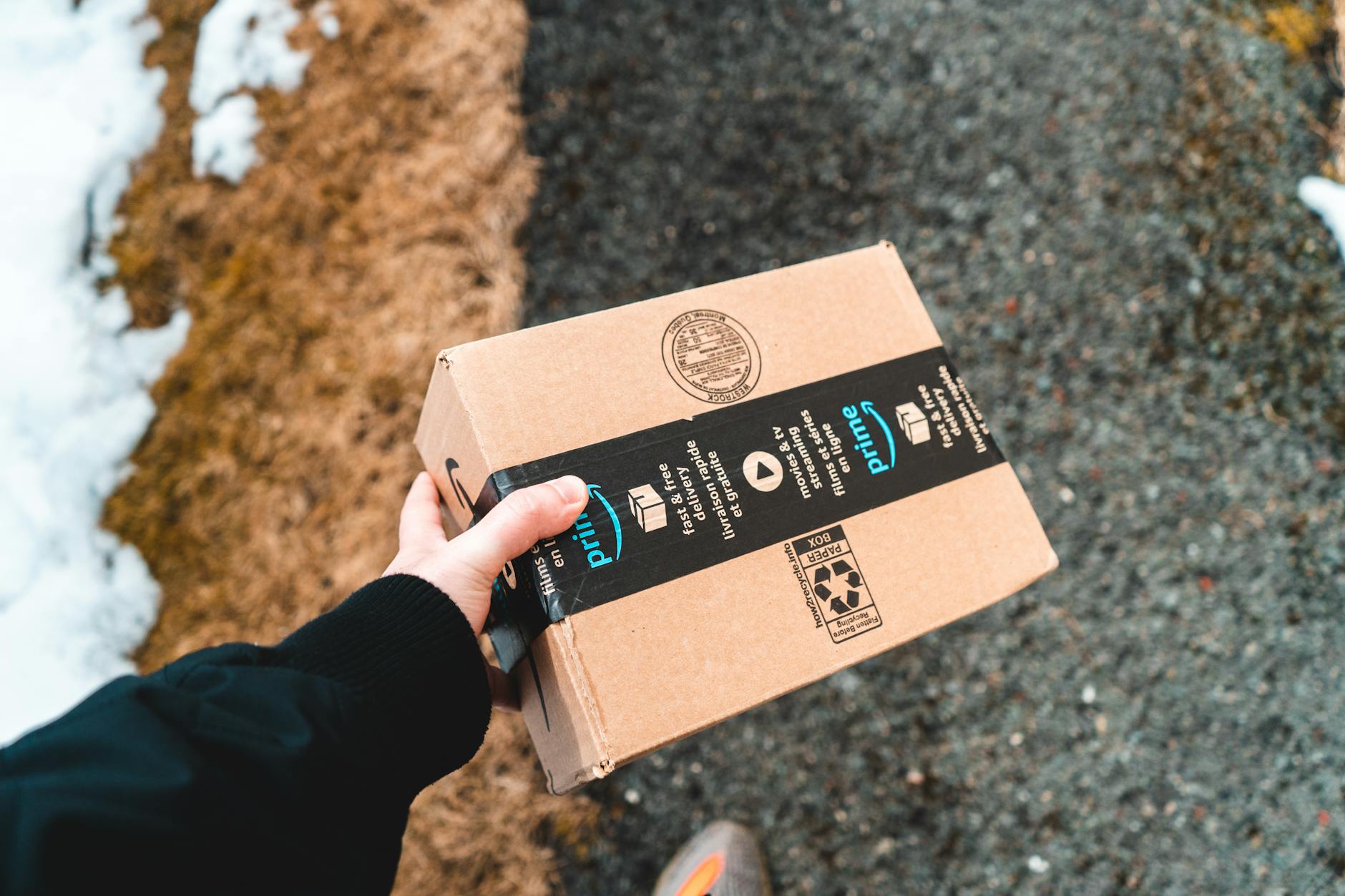
Amazon MCF (Multi-Channel Fulfillment)
Overview
Amazon Multi-Channel Fulfillment (MCF) is a logistics service that allows sellers to fulfill orders from multiple sales channels using Amazon's vast network of warehouses. This service streamlines inventory management and enhances customer satisfaction by ensuring timely delivery. MCF enables businesses to leverage Amazon's shipping and fulfillment software, improving efficiency while reducing the operational burden on sellers.
Etymology and Origins
The term "multi-channel fulfillment" reflects a logistics strategy that integrates various sales channels—be they online marketplaces, websites, or even physical retail locations. The concept first gained traction in the late 1990s, with e-commerce emerging as a significant force. The first documented usage of multi-channel referred to distributing products through more than one sales medium. It evolved to encompass a comprehensive strategy that includes various fulfillment methods including drop shipping, third-party logistics, and direct-to-consumer models. Early adopters of multi-channel strategies included companies like Dell and Walmart, setting standards for others in the industry.
Historical Development
Multi-channel fulfillment has its roots in the rise of e-commerce. Here's a chronological breakdown of its development:
- 1994: The launch of Amazon as an online bookstore, setting the stage for logistics innovations.
- Early 1990s - 2000s: Companies began integrating e-commerce with traditional retail, allowing customers to shop online while maintaining brick-and-mortar operations.
- 2000s: The rise of marketplaces like eBay and Amazon led to more businesses exploring different sales channels, prompting the need for effective fulfillment solutions.
- 2010: Amazon introduces Fulfillment by Amazon (FBA), which allowed third-party sellers to utilize Amazon’s fulfillment logistics, laying groundwork for MCF.
- 2012: Amazon officially launched MCF, extending fulfillment capabilities beyond its platform and allowing sellers to fulfill orders across various channels.
Key figures in this evolution include Jeff Bezos, founder of Amazon, and other logistics innovators who promoted the integration of technology in supply chain operations. Over the years, publications and certifications like the Council of Supply Chain Management Professionals (CSCMP) have been instrumental in establishing industry standards and best practices for multi-channel fulfillment.
Core Concepts
Amazon MCF operates on several core principles that enhance order fulfillment across channels:
- Centralized Inventory Management: Sellers can manage inventory from different sales channels in a single place, avoiding the complexities of multiple stock systems. This principle is vital as mismanaged inventory can lead to lost sales and customer dissatisfaction.
- Flexible Fulfillment Options: MCF provides a range of fulfillment options, including standard and expedited shipping, thus enabling sellers to meet customer expectations for speed. Fast fulfillment options can greatly enhance customer loyalty and retention.
- Integration with Sales Channels: Amazon MCF seamlessly integrates with third-party platforms, ensuring real-time inventory updates and order processing. This helps businesses avoid overselling products, which can harm their reputation and customer trust.
These features position MCF as a robust solution for businesses aiming to optimize their order fulfillment processes, particularly in today's fast-paced e-commerce environment.
Industry Applications
Various sectors utilize Amazon's MCF, including:
- E-commerce: Retailers leverage MCF to fulfill orders from platforms like eBay and Shopify, significantly enhancing their distribution efficiency. For example, a merchant selling on multiple channels such as Amazon and Etsy can automate their order processing through MCF, ensuring that orders placed on other channels are handled swiftly.
- Subscription Services: Companies providing monthly subscription boxes, like Birchbox, can use MCF to track and manage inventory effectively, ensuring timely deliveries to customers who expect prompt service. Utilizing MCF helps in balancing inventory and avoiding stock shortages during peak months.
Benefits and Advantages
Adopting Amazon's MCF offers numerous advantages:
- Cost Efficiency: By utilizing Amazon's infrastructure, sellers can significantly reduce shipping costs associated with managing their own fulfillment centers. This method can be especially beneficial for small to medium-sized enterprises (SMEs) that lack the capital to set up their fulfillment infrastructure.
- Improved Delivery Speed: Sellers can tap into Amazon's extensive logistics capabilities, often resulting in faster delivery times than competitors. Increased delivery speed also contributes to customer satisfaction and repeat business.
- Focus on Core Business: With MCF handling logistics, businesses can focus more on growing their customer base rather than managing fulfillment tasks. This enables companies to invest resources in marketing and product development rather than complex logistics.
Challenges and Limitations
Despite its advantages, there are challenges linked with utilizing MCF, including:
- Dependence on Amazon: Businesses may become overly reliant on Amazon's systems and policies, which can lead to issues if changes are made by the company. Understanding the terms of service is crucial to mitigate risks associated with compliance.
- Fees: Understanding and managing the fees associated with MCF can be complex, necessitating careful financial planning. Sellers should carefully analyze fees related to storage, fulfillment, and other services to ensure profitability.
Best Practices
To maximize the benefits of Amazon MCF, businesses should adhere to best practices such as:
- Regular Inventory Reviews: Perform frequent audits of inventory to optimize stock levels and prevent delays due to stockouts. This is crucial in maintaining service levels during seasonal peaks.
- Utilization of Reporting Tools: Leverage analytics to monitor performance, order fulfillment rates, and customer satisfaction metrics. Tools offered by Amazon's MCF can help sellers understand their operational inefficiencies.
- Streamlined Returns Process: Simplify the returns process to reduce the time and effort involved for customers, which can enhance overall customer satisfaction and loyalty.
Future Trends
As logistics technology evolves, Amazon MCF is likely to integrate more advanced technologies, including:
- Artificial Intelligence: AI could enhance predictive analytics for inventory management and order fulfillment decisions, allowing businesses to react swiftly to market changes.
- Automated Warehousing Solutions: Robotics and automation may become more prevalent in Amazon's fulfillment centers, improving efficiency and reducing labor costs. An example of this is Amazon's investment in Kiva robots to streamline warehouse operations.
Related Concepts
Amazon MCF is closely related to concepts like order management systems and fulfillment strategies, influencing broader logistics operations across industries. Understanding these interconnections is vital for supply chain managers looking to optimize their fulfillment solutions, as effective fulfillment goes beyond simple order processing—it encompasses an integrated approach for meeting customer expectations.