Amazon FBA vs FBM
A comparison of Fulfillment by Amazon (FBA) and Fulfillment by Merchant (FBM), highlighting their differences, advantages, and best practices.
Updated
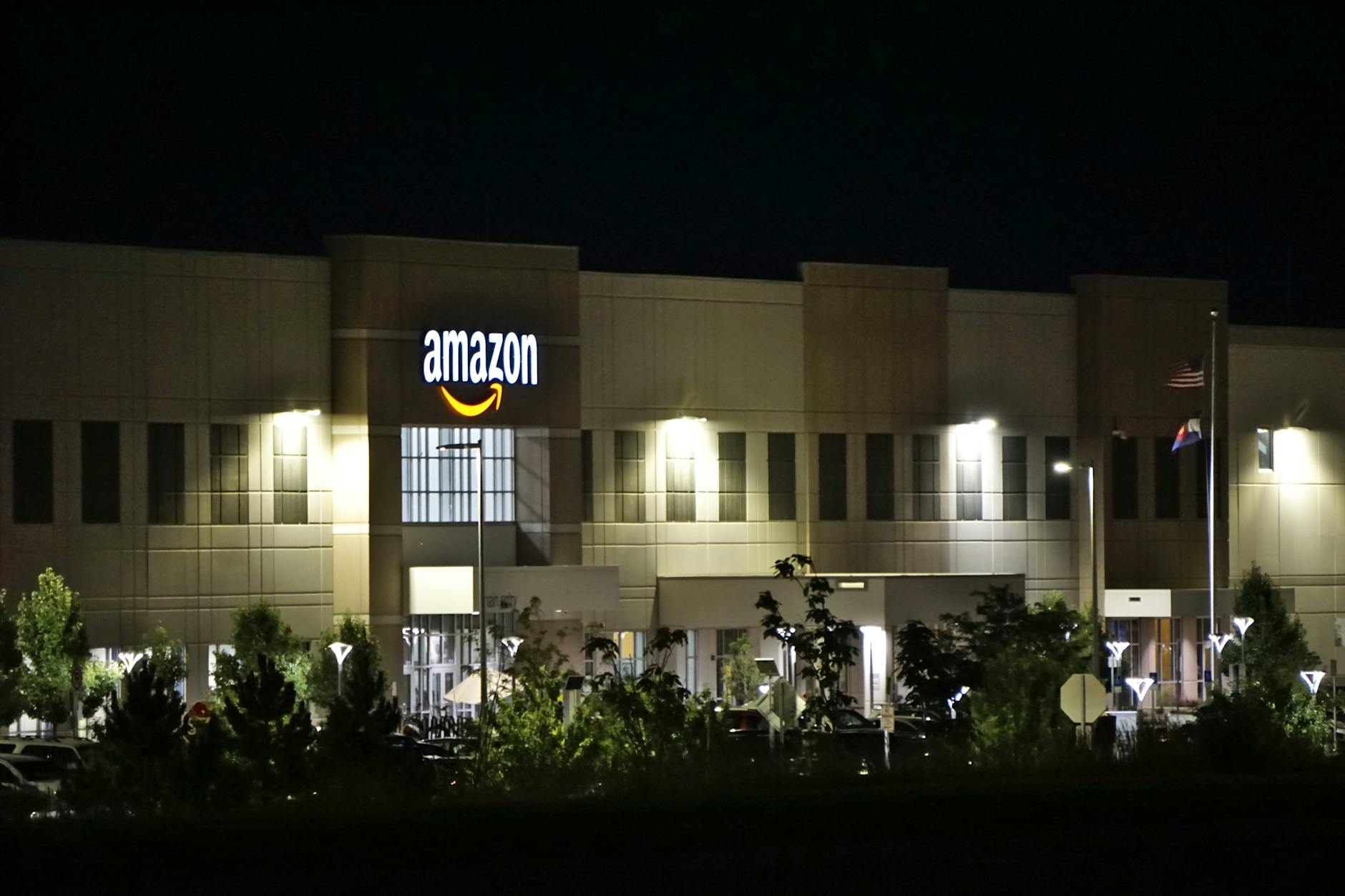
Amazon FBA vs FBM
Overview
In the ever-evolving e-commerce landscape, Fulfillment by Amazon (FBA) and Fulfillment by Merchant (FBM) represent two distinct, yet equally vital, models for order fulfillment. FBA allows sellers to store products in Amazon’s vast network of fulfillment centers, where Amazon takes care of storage, packaging, shipping, and even customer service for those orders. In contrast, FBM enables sellers to retain complete control over these processes, managing their own inventory, warehousing, and shipping operations. Each method boasts specific advantages and disadvantages, making them suitable for different business models, product types, and strategic objectives.
Etymology and Origins
The terms Fulfillment by Amazon and Fulfillment by Merchant arose directly from the operational distinctions Amazon introduced for its third-party marketplace sellers. Before 2006, e-commerce fulfillment was primarily Fulfillment by Merchant by default, as sellers were solely responsible for their inventory and shipping. This model, rooted in traditional direct-to-consumer (DTC) sales, leveraged existing postal services and private carriers to deliver goods directly from the merchant to the customer.
Birth of FBA
Amazon launched its Fulfillment by Amazon (FBA) service in September 2006. The primary motivation was to extend Amazon's formidable logistics infrastructure – initially built for its own retail operations – to third-party sellers. This allowed Amazon to offer a seamless, Prime-eligible experience across its entire marketplace, enhancing customer trust and increasing overall sales velocity. The term FBM then emerged as a necessary counterpoint, distinguishing sellers who managed their own fulfillment from those leveraging Amazon's new service. This nomenclature reflected a significant shift in e-commerce, offering sellers an unprecedented choice in how they manage their supply chains and customer experience.
Historical Development
The Pre-FBA Era: Merchant-Centric Fulfillment
Prior to the mid-2000s, e-commerce fulfillment was inherently FBM. Sellers, whether small online shops or large retailers transitioning to online sales, managed their entire supply chain. This involved manual inventory tracking, warehousing, picking, packing, and shipping. The technology available to assist merchants ranged from basic spreadsheets to nascent Warehouse Management Systems (WMS) and Order Management Systems (OMS). Early e-commerce platforms like eBay and initial versions of Amazon's marketplace provided storefronts, but the logistical burden remained squarely with the merchant. This period saw the informal rise of third-party logistics (3PL) providers who offered outsourced fulfillment for merchants who didn't want to build their own capabilities but still wanted to retain FBM control.
2006: The Dawn of FBA and a Bifurcated Market
- September 2006: Amazon launched FBA, revolutionizing third-party selling. It offered sellers a way to access Amazon's sophisticated logistics and inventory management expertise, significantly promoting greater sales volumes through Prime eligibility. This move was a game-changer, addressing pain points like storage, handling, and shipping speed that many small and medium-sized businesses struggled with.
- The immediate impact was the creation of two distinct fulfillment paths. FBA promised convenience, scalability, and access to Amazon's loyal Prime customer base. FBM, while retaining full control for the seller, became synonymous with self-reliance, requiring robust in-house inventory management and shipping operations.
The 2010s: Growth and Specialization
- Early 2010s: As FBA gained traction, more sellers migrated, particularly those dealing with high-volume, low-margin goods where Amazon's efficiency could drive profitability. Reports from industry analysts indicated a rising number of sellers opting for FBA, leading to improved visibility and sales due to Prime benefits and Amazon's trusted brand.
- Mid-2010s: The rise of platforms like Shopify empowered FBM sellers, providing advanced tools for storefronts, payment processing, and integrations with shipping carriers. This period saw increased investment in logistics technology by FBM merchants, including cloud-based WMS and OMS solutions, allowing them to compete more effectively with FBA's speed and reliability. Specialized software like SkuSavvy's Shopify WMS became crucial for managing inventory and orders across multiple channels.
- 2015-2019: FBM continued to be a preferred model for sellers dealing with oversized, fragile, or high-value items that incurred high FBA fees or required specialized handling. Artisanal goods, custom products, and brands with strong direct customer relationships often opted for FBM to maintain brand control over the entire customer experience, including packaging and delivery.
2020s and Beyond: Adaptability and Hybrid Models
- 2020: The COVID-19 pandemic dramatically accelerated e-commerce growth, placing immense strain on global supply chains. Amazon's FBA operations faced temporary restrictions on non-essential goods, prompting many FBA sellers to temporarily pivot to FBM or adopt a hybrid strategy to maintain sales. This period highlighted the importance of logistics resilience and diversification, prompting businesses to re-evaluate single-channel reliance.
- The post-pandemic era has seen a rise in sophisticated hybrid models, where sellers use FBA for their fastest-moving, standard items and FBM (often powered by a 3PL or robust in-house WMS) for specialized products, international orders, or direct-to-consumer channels. This strategic flexibility allows businesses to optimize costs, speed, and brand control across their diverse product lines and customer segments. Modern FBM solutions often leverage mobile order fulfillment software and detailed workflow management to streamline operations from receiving to dispatch.
Sources
- Amazon.com Announces Fulfillment Services for Businesses
- The Past, Present, and Future of 3PL
- Amazon gets its fulfillment groove
- Supply Chain Recovery and Resilience in the New Normal
- Mobile Warehouse Management System
- Order Management System
- Visual Inventory Management System
- Pick, Pack, Ship Software
- Shopify WMS
- Mobile Order Fulfillment Software
- Workflows Overview
- Shipping & Fulfillment Software
- Amazon FBA vs. FBM: The best e-commerce fulfillment strategy for your business
- The Hidden Costs of Manual Inventory Management
- WMS vs ERP Analysis
- The Commercialization of the Postal Service: A Business History