Advanced Planning in Logistics
Explore the significance, evolution, and methodologies of advanced planning in logistics, including its historical development and core concepts.
Updated
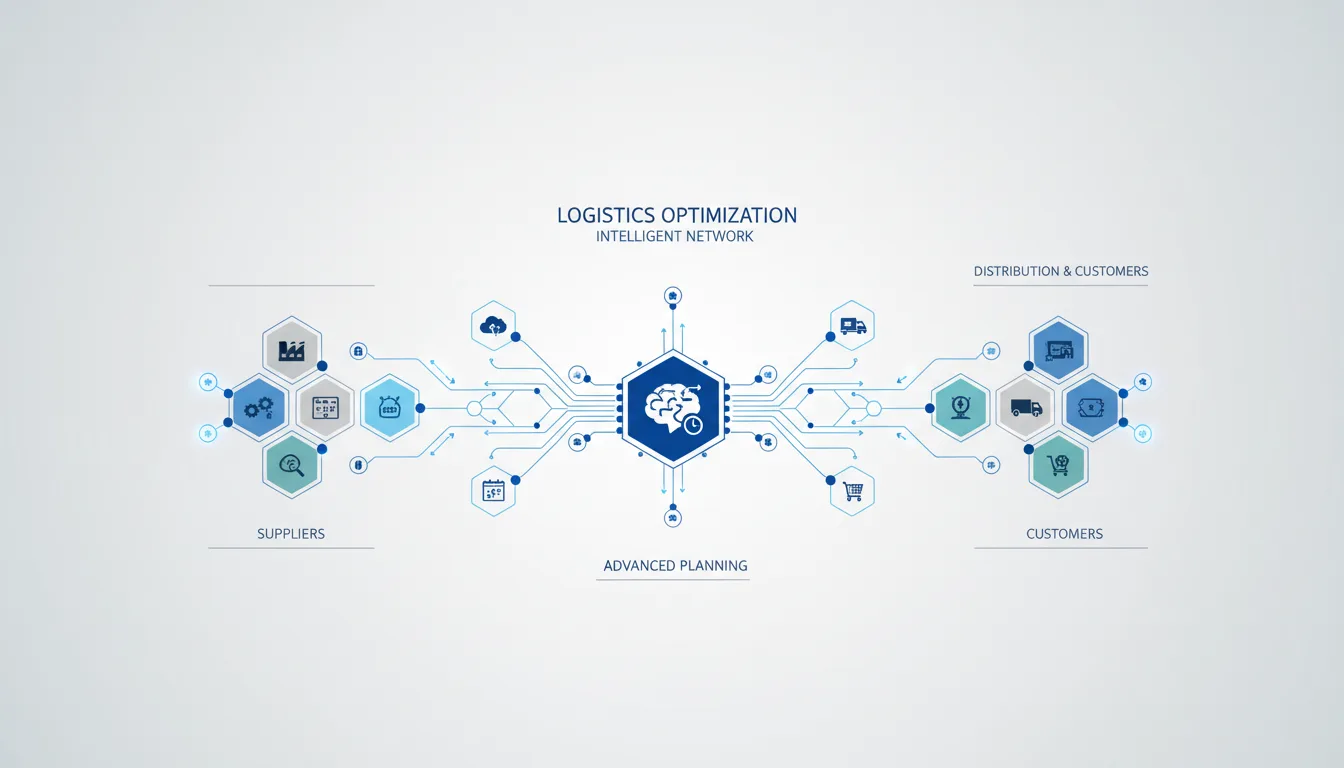
Advanced Planning in Logistics
Overview
Advanced planning refers to a set of methodologies and tools designed to optimize decision-making within logistics and supply chain management. This approach enhances the efficiency of operations by predicting demand, optimizing inventory levels, and synchronizing the flow of goods through the supply chain. Its importance lies in improving customer satisfaction while minimizing costs, which is essential in today's competitive landscape.
Etymology and Origins
The term "advanced planning" first emerged in the late 20th century, reflecting a shift from traditional, reactive approaches in logistics to more proactive methodologies. The linguistic roots can be traced back to concepts of forecasting and strategic planning, which emphasize foresight in operational execution. Over the decades, the evolution of this terminology reflects a growing recognition of the importance of predictive analytics and preemptive strategies in the realm of logistics and supply chain management.
Historical Development
Advanced planning has evolved significantly over decades:
- 1960s-1970s: The introduction of materials requirement planning (MRP) software marked the beginning of systematic advanced planning efforts in manufacturing.
- 1980s: The development of just-in-time (JIT) systems by companies like Toyota represented a shift towards leaner inventory management practices to reduce waste and increase efficiency. Note: Toyota introduced JIT around 1970, so need to specify that.
- 1990s: The rise of enterprise resource planning (ERP) systems integrated various business functions, leading to more sophisticated planning capabilities. This integration paved the way for systems to handle logistics, finance, and manufacturing within a single architecture, allowing for more holistic decision-making processes.
- 2000s and beyond: The advent of artificial intelligence (AI) and machine learning has propelled advanced planning systems into the realm of predictive analytics and real-time decision-making. Companies began leveraging data from various sources to enhance forecasting accuracy and optimize supply chain operations.
Seminal publications, such as the book Supply Chain Management: Strategy, Planning, and Operation by Sunil Chopra and Peter Meindl, have also contributed to the theoretical framework surrounding advanced planning. Additionally, academic papers on this subject have further refined the methodologies used today.
Core Concepts
At the heart of advanced planning are several core concepts:
- Forecasting: Predicting future demand through historical data analysis and statistical methods. Modern forecasting often incorporates advanced algorithms to improve accuracy and reliability.
- Inventory Optimization: Balancing stock levels to meet demand without incurring excess carrying costs. Techniques like ABC analysis help prioritize inventory management, ensuring that resources are allocated effectively.
- Production Planning: Aligning manufacturing capabilities with demand forecasts to minimize bottlenecks and inefficiencies. This is critical in balancing supply with fluctuating customer demand.
- Collaborative Planning: Engaging stakeholders across the supply chain to ensure alignment of objectives and resource allocation. This approach fosters cooperation between departments, leading to improved efficiency and agility.
Types and Classifications
Advanced planning encompasses several methodologies and software solutions, including:
- Sales and Operations Planning (S&OP): A process that aligns supply and demand through collaborative decision-making.
- Demand Planning: Techniques specifically aimed at forecasting future customer demand, often utilizing advanced statistical methods and tools.
- Supply Chain Network Design: An analytical approach to optimize the configuration of the supply chain, including warehouse placement and transportation routes to ensure efficiency and cost-effectiveness.
Industry Applications
Advanced planning is utilized across various industries:
- Manufacturing: Companies implement advanced planning systems to streamline production schedules and manage resource constraints effectively, leading to higher operational efficiency and lower costs.
- Retail: Sophisticated demand forecasting helps retailers maintain optimal inventory levels, enhancing customer service. For example, Target has leveraged data analytics to optimize inventory management and tailor product offerings to customer preferences.
- Healthcare: Ensuring critical supplies are available through advanced supply chain planning is critical in emergency situations, like the COVID-19 pandemic, where effective planning saved lives by ensuring the timely delivery of essential supplies.
Benefits and Advantages
The implementation of advanced planning offers numerous advantages:
- Cost Reduction: Optimization of inventory and resource allocation leads to significant cost savings by reducing excess stock and waste.
- Improved Responsiveness: Organizations can adapt more quickly to changes in market demand, reducing lead times and enhancing service levels.
- Enhanced Accuracy: Advanced analytics allow for more precise forecasting, minimizing stockouts and overstocks, which directly impacts customer satisfaction and operational effectiveness.
Challenges and Limitations
Despite its benefits, advanced planning is not without challenges:
- Data Quality: Inaccurate data can lead to poor forecasting outcomes and detrimental decision-making processes.
- Complexity: The integration of advanced planning systems within existing workflows can be technically challenging, requiring employee training and change management strategies.
- Change Management: Organizations may encounter resistance when attempting to adopt new methodologies or technologies for planning and logistics management.
Best Practices
To maximize the effectiveness of advanced planning, companies should:
- Invest in high-quality data management systems to ensure accuracy and reliability in forecasting.
- Foster collaboration among departments to synchronize supply chain activities and enhance operational efficiency.
- Continuously review and adjust forecasting methods to reflect real-time market changes and consumer behaviors, which is critical in today's fast-paced environment.
Technology and Tools
Modern advanced planning leverages various technologies such as:
- Artificial Intelligence (AI): For predictive analytics and automated decision-making processes, significantly increasing the speed and accuracy of planning activities.
- Supply Chain Management (SCM) Software: Tools that integrate various aspects of logistics and planning to streamline operations. Organizations can utilize a visual inventory management system to enhance inventory visibility and control, which is pivotal in advanced inventory strategies.
Future Trends
The future of advanced planning will likely see:
- Greater emphasis on AI and machine learning for predictive capabilities that adapt to market volatility and customer demands.
- A rise in real-time data analytics, enabling more adaptive planning strategies and quicker response times.
- Increased integration of sustainability considerations in planning processes, as businesses prioritize reducing their environmental impact in logistics and supply chain practices.
Related Concepts
Advanced planning is closely related to concepts such as production scheduling, inventory management, and supply chain optimization. Understanding the interplay between these areas can further enhance operational effectiveness and economic efficiency.