Advanced Inventory Management
Advanced Inventory Management enhances efficiency in logistics through strategic practices, technology, and methodologies.
Updated
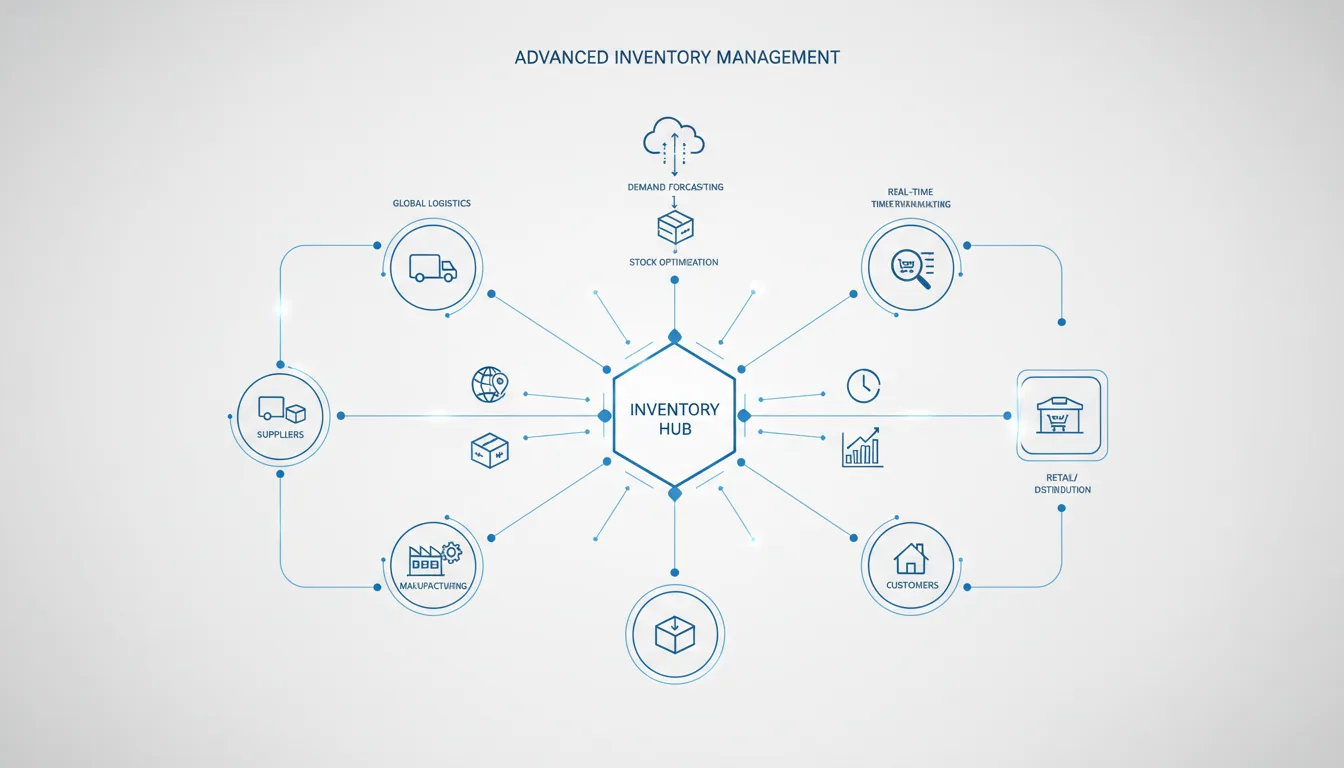
Advanced Inventory Management
Overview
Advanced Inventory Management (AIM) refers to a comprehensive approach to managing stock levels, optimizing inventory turnover, and improving the accuracy of inventory records. This method is crucial for modern logistics as it helps businesses meet customer demands while minimizing carrying costs. AIM practices integrate technology, data analysis, and logistics strategies to manage inventory effectively, ensuring products are available when needed without overstocking. As a result, companies that implement AIM often see reduced stockouts and enhanced cash flow management.
Etymology and Origins
The term "inventory management" first emerged in the 1960s, during a period when businesses began recognizing the importance of inventory control as a factor in operational efficiency. Its roots can be traced back to the Latin word "inventarium," meaning a list of goods. The evolution of this term reflects a shift from simple record-keeping to a complex system involving technology and strategic planning throughout the decades.
Historically, businesses managed inventory with rudimentary methods that included manual counting and ledgers. The introduction of computerized systems in the late 20th century marked a significant advancement in inventory practices. Over time, methodologies such as Just-In-Time (JIT) and Economic Order Quantity (EOQ) emerged, further enhancing AIM strategies.
Historical Development
The historical development of Advanced Inventory Management can be chronologically divided into several key milestones:
- 1960s: The initial concepts of inventory management are articulated in business literature, and formal methodologies begin to take shape.
- 1980s: The introduction of computer systems revolutionizes inventory tracking, allowing for better record-keeping and reporting.
- 1990s: The proliferation of Enterprise Resource Planning (ERP) systems integrates AIM with other business functions, facilitating real-time data access.
- 2000s: The advent of automation tools and sophisticated algorithms improves inventory forecasting, leading to better stock optimization.
- 2010s and beyond: The integration of Artificial Intelligence (AI) and machine learning further refines inventory management by analyzing vast amounts of data to predict trends and optimize stock replenishment practices.
Key industry pioneers, such as Toyota with its JIT methodology, have set standards that many organizations now follow. Seminal publications, including “The Goal”, have outlined essential practices and theories that shape current AIM practices.
Notable publications and academic papers, like the Journal of Inventory Management (ScienceDirect), have documented the evolution of inventory management practices and their impact on supply chain efficiency. Major industry changes, such as the adoption of ISO standards and advancements in logistics technology, have also played a crucial role in influencing AIM adoption and methodologies.
Best Practices and Insights
To implement effective AIM, organizations should consider the following best practices:
- Automate Processes: Leveraging tools like modern WMS systems can streamline inventory management and enhance operational efficiency.
- Utilize Real-time Data: Implementing data analytics allows businesses to forecast demand accurately and proactively manage inventory levels.
- Adopt a Cycle Counting Method: Regular cycle counts instead of full physical inventory can help maintain accuracy and keep stock levels in check, as detailed in the Cycle Counting Guide.
- Collaborate with Suppliers: Maintaining a strong relationship with suppliers is essential for ensuring timely replenishment and reducing lead times.
Case Study: Toyota’s JIT Methodology
Toyota’s Just-In-Time (JIT) methodology serves as a prime example of successful Advanced Inventory Management in practice. By closely aligning deliveries with production schedules, Toyota minimizes excess inventory and reduces storage costs, resulting in increased profitability. The company's strategic vision emphasizes the importance of precise inventory control, which has significantly influenced modern inventory practices across various industries.
Conclusion
Advanced Inventory Management is a dynamic and evolving field that requires continuous adaptation to technology and market trends. By applying best practices and learning from historical developments, businesses can enhance their inventory strategies, ultimately improving operational efficiency and customer satisfaction.