Overview
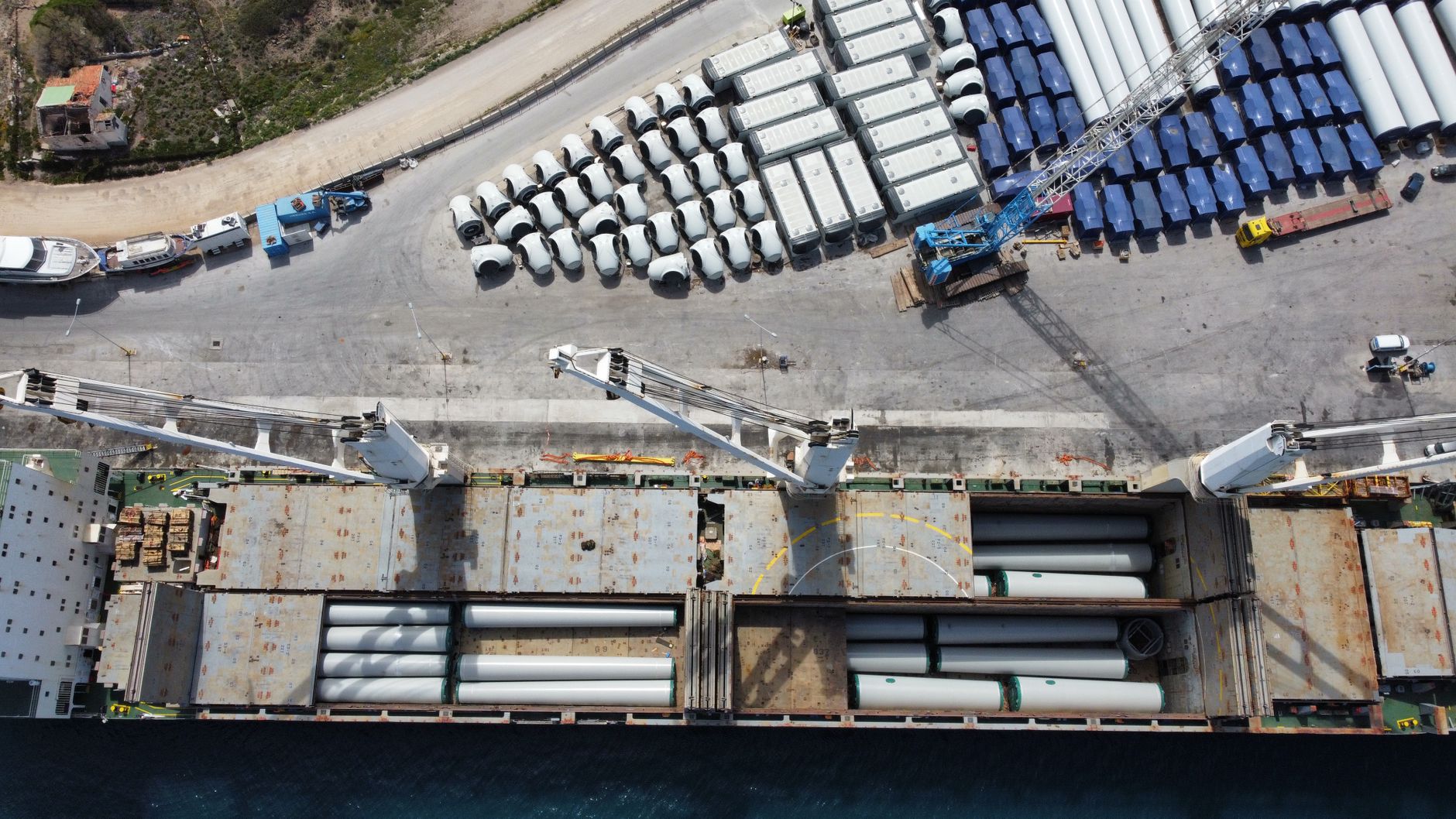
Wind turbine component logistics refers to the intricate management and transportation of large, often specialized, parts required for the construction, installation, and ongoing maintenance of wind turbines. With the rapid global expansion of the renewable energy sector, especially wind energy, effective logistics practices are paramount to ensure project efficiency, minimize costs, and meet stringent deadlines. The critical importance of this logistics specialization is underscored by the increasing global demand for wind energy, which accounted for approximately 8.4% of global electricity production in 2020, a figure that has continued to grow since then. This sector involves a highly complex supply chain, often spanning multiple continents for manufacturing, assembly, and final installation.
Etymology and Origins
The term "logistics" itself has deep historical roots, predominantly tracing back to military science. Its earliest recorded usage can be attributed to Antoine-Henri Jomini, a Swiss military theorist, who in his 1838 work, The Art of War, defined "logistics" as "the practical art of moving armies." This original concept emphasized the intricate coordination of troop movements, supplies, and provisions to support military operations 5. The word itself is derived from the French logistique, which relates to loger (to lodge) and logis (lodging or quarters), often linked to a maréchal de logis (quartermaster).
Over time, the application of logistics principles expanded beyond military contexts into business and industrial management, particularly following World War II, as companies began to recognize the strategic value of efficient supply chain management 6. The specific terminology for "wind turbine component logistics" evolved much later, alongside the commercialization and industrial scaling of wind power in the late 20th century. Key terms such as "supply chain management" and "inventory control," which underpin modern logistics, became integral to describing the efficient movement and storage of wind turbine components from global manufacturers to often remote installation sites.
Historical Development
Early Beginnings (Pre-1980s)
While rudimentary wind power has existed for centuries, the modern era of wind turbine technology began to take shape in the mid-20th century. Early experimental and small-scale commercial wind turbines, such as those developed in Denmark and Germany, involved simpler logistics, often sourcing components locally. The real logistical challenges emerged as turbines grew in size and power output. Early pioneers focused more on engineering and less on the complex global supply chains that would later define the industry 7.
The Rise of Commercial Wind Farms (1980s-1990s)
The 1980s marked a significant period for wind power, with the first commercial wind farms appearing in countries like the United States and Denmark. This era saw a rapid increase in turbine size and the need for more structured logistics. Pioneering companies like Vestas and GE Renewable Energy began large-scale production, necessitating robust supply chain frameworks. Logistics during this period began incorporating practices like Just-in-Time (JIT) delivery for smaller components and more sophisticated material handling for the increasingly large blades and nacelles. The introduction of early computerized inventory systems and the burgeoning internet started to change how parts were ordered and tracked, albeit in a nascent form compared to today 8.
Globalization and Advanced Systems (2000s-Present)
The 2000s ushered in an era of globalization for the wind industry, with manufacturing shifting to optimize costs and access materials. Turbine components, particularly blades, nacelles, and tower sections, grew exponentially in size, posing unprecedented transportation challenges. This period saw the widespread adoption of advanced logistics technologies:
- Integrated Supply Chain Management (SCM) Systems: Companies moved towards enterprise resource planning (ERP) systems with integrated SCM modules to manage the global flow of materials and information 9.
- Advanced Forecasting and Planning: Sophisticated software tools for demand forecasting became crucial to manage long lead times and prevent stockouts for specialized components. The National Institute of Standards and Technology (NIST) has actively promoted research in manufacturing and supply chain efficiency, indirectly influencing these developments.
- Automation and Tracking: Technologies like RFID (Radio-Frequency Identification) became instrumental in streamlining the tracking and management of turbine components from diverse suppliers to distant installation sites. This enabled greater visibility and reduced manual errors in inventory management.
- Offshore Wind Development: The emergence of offshore wind farms presented unique logistical hurdles, requiring specialized heavy-lift vessels, port infrastructure, and complex marine operations for installation and maintenance, pushing the boundaries of traditional logistics 10.
Today, the industry continues to innovate, leveraging artificial intelligence, machine learning, and advanced analytics to optimize routes, predict maintenance needs, and manage increasingly complex and global supply chains.
Core Concepts
The logistics of wind turbine components involve several interconnected core principles, each critical for successful project execution:
-
Supply Chain Management (SCM): This overarching concept involves overseeing the entire flow of materials, information, and finances from raw material suppliers through manufacturers, distribution centers, and ultimately to the installation and maintenance sites. For wind turbines, this means coordinating dozens of primary suppliers (e.g., for blades, gearboxes, generators, tower sections) and hundreds of secondary suppliers across multiple continents. Effective SCM is crucial for managing lead times, quality control, and cost efficiency in a globalized industry 11.
-
Inventory Management: Given the high value and long lead times of components, precise inventory management is essential. This includes practices such as cycle counting, which ensures parts are accurately tracked and replenished to support construction timelines and maintenance schedules. Modern visual inventory management systems help in maintaining real-time visibility of stock levels and locations, reducing delays and storage costs, and preventing obsolescence or damage to sensitive parts.
-
Transportation and Routing: This is arguably the most challenging aspect due to the enormous size and weight of components. Blades can exceed 100 meters in length, and nacelles can weigh hundreds of tons. This requires:
- Specialized Vehicles: Multi-axle trailers, self-propelled modular transporters (SPMTs), and heavy-lift vessels.
- Route Planning: Extensive planning to navigate infrastructure limitations (bridges, tunnels, tight turns), secure necessary permits, and manage escorts 12.
- Intermodal Transport: Combining sea freight, rail, and road to optimize cost and feasibility for different segments of the journey.
-
Warehouse Operations: Effective management of storage areas for parts is crucial, particularly for buffer stock or components awaiting final transport. Strategies such as cross-docking are employed to minimize handling and improve efficiency, moving components directly from inbound to outbound transport with minimal intermediate storage. For long-term storage or kitting of smaller components, mobile warehouse management systems can significantly enhance accuracy and operational speed.
-
Project Logistics: A specialized form of logistics focused on the planning, management, and control of the flow of goods, resources, and information for large-scale, complex projects like wind farm construction. It differs from traditional logistics by its temporary nature, high customization, and focus on overcoming unique challenges associated with remote locations and oversized cargo 13.
Challenges and Limitations
Logistics of wind turbine components faces various formidable challenges:
- Transportation Complexity: The sheer scale of components (e.g., turbine blades now exceeding 80-100 meters, nacelles weighing over 100 metric tons) necessitates specialized transport solutions and extensive route surveys. Navigating existing infrastructure, like narrow roads, bridges with weight limits, and urban areas, often requires temporary modifications or detours, significantly adding to costs and planning time.
- Supply Chain Disruptions: Global events such as pandemics (e.g., COVID-19), geopolitical conflicts, or natural disasters (e.g., extreme weather affecting shipping lanes) can cause significant delays in production and transportation, leading to project timeline overruns and increased costs. The "bullwhip effect" is a notable challenge in this context, where small fluctuations in demand at the retail end can lead to larger fluctuations up the supply chain.
- Regulatory Compliance and Permitting: Adhering to diverse international shipping regulations, customs procedures, and local transportation laws across multiple jurisdictions adds layers of complexity. Obtaining necessary permits for oversized loads can be a lengthy and unpredictable process, varying significantly by region and country 14.
- Storage and Handling: Large components require vast, specialized storage facilities and heavy-duty cranes or lifting equipment at ports and construction sites. Exposure to elements during transit or storage can also pose risks to sensitive components.
- Cost Management: The specialized nature of transport, long distances, and potential for delays make cost management a continuous challenge. Fuel price volatility, labor costs, and unexpected surcharges can significantly impact project budgets.
Best Practices
To enhance the effectiveness of wind turbine logistics, several best practices are critical:
- Integrated Technology Solutions: Leveraging advanced software for end-to-end supply chain visibility. This includes order management systems to track component orders, purchase order management for procurement, and robust warehouse management systems (WMS) that provide real-time tracking, inventory management, and demand forecasting. These systems facilitate predictive analytics, optimizing resource allocation and minimizing risks 15.
- Collaborative Partnerships: Building strong, long-term relationships with specialized suppliers, logistics providers (including heavy-lift carriers), and port authorities. Early involvement of logistics experts in project planning can identify potential bottlenecks and optimize transport routes and methods 16.
- Risk Management and Contingency Planning: Developing comprehensive risk assessments for potential disruptions (e.g., weather, political instability, supplier failure) and creating detailed contingency plans. This includes identifying alternative routes, suppliers, and storage options.
- Sustainability Considerations: Integrating sustainable practices throughout the logistics chain, such as optimizing routes to reduce fuel consumption and emissions, utilizing intermodal transport (e.g., rail or sea for long hauls), and exploring electric heavy-duty vehicles where feasible. This aligns with the broader environmental goals of the wind energy sector itself.
- Modularization and Pre-Assembly: Where possible, designing turbines for modular transport and pre-assembly of components at or near the port of entry can reduce on-site construction time and complexity, simplifying final-mile logistics.
Future Trends
As the wind energy sector continues its robust growth, particularly with the expansion of offshore wind, we can expect significant advancements in logistics to revolve around:
- Increased Automation and AI: More widespread use of robotics in warehouses for handling smaller components, AI-driven route optimization, and predictive analytics for maintenance schedules and inventory management. AI will be crucial for managing the immense data generated by global supply chains to identify efficiencies and predict disruptions 17.
- Digital Twins and Blockchain: Implementation of digital twin technology could enhance inventory accuracy, demand forecasting, and real-time tracking of components throughout their lifecycle, from manufacturing to decommissioning. Blockchain technology may provide enhanced transparency and traceability across complex, multi-party supply chains, improving trust and efficiency.
- Advanced Data Analytics and IoT: Enhanced use of Internet of Things (IoT) sensors on components and transport vehicles to provide real-time data on location, condition (e.g., vibration, temperature), and environmental factors. This data, combined with advanced analytics, will enable proactive risk management and optimize operational decisions.
- Eco-Friendly and Circular Logistics: An increasing focus on sustainable logistics practices, including the use of alternative fuels (e.g., hydrogen, electric) for transport, optimizing vessel and vehicle loading to reduce carbon footprints, and developing circular economy models for component recycling and reuse at the end of a turbine's life cycle. This includes exploring reverse logistics for decommissioning old turbines and recycling their materials.
- Next-Generation Heavy-Lift Solutions: Development of even larger and more specialized vessels and land transport equipment, potentially including airships or advanced drone technology for specific high-value, critical components in remote areas.
Related Concepts
Logistics for wind turbine components is closely related to various concepts in the broader logistics and supply chain sectors, including:
- Manufacturing Logistics: The coordination of materials, components, and finished goods within and between manufacturing facilities involved in the production of turbine components, often across several countries.
- Project Logistics: A specialized field dealing with the movement and coordination of oversized, heavy, or critical equipment for large-scale construction or infrastructure projects, directly applicable to wind farm development.
- Renewable Energy Supply Chains: Specifically addressing the unique supply and distribution networks required for all sustainable energy initiatives, including solar, hydro, and geothermal, often sharing similar challenges with wind power logistics.
- Reverse Logistics: Managing the return of goods from the point of consumption back to the point of origin for repair, reuse, recycling, or proper disposal, becoming increasingly important for turbine decommissioning.
By understanding and continuously improving these specialized logistics strategies, stakeholders in the wind energy industry can enhance operational efficiency, reduce environmental impact, and reliably meet the increasing global demands for sustainable energy.