Overview
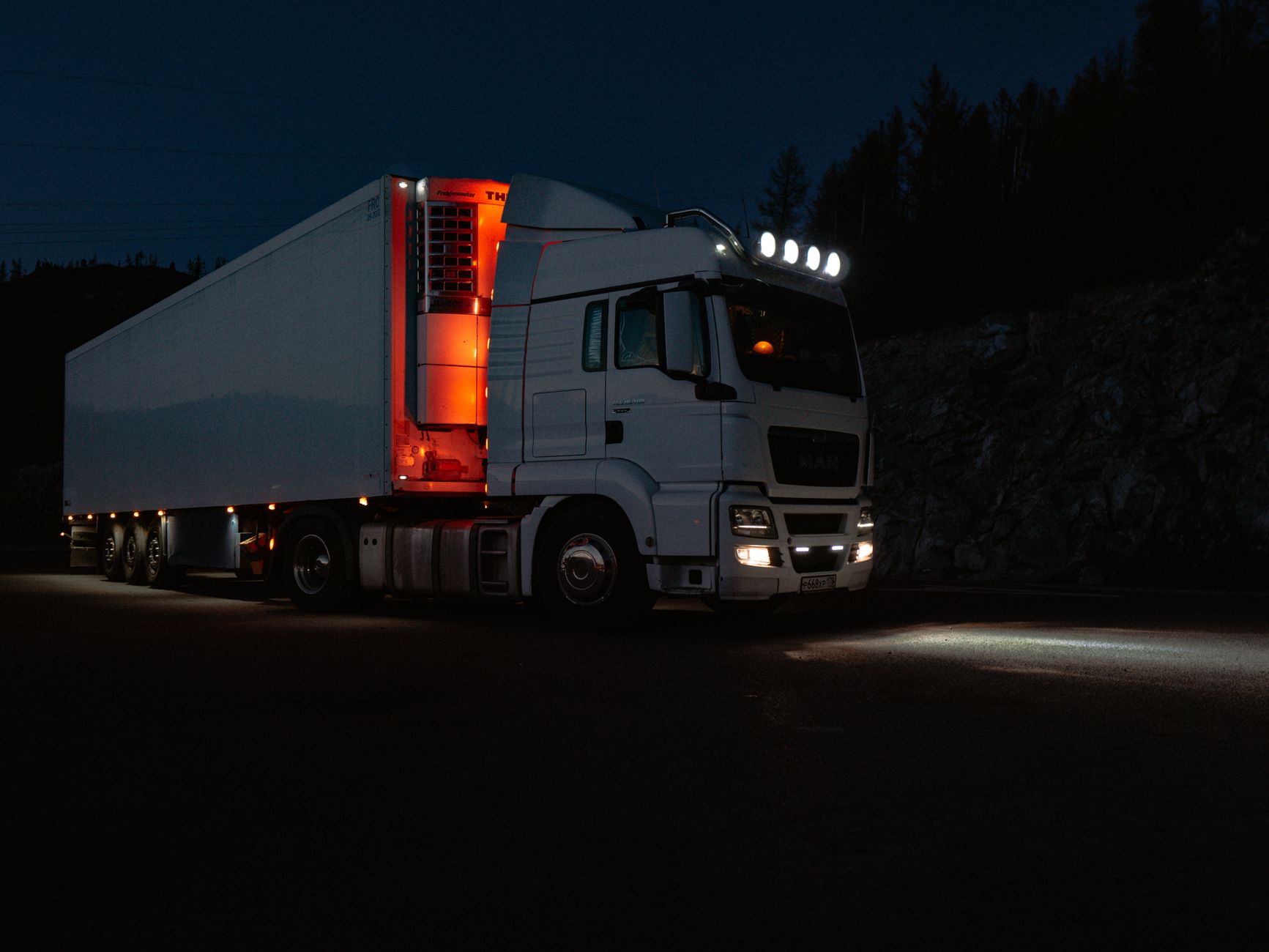
Truck Turnaround Time (TTR) refers to the duration that a truck spends at a facility from its arrival to its departure. This critical metric in logistics and supply chain management directly impacts overall operational efficiency, costs, and customer satisfaction. Efficient turnaround times are essential for maintaining optimal flow within supply chains, reducing delays, and improving service levels. Logistics professionals aim to minimize TTR to ensure that trucks can load and unload cargo promptly, facilitating quicker deliveries and reduced operational costs. For instance, a one-hour reduction in TTR can translate into significant cost savings and increased fleet utilization, potentially allowing for more deliveries per day per truck.
Etymology and Origins
The term "turnaround" itself, referring to the act or process of turning around or a period required for doing so, dates back to the early 20th century [5]. Its specific application to the "turnaround time" of vehicles in transportation, such as ships or aircraft, gained prominence as industries began to focus on efficiency and throughput. The Merriam-Webster dictionary defines "turnaround" as "the time required for an aircraft or ship to unload, service, and reload" [6].
In the context of logistics and ground transportation, the concept evolved as businesses sought ways to streamline the flow of goods through warehouses, distribution centers, and ports. Initially, this focused on the physical loading and unloading processes. However, as supply chains grew in complexity, the definition of TTR expanded to encompass all associated processes, including documentation, security checks, and vehicle staging, recognizing that every minute a truck spends idle at a facility represents lost opportunity and increased cost.
Historical Development
The systematic management of truck turnaround time began gaining significant prominence in the post-World War II era, as the transportation industry expanded rapidly to support global commerce and consumer demand. Early efforts were often rooted in the principles of Scientific Management, seeking to optimize manual processes.
A pivotal development was the advent of containerization in the mid-1950s, pioneered by Malcom McLean. This innovation dramatically standardized freight handling, drastically reducing the manual labor and time required for ship and, subsequently, truck loading and unloading at ports and terminals [7].
During the 1950s and 60s, the application of Operations Research techniques and quality improvement methodologies, championed by figures such as W. Edwards Deming, played a pivotal role in shaping modern logistics practices. These methodologies emphasized data-driven analysis to identify bottlenecks and reduce waste in all operational aspects, including truck handling.
The 1970s and 80s saw the rise of computerized inventory management and production planning. The implementation of Material Requirements Planning (MRP) systems, and later Manufacturing Resource Planning (MRP II), highlighted the interconnectedness of production schedules and transportation lead times. Crucially, the popularization of Just-In-Time (JIT) manufacturing principles, notably by Toyota, further emphasized the importance of minimizing delays throughout the entire supply chain, making efficient TTR a critical success factor.
The 1990s and early 2000s witnessed the widespread adoption of technologies like the Electronic Data Interchange (EDI), which facilitated real-time communication between shipping companies, carriers, and facilities. This significantly impacted turnaround times by reducing delays in paperwork processing and improving scheduling accuracy. Concurrently, the emergence of dedicated Warehouse Management Systems (WMS) began to optimize internal warehouse processes, from receiving to shipping, directly influencing TTR.
In the 21st century, propelled by the e-commerce boom and the demand for faster deliveries, TTR has become an even more scrutinized metric. Advances in real-time visibility through GPS, IoT sensors, and advanced analytics have enabled companies to monitor and optimize TTR with unprecedented precision.
Core Concepts
Understanding Truck Turnaround Time involves several key components and related metrics:
- Arrival and Dispatch Times: Precise measurement of when a truck enters (gate-in) and leaves (gate-out) a facility is fundamental. This defines the overall TTR window.
- Dwell Time: This is a closely related metric, often used interchangeably or as a component of TTR, referring specifically to the time a truck spends idle at a facility. It includes waiting to be docked, loading/unloading, and waiting for paperwork.
- Loading and Unloading Efficiency: The speed and effectiveness at which cargo is physically moved onto or off the truck significantly influences TTR. This encompasses staging, labor availability, equipment efficiency, and facility layout.
- Documentation Processing: Delays in verifying orders, generating bills of lading, customs declarations, or safety checks can add substantial time. Efficient administrative processes, often digitized, are crucial here.
- Appointment Scheduling: Implementing robust dock scheduling systems helps manage truck flow, minimize waiting times, and prevent congestion by assigning specific time slots for arrivals and departures.
- Communication and Technology: Integrating technologies such as real-time tracking, Yard Management Systems (YMS), and automated systems like Mobile WMS can streamline operations, provide visibility, and reduce TTR substantially by coordinating activities.
- Driver Compliance and Experience: Ensuring drivers have clear instructions, easy access, and minimal administrative burdens contributes to faster turnarounds.
Industry Applications
Truck turnaround time is a critical performance indicator across various sectors, impacting different facets of their operations:
- Retail and E-commerce: In fast-paced logistics, especially in e-commerce, reducing TTR directly translates to improved delivery speed to customers, enhancing satisfaction and competitiveness. Quick turnarounds at distribution centers are vital for meeting tight delivery windows.
- Manufacturing: Manufacturing lines depend on timely, just-in-time deliveries of raw materials and components, thus minimizing TTR for inbound freight is essential for maintaining production schedules and preventing costly line stoppages.
- Distribution Centers: Efficient turnaround times in distribution centers (DCs) are paramount to maximize throughput, reduce yard congestion, and ensure the continuous flow of goods to retail stores or end-consumers. This is particularly important for cross-docking operations where goods are moved directly from inbound to outbound.
- Food & Beverage: For perishable goods, minimizing TTR is critical to maintain product freshness, reduce spoilage, and comply with strict temperature control requirements.
- Construction: Timely delivery of materials to construction sites is crucial for project timelines. Delays can halt progress, leading to significant cost overruns.
Challenges and Limitations
While optimizing TTR is highly desirable, several inherent and external challenges persist:
- Port and Terminal Congestion: In many regions, trucking operations are severely affected by congestion at ports, rail yards, and busy terminals, leading to extended waiting times that are often beyond the control of individual facilities or carriers [8].
- Labor Availability and Skill: A shortage of skilled labor, including truck drivers, dock workers, and forklift operators, can lead to slower loading and unloading processes, directly increasing TTR. Turnover rates also affect efficiency.
- Infrastructure Limitations: Poor road conditions, traffic bottlenecks, inadequate facility design (e.g., insufficient dock doors, tight maneuvering space), and lack of sufficient parking can impede efficient truck movement.
- Environmental Factors: Adverse weather conditions (e.g., snow, ice, heavy rain, fog) can affect road conditions, truck speeds, and even outdoor loading/unloading operations, consequently increasing turnaround times.
- Unforeseen Delays: Equipment breakdowns, unexpected safety inspections, inaccurate paperwork, or late arrivals can all cascade into significant delays that inflate TTR.
- Peak Season Fluctuations: During peak seasons (e.g., holidays, sales events), increased freight volumes often overwhelm facility capacity, leading to longer queues and higher TTRs.
Best Practices
To effectively manage and significantly reduce truck turnaround time, logistics providers, shippers, and facility operators may adopt a multi-faceted approach incorporating technology, process optimization, and strategic planning:
- Implement Advanced Technology: Employing advanced logistics software is fundamental. Yard Management Systems (YMS) provide real-time visibility into truck movements within the facility yard, enabling better staging and dock assignment. Mobile Warehouse Management Systems (WMS) streamline receiving, putaway, picking, and shipping processes directly on the warehouse floor, often using barcode scanning for speed and accuracy. An effective Order Management System (OMS) ensures orders are processed efficiently, enabling faster preparation for outbound shipments.
- Optimize Appointment Scheduling: Implement a robust dock scheduling system to allocate specific time slots for truck arrivals and departures. This reduces congestion, minimizes waiting times for drivers, and allows facilities to staff appropriately.
- Streamline Loading and Unloading Procedures: Regularly review and improve loading/unloading procedures to eliminate inefficiencies. This includes pre-staging outbound loads, implementing cross-docking strategies where applicable, and utilizing efficient material handling equipment. Consider creating standardized workflows for common tasks.
- Enhance Communication and Visibility: Establish clear communication channels between carriers, drivers, and facility staff. Provide real-time updates on truck status and dock availability. Technologies like telematics and IoT sensors offer invaluable visibility into asset location and status.
- Driver Experience Optimization: Provide amenities for drivers (restrooms, waiting areas), clear signage within the facility, and streamlined check-in/check-out processes to improve their experience and reduce potential delays. Consider self-service kiosks.
- Training and Development: Ensure that staff involved in truck receiving and shipping are well-trained in efficient handling strategies, safety protocols, and the use of technology. Track employee productivity to identify training needs and best performers.
- Data Analysis and Continuous Improvement: Regularly collect and analyze TTR data to identify bottlenecks, peak times, and areas for improvement. Implement a continuous improvement (Kaizen) methodology to iteratively refine processes based on performance metrics.
Future Trends
As technology continues to advance and supply chains evolve, several trends are likely to shape truck turnaround time in the coming years:
- Increased Automation: The expanded use of robotics and automated guided vehicles (AGVs) for loading and unloading processes within warehouses and yards can significantly reduce manual labor dependence and improve TTR consistency and speed [9].
- Artificial Intelligence (AI) and Machine Learning (ML): AI-driven analytics will become more sophisticated, predicting potential delays based on historical data, traffic patterns, and weather forecasts. This allows for proactive measures, dynamic scheduling, and optimized resource allocation to minimize TTR [10].
- Internet of Things (IoT) and Real-time Visibility: Greater integration of IoT sensors on trucks, trailers, and cargo will provide granular, real-time data on location, temperature, and status, enabling precise monitoring and predictive management of turnaround processes.
- Autonomous Trucks: While still evolving, the long-term deployment of autonomous trucks for line-haul operations could change how facilities interact with vehicles. Automated docking and robotic unloading systems would further reduce human interaction and potential for delay.
- Blockchain Technology: For documentation, blockchain could enhance transparency and security by providing an immutable ledger for bills of lading, customs forms, and other necessary paperwork, potentially speeding up administrative processes and reducing fraud.
- Sustainability Practices: As supply chains focus on becoming greener, optimizing truck turnaround will increasingly include eco-friendly approaches to efficiency, such as optimizing routes to reduce idle time and fuel consumption, or electric vehicle charging infrastructure planning that minimizes downtime.
Conclusion
Truck Turnaround Time is a vital metric that reflects the overall efficiency of logistics operations. By meticulously optimizing TTR, companies can significantly enhance supply chain performance, improve customer satisfaction through faster deliveries, and achieve substantial cost reductions. As technology and best practices continue to evolve, effectively managing and minimizing turnaround times will remain a central focus for logistics professionals striving for lean, agile, and resilient supply chains.