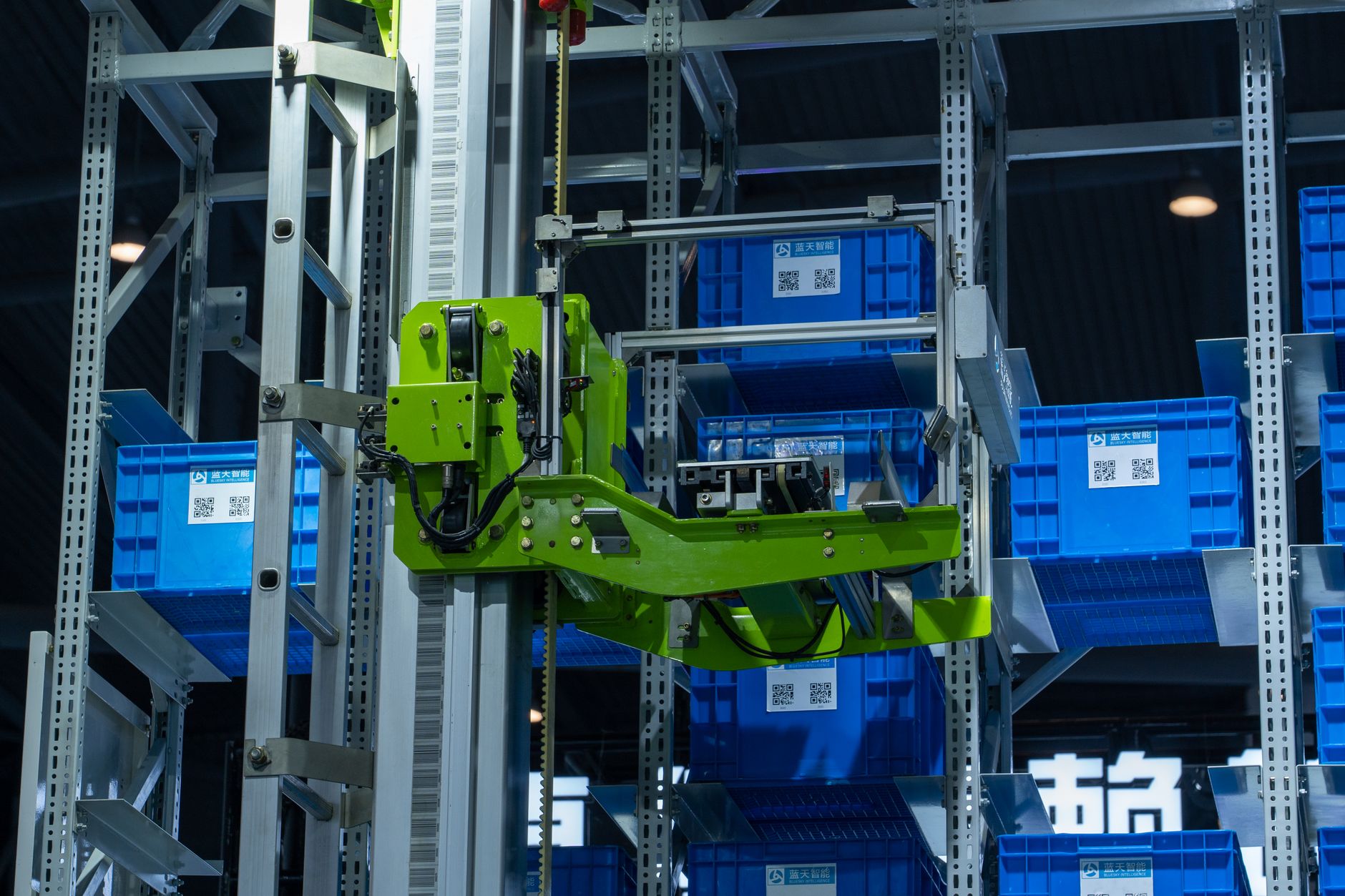
Robotic Depalletizing
Overview
Robotic depalletizing refers to the innovative use of robotic systems to automate the process of removing items from pallets and placing them onto conveyors, racks, or other storage systems. The practice is increasingly significant in modern warehouse operations, driving efficiencies, reducing labor costs, and enhancing safety. By leveraging robotic solutions, businesses can streamline their supply chains and adapt to the growing demand for quick and accurate order fulfillment.
Etymology and Origins
The term "depalletizing" is derived from the prefix "de-" meaning removal, combined with "palletizing," which denotes the act of placing goods onto pallets for storage or transport. The concept of using robots in this context traces back to the early advent of industrial robotics, with simple mechanical arms initially employed for repetitive tasks, particularly during the 1960s and 70s in manufacturing. The first documented usage of robotics for pallet operations emerged in the late 1970s, highlighting a shift toward automation in logistics and warehouse operations (KIVA Press Release, 2004).
Historical Development
Robotic depalletizing has evolved significantly since its inception. Here are key milestones:
- 1961: The first industrial robot, Unimate, was commissioned by General Motors for use in automobile manufacturing, laying the groundwork for later robotic applications in logistics.
- 1980s-1990s: The technology matured, with companies such as KUKA and ABB emerging as leaders in the automation field, introducing more sophisticated robotic systems capable of handling various materials. The introduction of programmable robots enhanced flexibility and scalability in operations.
- 2000: The rise of smart technologies and advancements in sensors allowed for more adaptable and flexible robotic systems suitable for depalletizing tasks. The integration of vision systems marked a significant leap forward in operational accuracy.
- 2010s-Present: The integration of AI and machine learning has enabled further refinements in robot capabilities, improving their ability to recognize, sort, and handle products with varying shapes and sizes. Notable implementations include Amazon Robotics automating their fulfillment centers around this period, which served as a critical case study in efficiency improvement.
Core Concepts
Robotic depalletizing systems typically include several essential components:
- Robotic Arms: Equipped with grippers or suction cups, these arms physically remove items from pallets.
- Vision Systems: Cameras and sensors provide real-time data to the robot for object recognition and placement accuracy, enhancing the operational efficiency of the system.
- Software Systems: Advanced software manages operations, including route planning and providing actionable work instructions for the robotic arm based on real-time inputs (Mobile Warehouse Management System).
Such systems enhance productivity by achieving faster cycle times compared to manual labor, with accuracy rates often exceeding 99% in item handling.
Industry Applications
Robotic depalletizing is prevalent in various sectors, including:
- Consumer Goods: Fast-moving goods require rapid depalletizing to keep up with delivery timelines. Robotic systems are vital in warehouses of companies like Procter & Gamble and Unilever, demonstrating significant throughput improvement and labor cost reduction.
- Food and Beverage: In this sector, where hygiene and efficiency are paramount, robots assist in handling cases of bottled products and packaged food items, ensuring compliance with safety standards, especially in large operations like Coca-Cola and Nestlé.
- Pharmaceuticals: Precision and accuracy are crucial when handling pharmaceutical products, leading many companies to adopt robotic solutions for depalletizing to ensure compliance with stringent safety regulations. Notable examples include Johnson & Johnson, which uses automation for critical packaging processes.
Benefits and Advantages
The utilization of robotic depalletizing brings numerous advantages:
- Increased Efficiency: Robotics can operate continuously, often outperforming human workers in speed and consistency, leading to higher throughput in sorted goods.
- Reduction in Labor Costs: Automating processes reduces the need for manual labor, allowing companies to allocate resources more effectively toward value-added activities.
- Improved Employee Safety: By handling physically demanding tasks, robotic systems can mitigate workplace injuries, resulting in lower insurance costs and healthier work environments.
Challenges and Limitations
Despite the benefits, companies may face challenges when implementing robotic depalletizing:
- Initial Investment: The upfront cost of robotic systems can be significant, which may deter smaller businesses. Organizations should conduct a thorough cost-benefit analysis before implementation (WMS ROI Calculator).
- Space Constraints: Integrating robotic systems may require significant floor space that is limited, particularly in legacy warehouses.
- Maintenance Needs: Regular maintenance and updates are necessary to ensure optimal performance and minimize downtime. Companies must invest in training staff on maintenance procedures as part of their operational strategy.
Future Trends
The future of robotic depalletizing looks promising, with trends leaning towards:
- AI Integration: Enhanced machine learning capabilities will allow robots to learn from their environment, improving efficiency and adaptability in real-time applications.
- Collaborative Robots (Cobots): These robots can work alongside human employees, augmenting their capabilities and ensuring safer working conditions.
- Focus on Sustainability: Robotics solutions are increasingly designed to reduce energy consumption and waste in logistics operations, making them environmentally friendly, an approach being adopted by major companies like IKEA and Unilever.
Conclusion
Robotic depalletizing represents a transformative technology within the logistics and supply chain sectors. As industries continue to embrace automation, the efficiency, accuracy, and safety benefits of robotic depalletizing systems will become increasingly vital in navigating the complexities of modern supply chains. For further insights into optimizing warehouse operations, consider exploring resources such such as the Warehouse Layout and the Mobile Warehouse Management System.