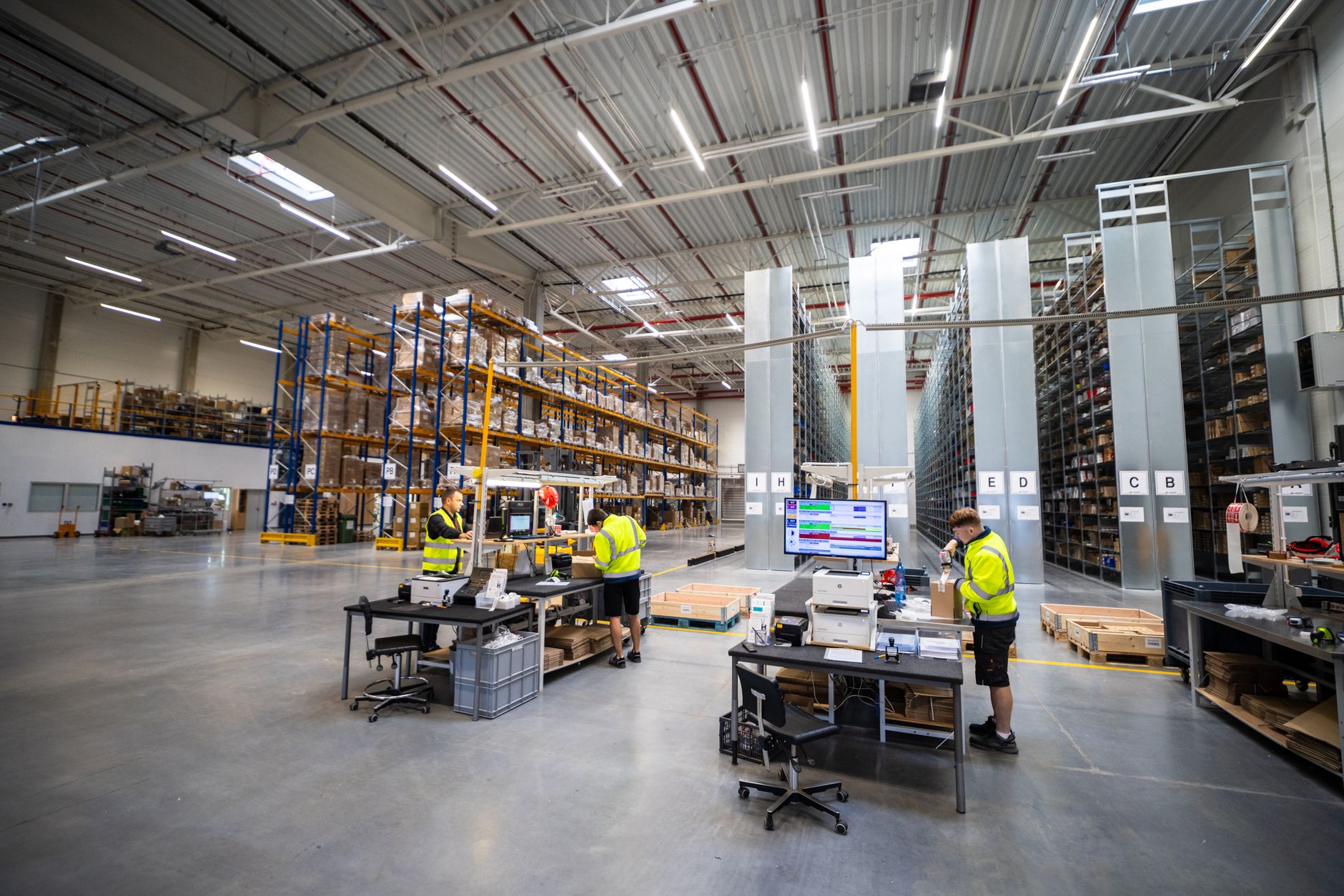
Overview
RFID (Radio-Frequency Identification) read zone design involves optimizing the physical layout and radio frequency (RF) characteristics of a space to ensure efficient and accurate identification and tracking of assets. This is crucial in logistics and supply chain management, where precise visibility into inventory and the movement of goods can lead to improved operational efficiency and reduced costs. Proper design of read zones helps mitigate issues such as signal interference and misreads, ensuring that RFID systems function effectively.
Etymology and Origins
The term 'RFID' was first utilized in the late 20th century, with roots tracing back to early concepts of radio and microchip technologies. The exact origins can be tied to early RF technology developments in the 1940s and 1950s, but the formal nomenclature emerged more prominently in the 1970s during advancements in microelectronics, which enabled the development of small, inexpensive RFID tags. Terminology has evolved as the technology has matured, with terms like "read zone" becoming commonplace in discussions about RFID deployment strategies, reflecting the emphasis on optimal physical layouts for enhancing data collection accuracy and efficiency.
Historical Development
RFID technology has undergone significant evolution since its inception. In the 1980s, companies like Motorola began experimenting with tag-based systems for tracking goods, although initial applications were limited. The 1990s saw increased interest from retail giants, leading to early standardization efforts, such as the establishment of EPCglobal, which promotes the Electronic Product Code (EPC) framework.
Key milestones include:
- 1999: Introduction of the first EPC standard, laying groundwork for interoperability.
- 2005: Walmart mandated RFID tags for suppliers, drastically elevating the industry's focus on RFID implementation.
- 2010s: Advances in RFID technology, including passive tags, enhanced read ranges, and integration with IoT.
- 2020: Introduction of advanced AI tools for optimizing RFID read zone design by predicting best configurations based on historical data.
Core Concepts
At its core, RFID technology comprises tags, readers, and antennas. The design of the read zone is primarily influenced by the placement of these components and environmental factors, which helps in achieving maximum efficiency and accuracy.
Key principles involved in read zone design include:
- Distance and Orientation: The effective read distance depends on the power output of the RFID reader and the frequency used. Proper orientation of tags to the reader can significantly influence read accuracy.
- Environmental Factors: Materials, such as metal and liquids, can absorb or reflect RF signals, causing interference. Thus, an understanding of the physical space is critical when planning the layout.
- Reader Configuration: Utilizing multiple antennas may be necessary in complex environments to ensure comprehensive coverage and reduce shadow zones where RFID signals cannot be detected effectively.
Industry Applications
RFID read zone design is widely implemented across various sectors including retail, healthcare, and manufacturing. For example:
- Retail: Stores optimize layouts to ensure efficient inventory levels, enhance customer experience, and minimize shrinkage through effective RFID systems.
- Healthcare: Accurate tracking of medical supplies and equipment through well-designed read zones ensures better patient care and resource management.
- Manufacturing: In warehousing, companies use RFID to streamline processes such as stock replenishment, ensuring materials are available when needed without excess inventory.
Benefits and Advantages
The design of effective RFID read zones offers various benefits:
- Improved Accuracy: Well-planned zones minimize misreads and ensure accurate inventory tracking.
- Efficiency Gains: Reducing the time spent locating items can lead to faster operations and better throughput in warehouses, as highlighted by various best practices in enterprise fulfillment.
- Visibility: Enhanced visibility into inventory levels helps organizations make data-driven decisions.
Challenges and Limitations
Designing effective RFID read zones isn't without its challenges:
- Interference: As mentioned, physical barriers can impede RFID signals, requiring careful spatial analysis during design.
- Cost: High initial setup costs for RFID systems can be a barrier for smaller organizations.
- Complexity: Designing for multiple product types and their respective tag requirements can complicate setup.
Best Practices
To optimize RFID read zone design, consider the following best practices:
- Site Surveys: Conduct thorough evaluations of the physical environment before designing read zones.
- Use of Simulations: Utilize software tools to simulate RF behavior and optimize the placement of readers and tags.
- Continuous Improvement: Regularly monitor system performance and adjust layouts as needed.
Technology and Tools
Modern tools for RFID system design and optimization include:
- Software for simulating RFID environments and predicting coverage.
- Advanced readers that offer flexibility in tag protocols.
- Integrated WMS solutions linking RFID data to broader operational systems such as the Mobile Warehouse Management System by SkuSavvy, which enhances visibility and management capabilities.
Future Trends
Emerging trends in RFID read zone design encompass:
- Integration with IoT technologies: Creating interconnected systems that provide real-time data analytics and visibility.
- Utilization of AI: Employing artificial intelligence to predict and optimize RFID zone performance based on historical data and patterns, enhancing operational effectiveness.
- Focus on Sustainability: Innovations aimed at reducing material waste in tag manufacturing and enhancing recycling processes are on the rise.
Related Concepts
A proper understanding of RFID read zone design relates closely to various concepts in logistics, including warehouse operations, inventory management techniques, and supply chain efficiencies. By mastering these interlinked areas, professionals can better harness the power of RFID technology to transform their operations.