Overview
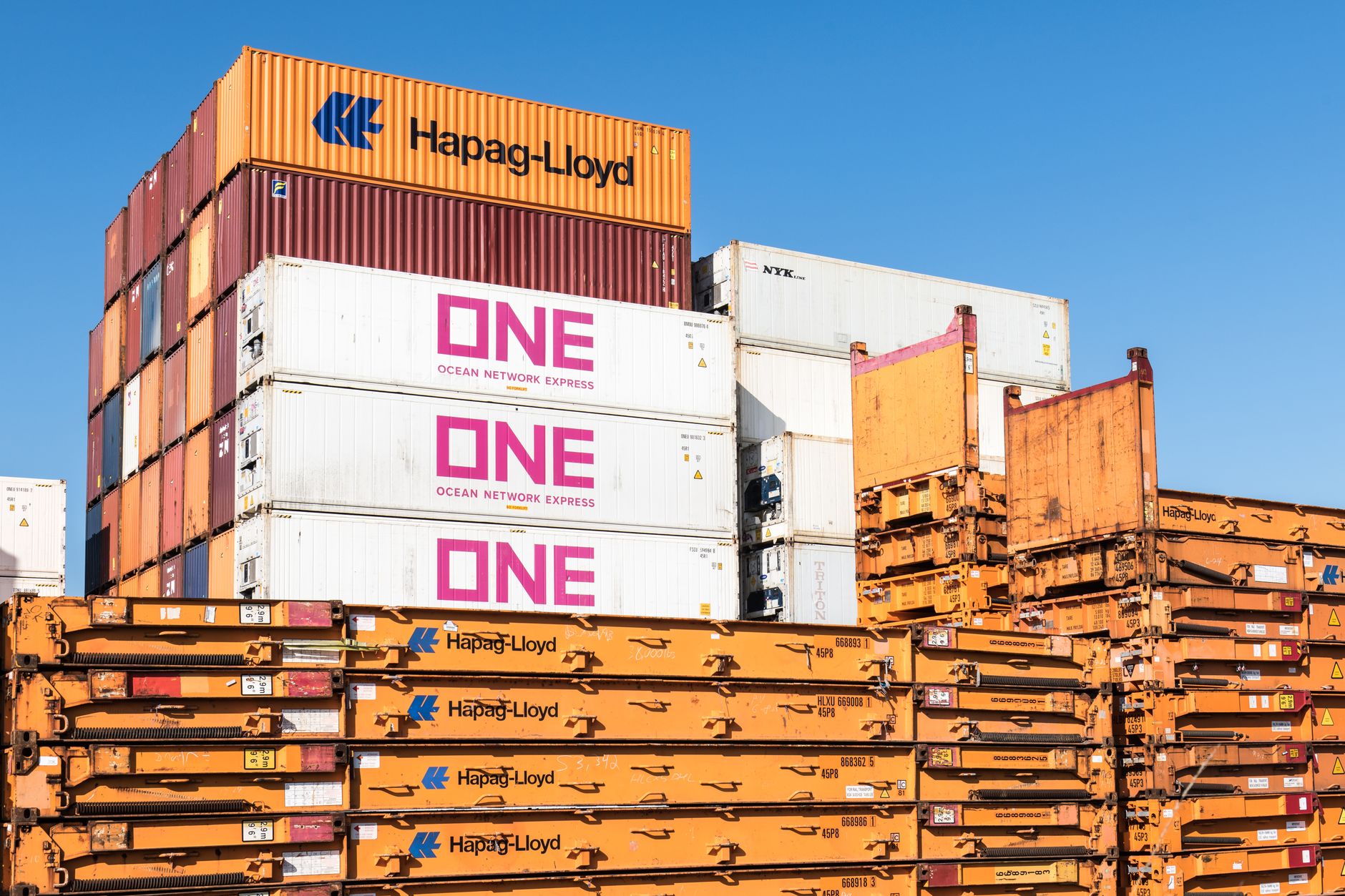
Ocean Network Express (ONE) is a global container shipping company headquartered in Singapore. Established in 2017, ONE operates a significant fleet of over 200 vessels with a combined capacity exceeding 1.5 million TEUs (Twenty-foot Equivalent Units) and serves more than 100 countries worldwide, making over 120 port calls weekly. ONE is recognized for its commitment to efficiency, customer satisfaction, and sustainability in maritime transport, playing a vital role in global trade by connecting major economies and facilitating the movement of goods.
History
Ocean Network Express was formed as a joint venture among three major Japanese shipping lines: MOL, NYK Line, and K Line. This strategic consolidation, announced in October 2016, was a direct response to the challenging global container shipping market characterized by overcapacity, intense competition, and volatile freight rates in the mid-2010s. The integration aimed to leverage economies of scale, optimize operational costs, and enhance service capabilities through shared resources and expertise. The operational launch occurred on April 1, 2018, marking a significant step in the industry's trend towards mega-mergers and alliances designed to ensure financial viability and service reliability.
Key Milestones
- 2016 October: Announcement of the joint venture to enhance operational efficiency and address industry challenges by combining container businesses, including terminal operations outside Japan, of the three parent companies.
- 2017: Establishment of Ocean Network Express Pte. Ltd. in Singapore.
- 2018 April 1: Official launch of services, marking a significant entry into the global shipping market with a substantial fleet and network, and joining "THE Alliance".
- 2020: Introduction of the ONE Innovation Program, aimed at improving operational practices and digital transformation in shipping, focusing on areas like data analytics and automation to enhance efficiency and customer experience.
- 2021: Expansion of services and introduction of more environmentally friendly practices, in line with global sustainability goals, including exploring alternative fuels and optimizing vessel performance to reduce greenhouse gas emissions.
Products and Services
ONE provides a comprehensive range of services to cater to the diverse needs of its clients, ensuring the efficient and secure transport of goods across global supply chains. These include:
- Container Shipping: The core service, offering container transport across multiple routes and ports worldwide. This encompasses standard dry containers, refrigerated containers (reefers) for temperature-sensitive cargo, and specialized containers for oversized or hazardous goods. ONE's extensive network facilitates direct port-to-port and intermodal connections.
- Logistics Services: Supporting global supply chains with integrated logistics solutions beyond ocean transport. This includes inland transportation (road, rail, barge), warehousing, and supply chain visibility tools. For customers managing complex logistics, tools like a robust Order Management System and Shipping & Fulfillment Software are essential to integrate with carrier services like ONE.
- Technology Solutions: ONE integrates innovative technologies to improve its services and provide greater transparency and control to its customers. Exemplified by the ONE Tracking System, which allows customers to track their shipments in real-time, other solutions include e-commerce platforms, electronic booking, and digital documentation to streamline processes and enhance customer experience.
Role in Logistics and Supply Chains
As a major player in the global shipping industry, ONE plays a crucial role in facilitating international trade and underpinning the functionality of global supply chains. As a founding member of THE Alliance alongside Hapag-Lloyd, HMM, and Yang Ming, ONE collaborates to offer a comprehensive network of services, shared vessel capacity, and optimized schedules, thereby enhancing service reliability and frequency for shippers. It connects manufacturers and consumers by providing essential logistics services that ensure the efficient, cost-effective, and timely movement of goods across borders. The company also collaborates with various stakeholders in the supply chain, such as port authorities, customs agencies, freight forwarders, and logistics providers, to enhance operational efficiencies and build resilient supply chains. The coordination with such partners is critical for seamless end-to-end delivery, often supported by advanced visual inventory management systems at the receiving end, enabling efficient warehouse operations upon cargo arrival.
Industries Served
Ocean Network Express caters to a wide range of industries, adapting its services to meet their specific requirements:
- Retail and E-commerce: Supporting the booming online marketplace with timely and reliable transport of consumer goods, seasonal inventory, and expedited shipments. This facilitates streamlined inventory flow from origin to distribution centers, crucial for businesses utilizing Shopify inventory management or other e-commerce platforms.
- Automotive: Facilitating the transport of vehicles, components, and spare parts globally, often requiring just-in-time delivery and specialized handling to support complex automotive supply chains.
- Consumer Electronics: Ensuring swift and reliable shipping of high-value and time-sensitive electronics products from manufacturing hubs to distribution networks worldwide, often leveraging advanced security measures and precise scheduling.
- Perishables: Handling temperature-sensitive goods such as fresh produce, pharmaceuticals, and frozen foods through specialized reefer containers and cold chain logistics services, maintaining product integrity throughout the journey.
- Project Cargo: Transporting oversized or heavy cargo that requires specialized equipment and planning, catering to industries like energy, construction, and manufacturing.
Documented Limitations
Despite its strengths and strategic position, ONE faces several inherent challenges characteristic of the shipping industry:
- Global Trade Volatility: Fluctuations in global economic conditions, geopolitical tensions, and trade policies can significantly impact shipping volumes, freight rates, and overall profitability. The inherent cyclicality of the shipping industry presents ongoing challenges in demand forecasting and capacity management.
- Environmental Regulations: Increasingly stringent global and regional regulations for carbon emissions (e.g., IMO 2020, IMO 2023, EU ETS) pose significant operational challenges and necessitate substantial investments in cleaner fuels, propulsion technologies, and vessel modifications to meet decarbonization targets.
- Supply Chain Disruptions: Vulnerabilities in global supply chains have been highlighted, especially due to events like the COVID-19 pandemic, geopolitical conflicts, and infrastructure issues (e.g., port congestion, canal blockages). These disruptions can lead to delays, increased costs, and reputational damage. Enhancing supply chain resilience and agility is a continuous effort across the industry.
- Cybersecurity Threats: As shipping operations become more digitized, the industry faces growing threats from cyberattacks targeting operational technology (OT) and information technology (IT) systems, potentially disrupting vessel operations, port logistics, and sensitive data.
Efforts to mitigate these limitations include investing in sustainable technologies, enhancing flexibility in their service models, and strengthening digital infrastructure to improve resilience and transparency.
Future Trends
Looking ahead, Ocean Network Express aims to remain at the forefront of the shipping industry by adapting to evolving market dynamics and technological advancements:
- Adopting Green Technologies: A primary focus is on reducing carbon footprints across operations to meet international environmental standards and achieve net-zero emissions targets. This includes research and development into alternative fuels (e.g., ammonia, methanol, hydrogen), vessel design optimization, and carbon capture technologies.
- Digital Transformation: Continued investment in digital tools such as artificial intelligence (AI) for route optimization, blockchain for secure documentation, and the Internet of Things (IoT) for real-time cargo monitoring to enhance customer experience, operational efficiency, and predictive analytics in fleet management.
- Expanded Service Offerings: Exploring new routes, enhancing intermodal capabilities, and developing more sophisticated integrated logistics solutions to adapt to changing market demands and provide end-to-end supply chain visibility for clients. This strategic approach aligns with best practices in enterprise fulfillment that emphasize integration and efficiency across all logistics nodes.
- Focus on Customer Experience: Enhancing digital platforms for seamless booking, tracking, and communication, aiming for greater transparency and proactive problem-solving to build stronger customer relationships.
Overall, Ocean Network Express exemplifies a modern shipping company committed to navigating the complexities of global logistics while enhancing sustainability practices and embracing digital innovation to meet future demands of international trade.