Overview
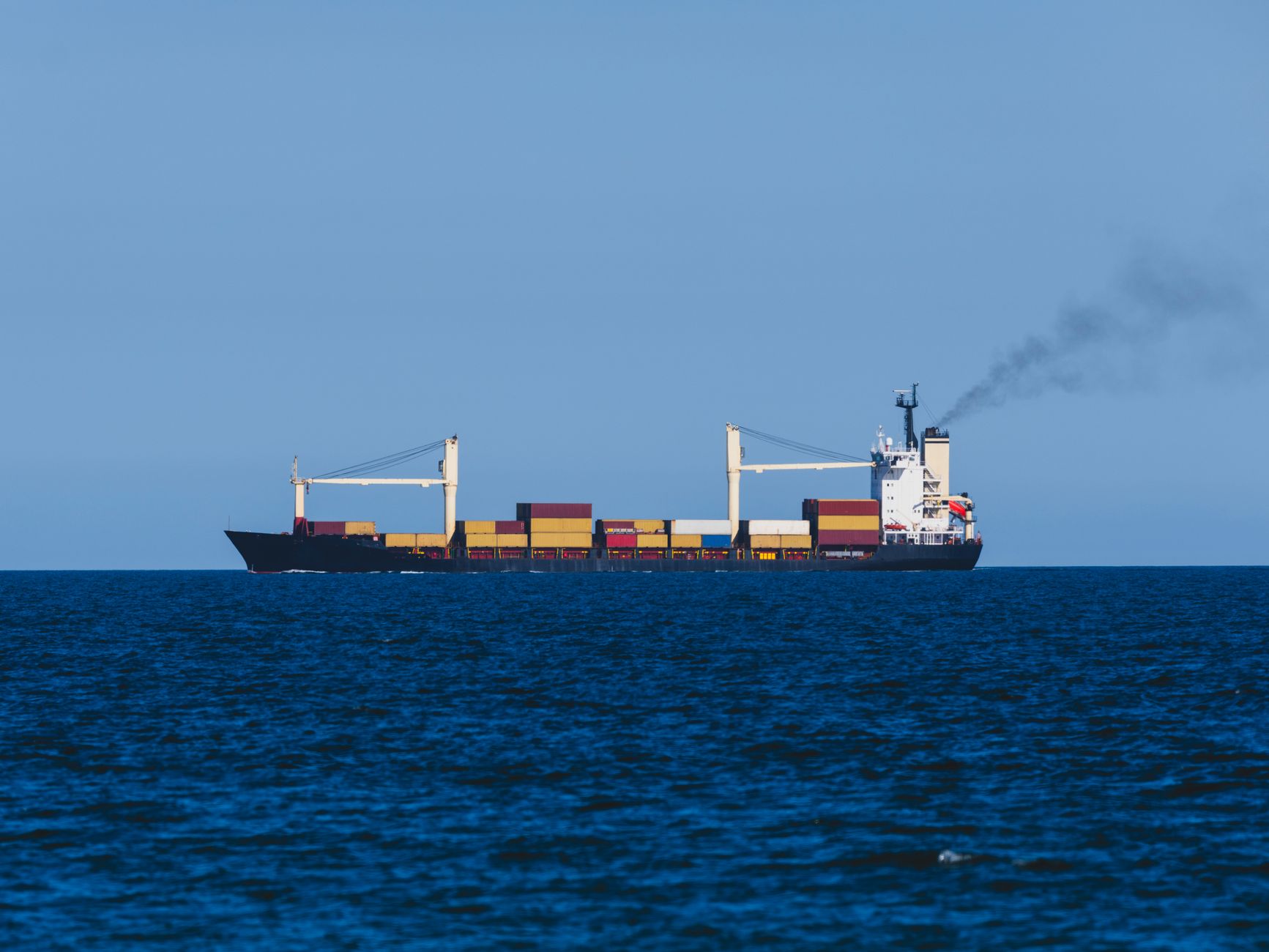
The Maritime EU Emissions Trading System (ETS) is a pivotal regulatory framework designed to mitigate greenhouse gas (GHG) emissions from the maritime sector within the European Union. Established as an integral part of the EU’s broader climate strategy, it integrates shipping companies into the bloc's existing emissions trading system. This mechanism incentivizes reductions in carbon emissions through market-based approaches, reflecting a global push towards decarbonization. The system is particularly critical given that the international shipping industry accounts for a significant share of global CO2 emissions, with estimates suggesting it contributes approximately 2-3% of global anthropogenic emissions and is projected to increase without intervention.
Etymology and Origins
The term "Emissions Trading System" (ETS) refers to a market-based instrument for environmental policy, providing economic incentives for achieving reductions in the emissions of pollutants. The theoretical underpinnings of emissions trading can be traced back to the work of economist Ronald Coase on property rights and externalities in the 1960s, and further developed by John Dales in the late 1960s regarding pollution rights. Early practical applications emerged in the United States in the 1970s and 80s, notably with the EPA's lead phasedown program and the sulfur dioxide (SO2) allowance trading program under the 1990 Clean Air Act amendments.
While the concept of emissions trading gained prominence earlier, its specific application to the maritime sector is a much more recent development. Following the 2015 Paris Agreement which set ambitious global targets for carbon emissions reductions, the European Union began to explore expanding its existing ETS to new sectors. The integration of maritime transport into the EU ETS gained significant traction in the early 2020s, largely as a key component of the EU’s overarching Green Deal and its legislative package, "Fit for 55."
Historical Development
The history of emissions trading in Europe formally dates back to the establishment of the European Climate Change Programme (ECCP) in 2000, which laid the groundwork for the EU ETS. This initiative was a direct response to the commitments made under the Kyoto Protocol (1997), which obliged industrialized nations to reduce GHG emissions.
Key milestones in the development and expansion of the EU ETS, particularly to the maritime sector, include:
- 2003: The Directive 2003/87/EC established the foundational EU ETS, initially covering power generation and energy-intensive industrial sectors. This marked the world's first major carbon market.
- 2005: The EU ETS officially commenced operations, becoming a cornerstone of Europe's climate policy.
- 2015: The Paris Agreement set ambitious targets for emissions reductions globally, intensifying pressure on all sectors, including shipping, to contribute.
- 2018: The International Maritime Organization (IMO) adopted its initial strategy on the reduction of GHG emissions from ships, signaling a global intent to tackle maritime emissions. This included objectives for a 50% reduction in total annual GHG emissions from international shipping by 2050 compared to 2008 levels.
- 2020: The European Commission announced its intention to extend the EU ETS to the maritime sector as part of the European Green Deal.
- July 2021: The European Commission presented its "Fit for 55" legislative package, which included a proposal to integrate maritime transport into the existing EU ETS. This marked the first major regulatory move for shipping emissions within the EU.
- December 2022: A provisional political agreement was reached between the European Parliament and the Council on the inclusion of shipping emissions in the EU ETS, affirming a phased approach to implementation.
- January 2023: The revised EU ETS Directive, including the maritime sector, officially entered into force, with compliance obligations starting in 2024.
Noteworthy institutions that have played a crucial role in supporting these initiatives include the European Parliament, the European Council, and the European Commission, which collectively shape EU environmental legislation. Their work aligns with global efforts championed by organizations like the International Maritime Organization (IMO), further emphasizing the interconnectedness of regional and global climate governance. Fatih Birol, Executive Director of the International Energy Agency (IEA), has consistently advocated for stringent policies to curb emissions from all sectors, including maritime, underscoring the urgency of such measures.
Core Concepts
The core concept of the Maritime EU ETS relies fundamentally on the cap-and-trade principle. Under this mechanism:
- Cap Setting: A cap is established on the total amount of greenhouse gas emissions that can be emitted by the covered shipping sector over a specified period. This cap is designed to decrease over time, ensuring continuous emissions reduction.
- Allowance Allocation: Shipping companies are required to monitor and report their emissions. For every tonne of CO2 emitted, they must surrender an equivalent number of emission allowances (EUAs). These allowances can be obtained through auctions or, in specific cases, free allocation.
- Trading Mechanism: Allowances can be bought and sold between companies. If a company reduces emissions below its allowance requirement, it can sell its surplus allowances, creating a financial incentive to invest in cleaner technologies and operational efficiencies. Conversely, companies exceeding their allowances must purchase additional EUAs, making high emissions financially costly.
This scheme aims to gradually reduce the overall emissions cap, thereby driving further investment in cleaner technologies, operational best practices, and alternative fuels across the maritime industry. The revenue generated from the auctioning of maritime allowances is intended to be used to support maritime decarbonization and address potential impacts on ports and shipping companies.
Industry Applications
The implementation of the Maritime EU ETS applies broadly across various sectors within shipping, targeting ships of 5,000 gross tonnage and above, regardless of their flag, when calling at an EU/EEA port. The coverage includes:
- Container Shipping: Major operators are restructuring fleet operations, optimizing routes, and investing heavily in cleaner fuels (e.g., methanol, ammonia) and energy-efficient technologies to comply with emissions targets. This also impacts supply chain design, potentially favoring more efficient hubs.
- Bulk Carriers: Companies operating vessels transporting commodities like iron ore, coal, and grains are exploring options such as LNG (Liquefied Natural Gas), biofuels, and wind-assisted propulsion to meet regulations without compromising operational efficiency or cargo capacity.
- Tankers: Oil, chemical, and gas tankers are similarly affected, pushing for fleet modernization and the adoption of low-carbon fuels.
- Passenger Ships: This includes large cruise ships and ferries, which often operate on fixed routes within and to/from EU ports, making their emissions directly subject to the ETS. These operators are under significant public and regulatory pressure to green their operations.
- Offshore Vessels: While initially excluded, the scope of the ETS is set to expand to offshore vessels (e.g., oil and gas platforms, dredging vessels) from 2027.
An early adopter of various emissions reduction strategies and a vocal participant in discussions around emissions trading mechanisms is Maersk, which has committed to decarbonizing its fleet by 2040 and is actively engaging with initiatives like the EU ETS to ensure compliance and support sustainable practices. Their strategy includes investing in methanol-powered vessels and exploring other green fuels. The requirements also impact charter parties and commercial contracts, necessitating clauses to allocate carbon costs between shipowners and charterers.
Benefits and Advantages
The introduction of the Maritime EU ETS presents several significant benefits, aiming to accelerate the decarbonization of the shipping industry:
- Incentives for Innovation: By putting a price on carbon, the ETS directly encourages research, development, and investment in new, cleaner technologies for vessel design, propulsion systems, and alternative fuels. This fosters a competitive market for green maritime solutions.
- Enhanced Competitiveness: Shipping firms that proactively and successfully reduce emissions could see a reduction in operational costs associated with carbon allowances, making them more competitive in a carbon-constrained market. Early movers gain a strategic advantage.
- Revenue for Climate Action: A significant portion of the revenue generated from the auctioning of maritime ETS allowances is earmarked for climate-related projects and innovations within the maritime sector, creating a dedicated funding stream for decarbonization efforts through the Innovation Fund and the Connecting Europe Facility (CEF).
- Global Leadership: By establishing robust and ambitious standards, the EU positions itself as a leader in environmental governance on a global scale, potentially influencing similar policies in other regions and at the IMO.
- Reduced Health Impacts: Lowering emissions of pollutants like nitrogen oxides (NOx) and sulfur oxides (SOx) (often co-benefits of CO2 reduction strategies) can lead to improved air quality, particularly in port cities, and positive public health outcomes.
Challenges and Limitations
Despite its intended benefits, the Maritime EU ETS also faces significant challenges that require careful navigation:
- Implementation Costs and Competitiveness Concerns: Initial compliance costs, including monitoring, reporting, verification (MRV) systems and the purchase of allowances, may strain smaller shipping companies financially. Concerns exist about potential carbon leakage where shipping activities might shift to non-EU ports to avoid ETS costs, potentially undermining the system's effectiveness and impacting the competitiveness of EU ports.
- Regulatory Complexity: Navigating the intricate regulatory environment of the EU ETS, especially for international operators subject to various global and regional standards, can be daunting. Understanding the specific percentages of emissions covered for different voyage types (50% for extra-EU voyages, 100% for intra-EU voyages) adds to this complexity.
- Dependence on Technology and Infrastructure: The effectiveness of the system is largely contingent on the availability, scalability, and adoption of cleaner technologies (e.g., electric propulsion, wind assist) and, crucially, the necessary infrastructure for alternative fuels (e.g., bunkering facilities for methanol, ammonia, hydrogen) across the shipping industry. The rapid development and deployment of these solutions remain a critical hurdle.
- Fairness and Burden Sharing: Debates continue regarding the equitable distribution of ETS costs between shipowners, operators, and cargo owners. Issues around charter party clauses and who ultimately bears the financial burden are complex and require clear contractual agreements.
- Global vs. Regional Approach: While the EU ETS provides strong regional impetus, some stakeholders advocate for a single global carbon pricing mechanism through the IMO to avoid a patchwork of regulations and ensure a level playing field for international shipping.
Future Trends
The future of the Maritime EU ETS is likely to be influenced by several evolving trends, aiming for greater effectiveness and broader impact:
- Stricter Emission Targets and Expanded Scope: As environmental concerns grow and the EU pursues its net-zero goals, there is a high probability of implementing stricter emission limits, a faster reduction of the cap, and frameworks that could apply to more shipping activities, including potentially smaller vessels or additional GHG gases like methane (CH4) and nitrous oxide (N2O).
- Increased Global Cooperation and Harmonization: While the EU has moved ahead regionally, there is continued pressure for greater collaboration with non-EU nations and international organizations, particularly the IMO, to develop a harmonized global carbon pricing mechanism for shipping. This would enhance the ETS’s effectiveness and global applicability, mitigating concerns about carbon leakage and administrative burdens.
- Digitalization and Data-Driven Compliance: Advanced digital tools for Monitoring, Reporting, and Verification (MRV) will become more sophisticated, leveraging real-time data from vessels for more accurate emissions accounting and streamlined compliance processes. This will also aid in optimizing routes and operational parameters to minimize carbon footprint.
- Technological Advancements in Green Fuels: Continued breakthroughs and scaling up of production for sustainable alternative fuels (e.g., green hydrogen, e-methanol, ammonia) and energy-efficient technologies will be crucial. The ETS will serve as a key financial driver for these investments.
- Integration with Broader Climate Policies: The Maritime EU ETS will likely become even more deeply integrated with other EU climate policies, such as the FuelEU Maritime initiative, which sets maximum GHG intensity targets for marine fuels, creating a comprehensive regulatory environment for maritime decarbonization.
Ongoing monitoring and refinement of the system will be essential to address its limitations while leveraging opportunities for emission reductions and fostering a truly sustainable maritime industry.
Related Concepts
The Maritime EU ETS is interconnected with various critical concepts in logistics, environmental sustainability, and international trade:
- Green Logistics: This broader concept focuses on reducing the environmental impacts across the entire supply chain, from sourcing and production to warehousing and distribution. The ETS directly influences the maritime leg of green logistics by targeting emissions from shipping.
- Sustainable Shipping Practices: Encompasses a range of strategies such as using alternative fuels, optimizing vessel speeds (slow steaming), improving hull designs, implementing shore power connections, and route optimization to minimize environmental impact and enhance fuel efficiency.
- Carbon Pricing Mechanisms: A general term for policies that put a price on carbon emissions, including carbon taxes and cap-and-trade systems like the ETS. These mechanisms aim to internalize the external costs of carbon pollution.
- Monitoring, Reporting, and Verification (MRV) Regulations: Crucial for the functioning of any ETS, MRV regulations establish the framework for accurately tracking, reporting, and verifying emissions data from regulated entities. The EU already has an MRV regulation for maritime transport, which feeds into the ETS.
- IMO's GHG Strategy and Measures: The International Maritime Organization's global efforts to reduce greenhouse gas emissions from international shipping, including measures like the Carbon Intensity Indicator (CII) and the Energy Efficiency Existing Ship Index (EEXI), complement and interact with regional initiatives like the EU ETS.
- Circular Economy Principles: While not directly tied to emissions trading, the move towards sustainability in shipping aligns with circular economy principles that aim to minimize waste and maximize resource utilization throughout a product's lifecycle.
By understanding these related frameworks, professionals in logistics and supply chain management can better navigate the complex regulatory landscape surrounding maritime emissions, integrate sustainability into their operations, and make informed decisions regarding fleet choices, route planning, and contractual agreements.