Maersk
Overview
A.P. Moller-Maersk, commonly known as Maersk, is a Danish integrated shipping, logistics, and oil company, and is widely recognized as the largest container shipping line and vessel operator in the world by TEU capacity. Established in 1904, Maersk provides a comprehensive suite of services encompassing container shipping, end-to-end logistics solutions, and port operations, thereby significantly impacting global trade flows. With a fleet exceeding 700 container vessels and a capacity of over 4 million TEUs as of recent years, Maersk is a dominant force in maritime transport and supply chain management [4].
History
Maersk was founded by Peter Mærsk-Møller and his son Arnold Peter Møller in Svendborg, Denmark, in 1904 as a shipping company named Dampskibsselskabet Svendborg, initially focusing on the coastal trade in Denmark with a single second-hand steamship [5]. The company expanded gradually, venturing into international routes before World War I and diversifying into tank shipping and shipbuilding. Post-World War II, Maersk experienced significant growth, adapting to global trade demands.
A pivotal moment arrived in 1975 when Maersk introduced its first purpose-built container ship, the Adrian Mærsk, marking its strategic entry into the burgeoning container shipping market [6]. This move coincided with the rapid containerization of global trade, allowing Maersk to rapidly expand its operations. Throughout the 1990s and 2000s, the company aggressively enhanced its market position through strategic acquisitions. Notable integrations included Sealand Service in 1999, which significantly boosted its presence in key trade lanes, and the merger with P&O Nedlloyd in 2005, which further solidified its status as the world's largest container shipping operator and expanded its global reach [7]. More recently, Maersk has undertaken a significant strategic shift, moving from a diversified conglomerate to an integrated logistics company, divesting its energy assets to focus on end-to-end supply chain solutions [8].
Key Milestones
- 1904: Maersk is founded in Svendborg, Denmark, as Dampskibsselskabet Svendborg.
- 1928: Maersk begins its first liner service from the US East Coast to Asia, marking its entry into regular intercontinental shipping [5].
- 1975: Launch of the Adrian Mærsk, the company's first purpose-built container vessel, heralding its commitment to containerization.
- 1999: Acquisition of Sealand Service from CSX Corporation, significantly expanding Maersk's transatlantic and transpacific capabilities and terminal network [7].
- 2005: Merger with P&O Nedlloyd, a joint venture between Royal P&O and Royal Nedlloyd, creating the world's largest container shipping company and substantially boosting its market share.
- 2016: Maersk announces a major strategic transformation, divesting its oil and gas business to become an integrated logistics and container shipping company [8].
Products and Services
Maersk operates through several divisions that provide distinct services, reflecting its evolution into an integrated logistics provider:
- Container Shipping: Remaining the core of Maersk’s operations, this division handles millions of containers annually across all major global trade routes. It includes services like dry cargo, reefer (refrigerated) cargo, and specialized cargo transportation.
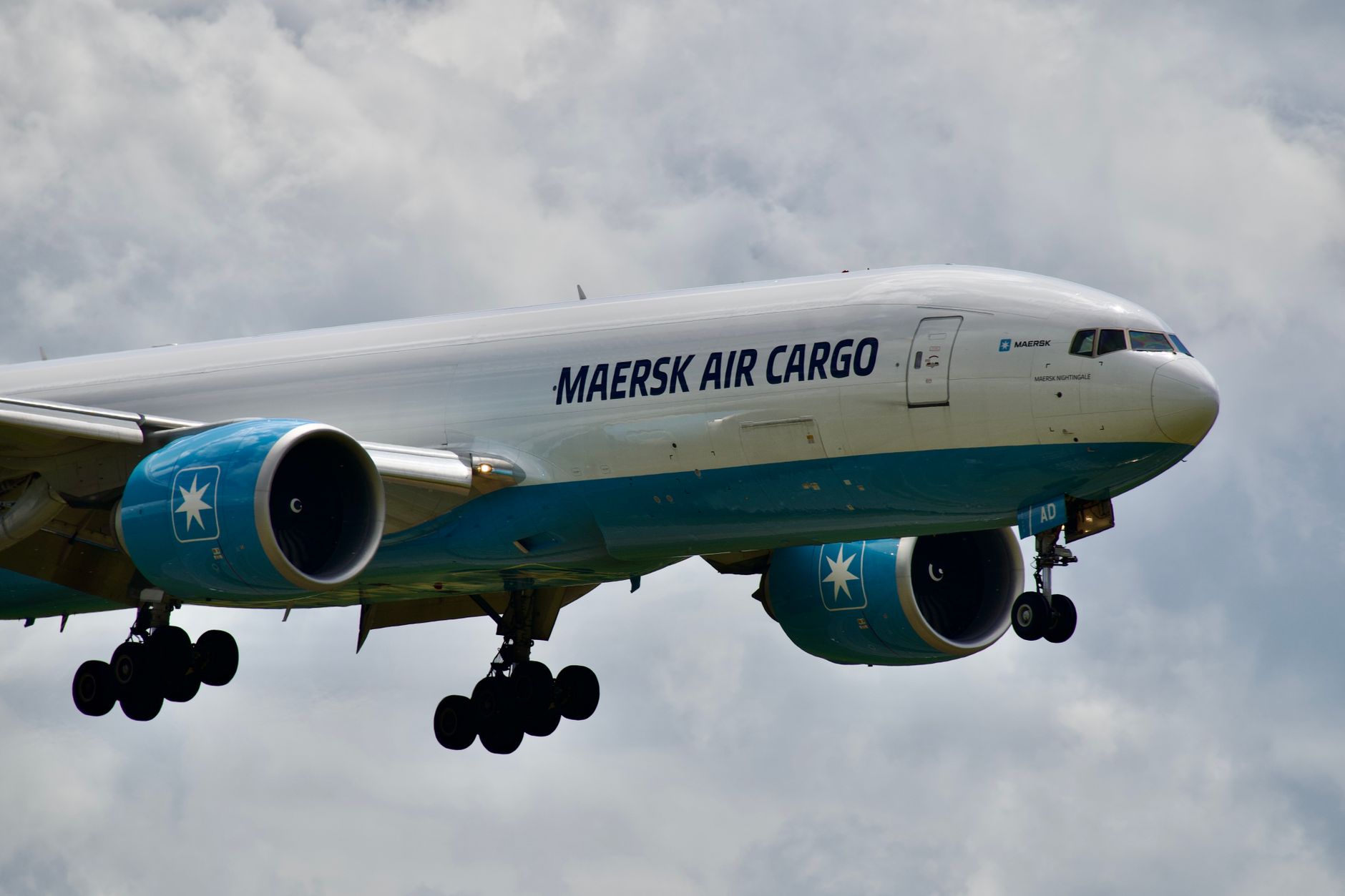
- Logistics and Supply Chain Management: Offering comprehensive, end-to-end logistics solutions, Maersk provides services that span the entire supply chain. These include customs clearance, warehousing and distribution, land transportation (trucking, rail, barge), air freight, and contract logistics. To manage these complex operations, Maersk employs sophisticated digital platforms that encompass capabilities similar to modern order management systems and comprehensive shipping and fulfillment software, aimed at improving efficiency and visibility across the supply chain.
- Terminals (APM Terminals): Operating a global network of over 70 port and inland terminals, APM Terminals forms strategic partnerships with port authorities worldwide. These terminals are crucial for efficient vessel turnaround, cargo handling, and intermodal connectivity, enhancing overall supply chain fluidity.
- Towage (Svitzer): As a leading global towage provider, Svitzer offers harbor towage and marine services, supporting safe and efficient port operations for vessels of all sizes.
Role in Logistics and Supply Chains
Maersk plays a crucial role in the global supply chain, acting as a vital link connecting producers and consumers worldwide. By utilizing a vast fleet and a complex network of shipping routes, it enables the efficient transportation of goods across oceans. Beyond ocean freight, its integrated logistics offerings provide necessary services such as freight forwarding, distribution, and last-mile delivery, creating a seamless flow of goods. The company's emphasis on optimizing logistics, including establishing efficient cross-docking logistics facilities, allows for faster transit times, reduced storage costs, and enhanced responsiveness to market demands, significantly improving overall supply chain agility and resilience. Maersk's digital initiatives, such as its Tradelens platform, aim to enhance transparency and collaboration across the shipping ecosystem, further strengthening its pivotal role.
Industries Served
Maersk serves various industries, adapting its logistics solutions to meet specific sector requirements:
- Retail and Lifestyle: Providing container services that support the global demand for consumer goods, including fast-moving consumer goods (FMCG), fashion, and electronics.
- Automotive: Offering specialized logistics solutions suited for automotive components, spare parts, and finished vehicles, often requiring just-in-time (JIT) delivery and precise coordination.
- Pharmaceuticals and Healthcare: Ensuring safe, compliant, and temperature-controlled transportation for sensitive products through tailored cold chain logistics strategies and validated processes, crucial for maintaining product integrity.
- Food and Beverage: Implementing robust cold chain logistics, including refrigerated containers and specialized handling, to maintain product integrity and safety from farm to fork.
- Chemicals and Energy: Providing specialized handling and transportation for hazardous materials and bulk liquids, adhering to strict safety and regulatory standards.
Documented Limitations
Despite its market leadership and comprehensive offerings, Maersk faces several challenges:
- Environmental Regulations and Sustainability: Striving to meet increasing global demands for decarbonization and sustainability while balancing operational efficiency and profitability. This includes significant investments in low-carbon fuels and greener vessel technologies [10].
- Global Disruptions and Geopolitical Risks: Events like the COVID-19 pandemic, Suez Canal blockages, and geopolitical tensions have demonstrated vulnerabilities in global supply chains, emphasizing the ongoing need for more resilient logistics strategies and robust contingency planning. Such disruptions can lead to significant operational costs and revenue volatility.
- Technological Adaptation and Cybersecurity: The rapid shift towards digitization necessitates ongoing, substantial investment in advanced technologies, data analytics, and automation to remain competitive. Furthermore, as a highly digitalized entity, Maersk is a significant target for cybersecurity threats, requiring continuous vigilance and investment in protective measures.
- Market Cyclicality and Competition: The container shipping industry is inherently cyclical, prone to fluctuations in global trade demand, freight rates, and fuel prices. Maersk also faces intense competition from other major carriers and an increasingly fragmented logistics market.
Conclusion
Maersk stands as a transformational force in the shipping and logistics industry, with a rich legacy of innovation and continuous adaptation shaping the future of global trade. Its strategic pivot towards integrated logistics, combined with a commitment to operational excellence and sustainability, positions it to address upcoming challenges in an increasingly interconnected and complex world, continuing to play a critical role in facilitating global commerce.