Overview
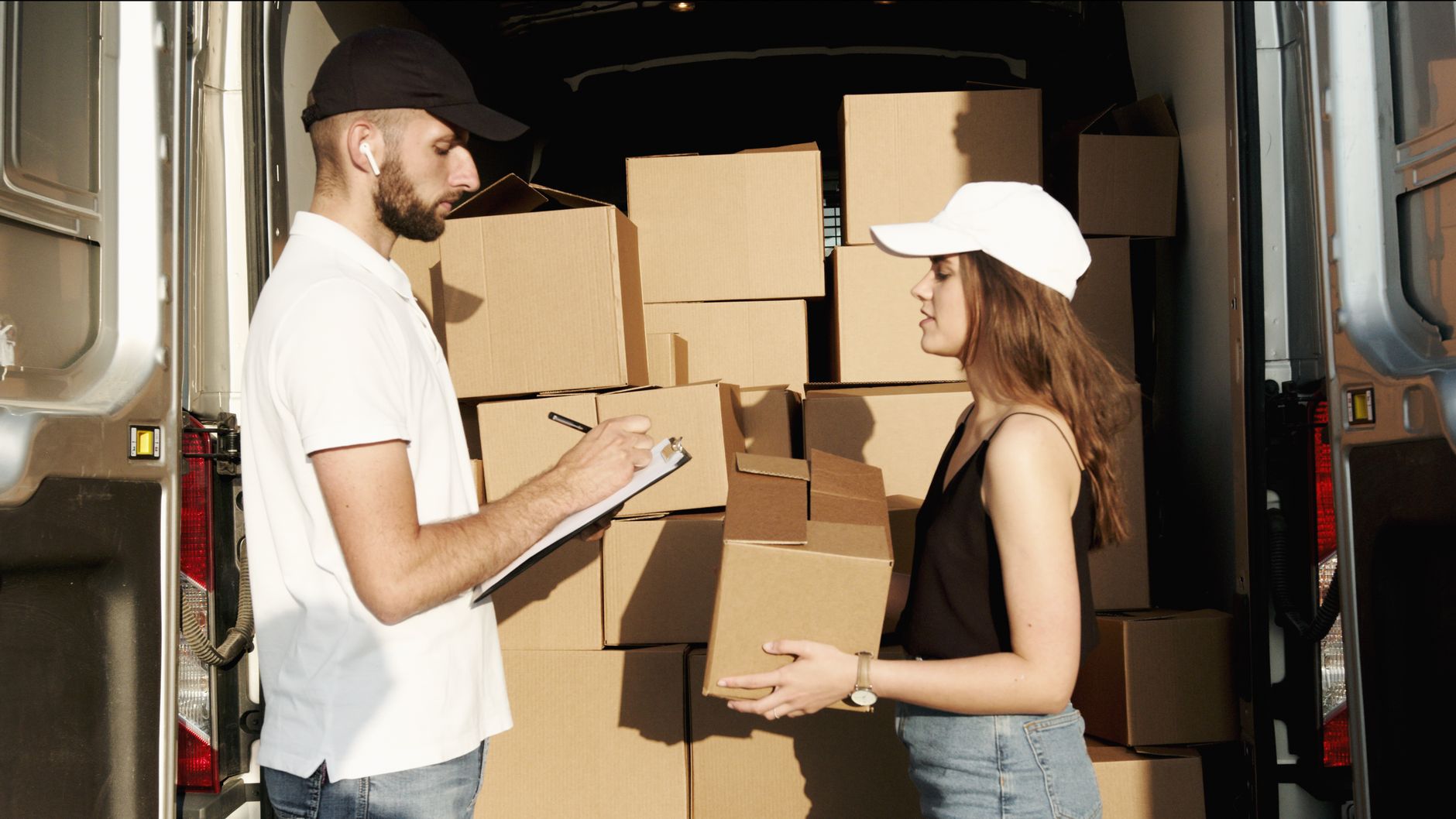
Last-mile delivery refers to the final leg of the delivery process, where products are transported from a distribution center or fulfillment center to the end customer's designated location. This phase is critical in the supply chain as it directly impacts customer satisfaction, brand reputation, and overall logistics efficiency. With the exponential rise of e-commerce and the increasing demand for fast, convenient deliveries, the importance of effective last-mile solutions has grown significantly. It is often cited as the most complex and expensive part of the supply chain, commonly constituting nearly 28% to 50% of the total supply chain costs due to factors like fragmented delivery points, traffic congestion, and variable order sizes (source). Mastering this segment is crucial for businesses aiming to remain competitive and meet evolving consumer expectations.
Etymology and Origins
The term "last-mile delivery" originated not in logistics, but in the telecommunications industry during the late 1990s. It was initially used to describe the final, most challenging segment of cabling from a telecommunications network's central hub to the individual consumer's premises. This segment was characterized by high costs due to varying infrastructure requirements, regulatory hurdles, and fragmented customer locations, despite being a relatively short physical distance.
In the early 2000s, as e-commerce began to rapidly expand, logistics professionals recognized a parallel challenge. The concept was then adapted to represent the crucial final journey products take from a local distribution hub to a customer's doorstep. The phrase effectively captured the disproportionate costs, complexities, and operational hurdles associated with the final leg of package delivery, which often varies significantly across urban, suburban, and rural environments. Its adoption signified a growing industry focus on optimizing this historically overlooked, yet critical, part of the supply chain.
Historical Development
Last-mile delivery has evolved dramatically, mirroring technological advancements and shifts in consumer behavior:
-
Pre-1990s: Traditional Models: Prior to the widespread adoption of the internet, delivery models were primarily focused on Business-to-Business (B2B) logistics, such as freight transportation (LTL, FTL) and bulk deliveries to retail stores. Direct-to-consumer (B2C) deliveries were largely handled by postal services or local couriers, with little emphasis on speed or real-time tracking. Department stores sometimes offered local delivery, but it was not a core competitive differentiator for most businesses (source).
-
1990s: E-commerce Dawn: The advent of the internet and early e-commerce platforms, notably Amazon's launch in 1995, began to shift consumer expectations. While initial deliveries were often slow, the sheer volume of individual packages presented new challenges for established carriers like UPS and FedEx, which had historically focused on B2B shipments. This era marked the beginning of specialized parcel networks adapting to direct-to-consumer demands.
-
2000s: E-commerce Boom and Adaptation: The rapid growth of online retail led to significant innovations. Logistics companies started investing heavily in sortation facilities and expanding their delivery networks. New last-mile options emerged, including basic home delivery services, and later, early forms of click-and-collect (also known as Buy Online, Pick Up In Store - BOPIS) as retailers sought to integrate online and offline channels. This decade saw the initial development of basic route planning software.
-
2010s: Technology Integration and the Gig Economy: The proliferation of smartphones, GPS technology, and advanced data analytics transformed last-mile delivery. Key developments included:
- Real-time Tracking: Customers gained the ability to track their packages, increasing transparency and managing expectations.
- Advanced Route Optimization: Sophisticated algorithms began to minimize costs, predict delivery windows, and dynamically adjust routes based on traffic and weather.
- Rise of the Gig Economy: Companies like Uber Eats and DoorDash leveraged contractor networks for on-demand food delivery, demonstrating the viability of flexible labor models for last-mile logistics, which soon expanded to other retail sectors.
- Specialized Logistics Providers: A new wave of tech-enabled logistics providers emerged, focusing exclusively on last-mile optimization.
-
2020s and Beyond: Automation, AI, and Sustainability: Current trends are pushing the boundaries of efficiency and customer experience:
- Hyper-automation: The integration of robotics in warehouses and the exploration of drone and autonomous vehicle deliveries aim to reduce labor costs and improve speed (source).
- Artificial Intelligence (AI): AI is being used for demand forecasting, predictive routing, anomaly detection, and personalized delivery experiences.
- Micro-fulfillment Centers (MFCs): Strategically located smaller warehouses closer to urban centers are reducing transit times and costs for last-mile delivery.
- Sustainability: A growing emphasis on eco-friendly delivery methods, such as electric vehicles (EVs), cargo bikes, and route consolidation, is driven by consumer demand and regulatory pressures.
- Companies have moved towards deploying mobile warehouse management systems to streamline operations and integrate more seamlessly with last-mile carriers.
Core Concepts
The core concepts of last-mile delivery revolve around optimizing the journey from hub to customer:
-
Delivery Models: These define how packages reach the consumer and include:
- Direct Home Delivery: The most common method, delivering straight to the customer's residence or business. It offers convenience but can be costly due to failed delivery attempts and varying drop-off locations.
- Parcel Lockers: Secure, automated lockers placed in public spaces or residential areas, allowing customers to pick up packages at their convenience. This reduces failed deliveries and offers flexibility.
- Pickup Points (PUDO): Designated retail stores, post offices, or third-party locations where customers can collect their orders. These reduce delivery costs and provide alternatives for customers who are not home during delivery hours.
- Click-and-Collect (BOPIS): Customers order online and pick up from the retailer's physical store, blending e-commerce convenience with in-person collection.
-
Routing Optimization: This involves using advanced algorithms and software to plan the most efficient delivery routes. The goals are to minimize costs (fuel, labor), improve delivery times, reduce mileage, and accommodate various customer preferences (e.g., specific delivery windows). Modern systems utilize real-time traffic data, weather conditions, and machine learning to enable dynamic route adjustments.
-
Technology Integration: Leveraging a suite of technologies is essential for modern last-mile operations. This includes mobile applications for drivers (for navigation, proof of delivery, customer communication), IoT sensors for real-time tracking of vehicles and packages, order management systems for processing and dispatch, and AI-powered analytics for demand forecasting and operational insights. These tools enhance visibility, control, and efficiency.
-
Sustainability Considerations: With increasing environmental awareness and regulatory scrutiny, companies are actively seeking eco-friendly delivery methods. This includes transitioning to electric vehicle (EV) fleets, utilizing cargo bikes in urban areas, optimizing routes to reduce fuel consumption, and consolidating deliveries to minimize vehicle miles traveled. Green logistics initiatives are becoming a significant competitive differentiator.
Industry Applications
Last-mile delivery plays a vital role across various sectors, each with unique requirements:
- E-commerce: The backbone of online shopping experiences. For e-commerce businesses, timely, accurate, and flexible delivery is a key factor in customer retention and competitive differentiation. It also heavily influences reverse logistics (returns management).
- Groceries and Food Delivery: Companies like Instacart, DoorDash, and specialized grocery services rely heavily on efficient last-mile solutions to provide perishable goods to consumers promptly, often requiring refrigerated transport and strict time windows to maintain product quality and freshness.
- Pharmaceuticals and Healthcare: Timely delivery of medications, medical supplies, and critical samples is paramount for health outcomes. This sector demands high reliability, often temperature-controlled transport (cold chain logistics), secure handling, and strict regulatory compliance.
- Manufacturing and B2B: While often associated with B2C, last-mile principles apply in B2B for just-in-time (JIT) deliveries of components to production lines or urgent spare parts to service technicians, where delays can halt operations and incur significant costs.
Benefits and Advantages
The advantages of effective last-mile delivery solutions are multifaceted:
- Enhanced Customer Experience: Timely, reliable, and transparent deliveries, coupled with flexible options, significantly boost overall customer satisfaction and loyalty. Positive delivery experiences translate directly into repeat business and positive brand perception.
- Operational Efficiency and Cost Reduction: Optimizing the last mile through route optimization, load consolidation, and efficient delivery models can significantly reduce associated costs (fuel, labor, vehicle maintenance), improving overall supply chain performance and profitability. Companies can leverage shipping and fulfillment software and pick, pack, ship software to streamline these processes from the warehouse to the customer's door.
- Increased Market Reach: Expanding and refining last-mile capabilities allows businesses to serve a broader customer base, including those in remote or challenging-to-reach geographical areas, opening new market opportunities.
- Competitive Advantage: In an increasingly competitive landscape, efficient and innovative last-mile delivery can be a key differentiator, attracting and retaining customers who prioritize convenience and speed.
Challenges and Limitations
Despite its benefits, last-mile delivery faces several persistent and evolving challenges:
- Cost Management: The last mile remains the most expensive segment of the supply chain. Costs are driven up by factors such as low drop densities (many individual stops), consumer demand for speed and flexibility (e.g., same-day delivery), failed delivery attempts, and high fuel and labor expenses.
- Traffic and Urban Logistics: In metropolitan areas, congestion, parking restrictions, limited access zones, and varied infrastructure can lead to significant delays, increased operational costs, and higher fuel consumption. Urban planning often lags behind delivery demands.
- Customer Expectations: The rising expectation for instant, free, and precise deliveries puts immense pressure on logistics firms. Meeting demands for specific delivery windows, real-time tracking, and effortless returns requires sophisticated systems and significant investment.
- Scalability: Rapid fluctuations in order volumes (e.g., during peak seasons or promotional events) can strain existing delivery infrastructure, requiring flexible and scalable solutions that are difficult to implement cost-effectively.
- Environmental Impact: The increasing number of delivery vehicles contributes to urban pollution and carbon emissions, necessitating costly investments in green fleets and sustainable practices.
Best Practices
To optimize last-mile delivery and overcome its inherent challenges, companies should adopt a strategic approach:
- Implement Advanced Technology Solutions: Utilize comprehensive tools like order management systems, dynamic route optimization software with real-time traffic integration, AI-powered demand forecasting, and mobile applications for drivers to enhance efficiency, visibility, and decision-making.
- Adopt Adaptive and Dynamic Routing: Move beyond static route planning. Implement systems that can make real-time adjustments based on live traffic, new orders, unexpected delays, or driver availability to maintain efficiency and meet delivery windows.
- Prioritize Customer Communication and Transparency: Proactively inform customers about their delivery status, provide real-time tracking links, and offer clear communication channels for updates or issues. This builds trust and reduces customer anxiety. Consider offering flexible delivery options.
- Strategically Utilize Micro-fulfillment Centers (MFCs): Deploy smaller, automated fulfillment centers closer to urban customer bases. MFCs enable faster order processing and significantly reduce the final leg of transportation, making same-day and on-demand delivery more feasible and cost-effective.
- Diversify Delivery Models: Offer a variety of delivery options, including direct-to-home, parcel lockers, and pickup points. This caters to diverse customer preferences, reduces failed deliveries, and can lower overall delivery costs by consolidating packages.
- Invest in Sustainable Solutions: Gradually transition to electric vehicles, explore cargo bikes for dense urban areas, and optimize routes to reduce fuel consumption. This not only benefits the environment but can also enhance brand image and comply with future regulations.
- Foster Strategic Carrier Partnerships: Collaborate with a network of local and national carriers to leverage their specialized expertise, capacity, and geographical reach, especially for peak seasons or specific delivery requirements.
Future Trends
The future of last-mile delivery is set to be shaped by several transformative trends:
- Autonomous Vehicles and Drones: While regulatory and technological hurdles remain, companies are actively exploring the use of self-driving vehicles and delivery drones to reduce labor costs, improve delivery speed, and operate in challenging environments. Initial deployments are likely to be in controlled environments or for specific use cases.
- Hyper-personalization: Beyond choosing delivery times, customers will increasingly expect highly personalized delivery experiences, such as specific drop-off locations within their property, package placement instructions, and predictive delivery notifications based on their routines.
- Advanced Robotics and Automation: Within distribution centers and micro-fulfillment hubs, robotics will play an even larger role in order picking, packing, and staging, further accelerating the preparation process for last-mile dispatch.
- Circular Economy Integration: Last-mile networks will increasingly need to support reverse logistics for returns, repairs, and recycling, becoming an integral part of sustainable supply chains and the circular economy.
- Data-Driven Predictive Logistics: AI and machine learning will enable highly accurate demand forecasting and predictive routing, anticipating delivery needs before they arise and optimizing resources proactively.
Conclusion
Last-mile delivery is a complex, dynamic, and rapidly evolving segment of the logistics industry, playing an indispensable role in customer satisfaction, operational efficiency, and overall business success. As consumer expectations continue to rise and technological innovations accelerate, businesses that strategically leverage advanced technologies, embrace diverse delivery models, and prioritize sustainability will be best positioned to thrive in the competitive landscape of modern logistics. Continuous adaptation, investment in robust systems like mobile order fulfillment software, and a customer-centric approach are essential for mastering the challenges and capitalizing on the opportunities within the last mile.