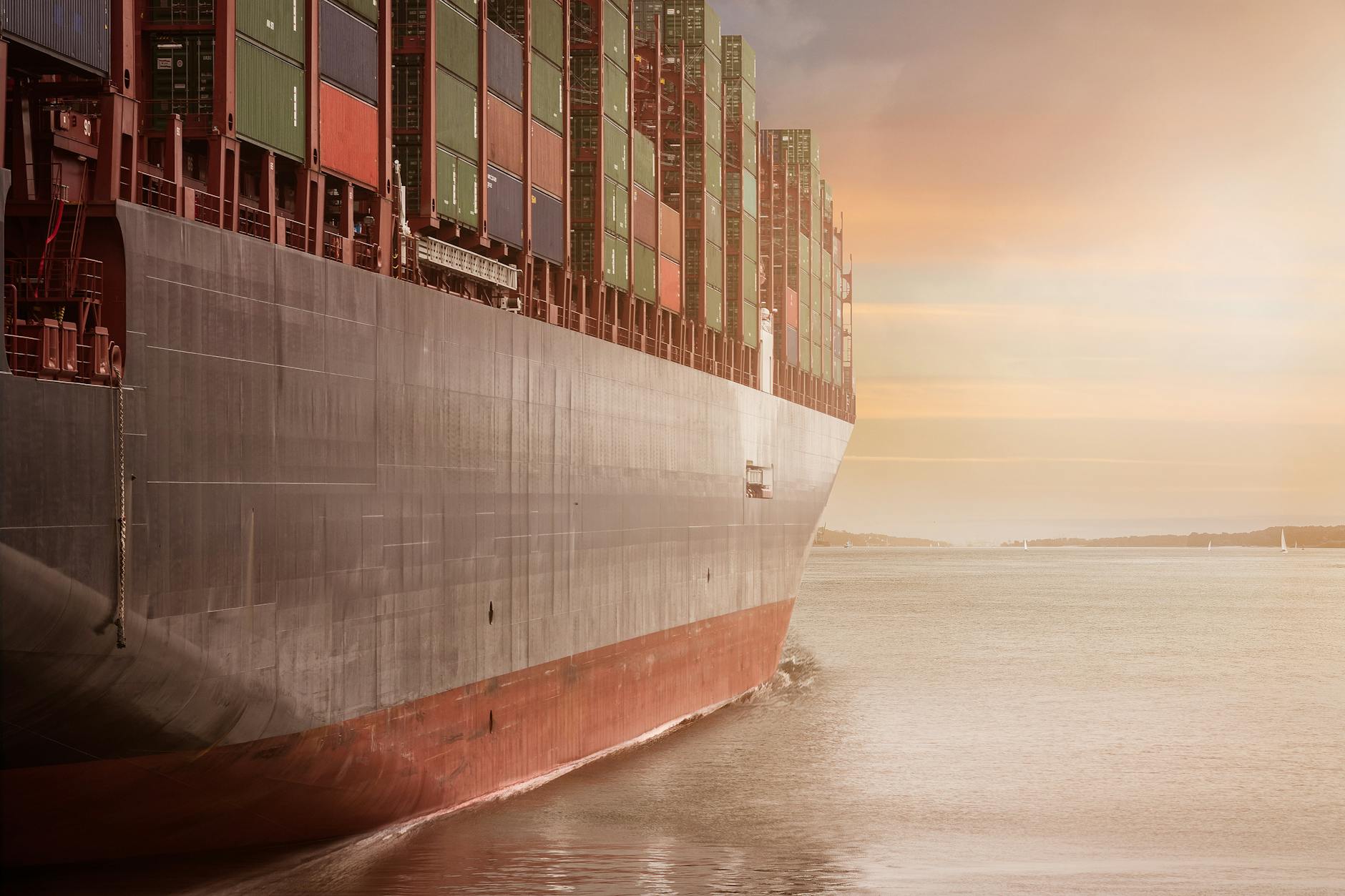
Hapag-Lloyd
Overview
Hapag-Lloyd AG is a prominent global shipping company headquartered in Hamburg, Germany. Established as a merger between the Hamburg-Amerika Line (HAPAG) and the Norddeutscher Lloyd (NDL) in 1970, it now operates one of the world's largest fleets of container ships. As of 2023, Hapag-Lloyd is consistently ranked among the top five largest container shipping lines globally by vessel capacity. Hapag-Lloyd is a key player in the global supply chain, providing container shipping services across numerous trade routes and catering to various industries, managing a fleet of over 250 container ships with a total transport capacity of approximately 1.8 million TEU (Twenty-foot Equivalent Units).
History
Formation and Early Years
The genesis of Hapag-Lloyd dates back to the mid-19th century, a period of significant growth in international trade and transatlantic migration [2]. The Hamburg-Amerikanische Packetfahrt-Actien-Gesellschaft (HAPAG), or Hamburg-America Line, was founded in 1847 by a group of Hamburg merchants. HAPAG quickly became a pioneer in the German shipping industry, initially focusing on transatlantic passenger and cargo services between Hamburg and North America, and later expanding to global routes. Norddeutscher Lloyd (NDL), or North German Lloyd, was established in Bremen in 1857. NDL also grew rapidly, distinguishing itself with fast and reliable steamship services, becoming a major player in both passenger and freight transportation across the Atlantic and to East Asia.
The companies merged in 1970 amid a challenging shipping landscape. The containerization revolution, which began in the mid-1950s, was transforming maritime transport, requiring significant investment in new vessels and port infrastructure [3]. Facing increasing competition and the need for economies of scale, HAPAG and NDL, though historically rivals, decided to pool resources. The merger created Hapag-Lloyd AG, a combined entity better equipped to navigate the capital-intensive and rapidly evolving global container shipping market. Over the decades, Hapag-Lloyd expanded its fleet and integrated advanced technologies into its operations.
Expansion and Acquisitions
From the 1990s onward, Hapag-Lloyd underwent significant growth through various strategic acquisitions and mergers, enhancing its capabilities and global reach. A pivotal moment was the acquisition of CP Ships in 2005, which added substantial vessel capacity and a strong presence in the lucrative transatlantic and Latin American trades. This acquisition cemented Hapag-Lloyd's position as one of the world's leading container shipping companies.
Further solidifying its market standing, Hapag-Lloyd merged with the Chilean shipping company Compañía Sud Americana de Vapores (CSAV) in 2014. This merger significantly bolstered Hapag-Lloyd's presence in Latin America, making it a dominant carrier in this region. In 2017, Hapag-Lloyd completed another major acquisition, integrating the container liner business of United Arab Shipping Company (UASC). This move brought a fleet of larger, more fuel-efficient vessels, particularly suited for East-West trades, and expanded Hapag-Lloyd's network in the Middle East and Africa.
Technological Advancements
Throughout its history, Hapag-Lloyd has embraced technological innovation, evolving from steamships to modern container vessels and digital logistics solutions. The company was an early adopter of containerization itself, recognizing its potential to revolutionize cargo handling efficiency. More recently, Hapag-Lloyd has focused on digitalization to improve operational efficiency and customer experience. The adoption of digital shipping solutions and advanced tracking systems has improved transparency and efficiency in cargo handling and logistics processes. Initiatives include the development of a customer-centric online business platform, the use of smart containers with real-time tracking capabilities, and the application of data analytics for route optimization and fuel efficiency, ensuring timely delivery and optimal customer service. These advancements contribute to more streamlined supply chain management and enhanced visibility for clients.
Products and Services
Hapag-Lloyd provides a comprehensive range of shipping and logistics services, designed to meet the diverse needs of global trade:
- Container Shipping: Specialized in the transport of containers across international trade routes. This includes services for Full-Container Loads (FCL) for large shipments and Less-than-Container Loads (LCL) for smaller consignments, offering flexibility and cost-effectiveness for various cargo volumes.
- Logistics Solutions: Comprehensive logistics management services that extend beyond ocean transport. These include intermodal transport (combining sea, rail, and road), customs clearance, cargo insurance, and supply chain consultancy to optimize clients' operations from origin to destination.
- Reefer Services: Dedicated transportation of temperature-sensitive goods in refrigerated containers (reefers). This critical service caters to industries such as food (fresh produce, frozen goods), pharmaceuticals, and chemicals, ensuring product integrity through precise temperature control and monitoring.
- Special Cargo (Project Cargo & Dangerous Goods): Handling oversized, heavy, and complex cargo transportation, including machinery, infrastructure components, and hazardous materials. Hapag-Lloyd provides specialized equipment and expert planning for these challenging shipments, adhering to stringent safety regulations.
Role in Logistics and Supply Chains
Hapag-Lloyd plays a critical role in the global logistics infrastructure, acting as a vital link in international trade. By connecting manufacturers and suppliers with markets worldwide, it facilitates trade flows and enhances overall supply chain efficiency. The company's vast network of routes, extensive fleet, and intermodal capabilities enable quick and reliable delivery, contributing to reduced transit times and lower inventory costs for customers globally. Their commitment to reliable scheduling and capacity ensures that globalized production chains can operate smoothly, supporting just-in-time delivery models and overall supply chain resilience.
Industries Served
The company serves a diverse array of sectors, often requiring specialized logistics approaches:
- Automotive: Providing tailored logistics solutions for the complex automotive supply chain, ensuring timely delivery of components to manufacturing plants and finished vehicles to markets.
- Consumer Goods: Facilitating the rapid and efficient movement of retail goods, from apparel to electronics, ensuring products reach shelves quickly to meet consumer demand.
- Agriculture and Food: Transporting agricultural products, fresh produce, and processed food items with specialized reefer services that maintain optimal conditions throughout transit.
- Pharmaceuticals: Offering highly specialized logistics services for the pharmaceutical industry, including temperature-controlled transport and secure handling to maintain product integrity and regulatory compliance.
- Chemicals: Providing expert transport solutions for various chemicals, including hazardous materials, with a strong focus on safety and adherence to international regulations.
Documented Limitations
Despite its strong position as a global leader, Hapag-Lloyd, like the broader shipping industry, faces significant challenges:
- Market Volatility: The container shipping industry is highly cyclical and experiences extreme fluctuations in demand, freight rates, and fuel prices. These volatilities can impact profitability and operational planning, requiring agile capacity management strategies.
- Environmental Regulations: Increasingly stricter international regulations on emissions, such as the IMO 2020 sulfur cap and future greenhouse gas reduction targets, necessitate substantial investments in modernizing fleets, adopting alternative fuels, and implementing sustainable operational practices to comply with international standards.
- Geopolitical Factors: Changes in global trade policies, trade wars, sanctions, and geopolitical tensions can significantly disrupt shipping routes, increase operational costs, and affect service reliability. Events like the Suez Canal blockage or regional conflicts highlight the vulnerability of global shipping lanes.
- Cybersecurity Threats: As shipping operations become increasingly digitized, the risk of cyberattacks targeting IT systems, operational technology, and vessel navigation grows, posing a threat to data security and operational continuity [4].
Conclusion
As a leader in the global shipping industry, Hapag-Lloyd continues to navigate the complex dynamics of international trade, supply chain disruptions, and environmental imperatives. With its commitment to innovation, strategic growth through mergers and acquisitions, sustainability initiatives, and focus on customer service and digitalization, it remains a vital component in the logistics ecosystem, ensuring that goods are transported efficiently and effectively across the globe. Its ongoing investments in modern fleet technology and digital infrastructure underscore its commitment to maintaining a competitive edge and resilient operations for future global trade.
Sources
- Hapag-Lloyd Official Website: www.hapag-lloyd.com
- [2] Corlett, E. (1989). The Revolution in Merchant Shipping 1950-1980. H.M. Stationery Office. (Discusses post-war shipping history and containerization).
- [3] Levinson, M. (2016). The Box: How the Shipping Container Made the World Smaller and the World Economy Bigger. Princeton University Press. (Provides context on containerization's impact on shipping mergers).
- [4] BIMCO. (2020). The Shipping Industry’s Guide to Cyber Security Risk Management. (General industry reference for maritime cybersecurity).
- [5] Alphaliner Top 100: https://alphaliner.axsmarine.com/PublicTop100/