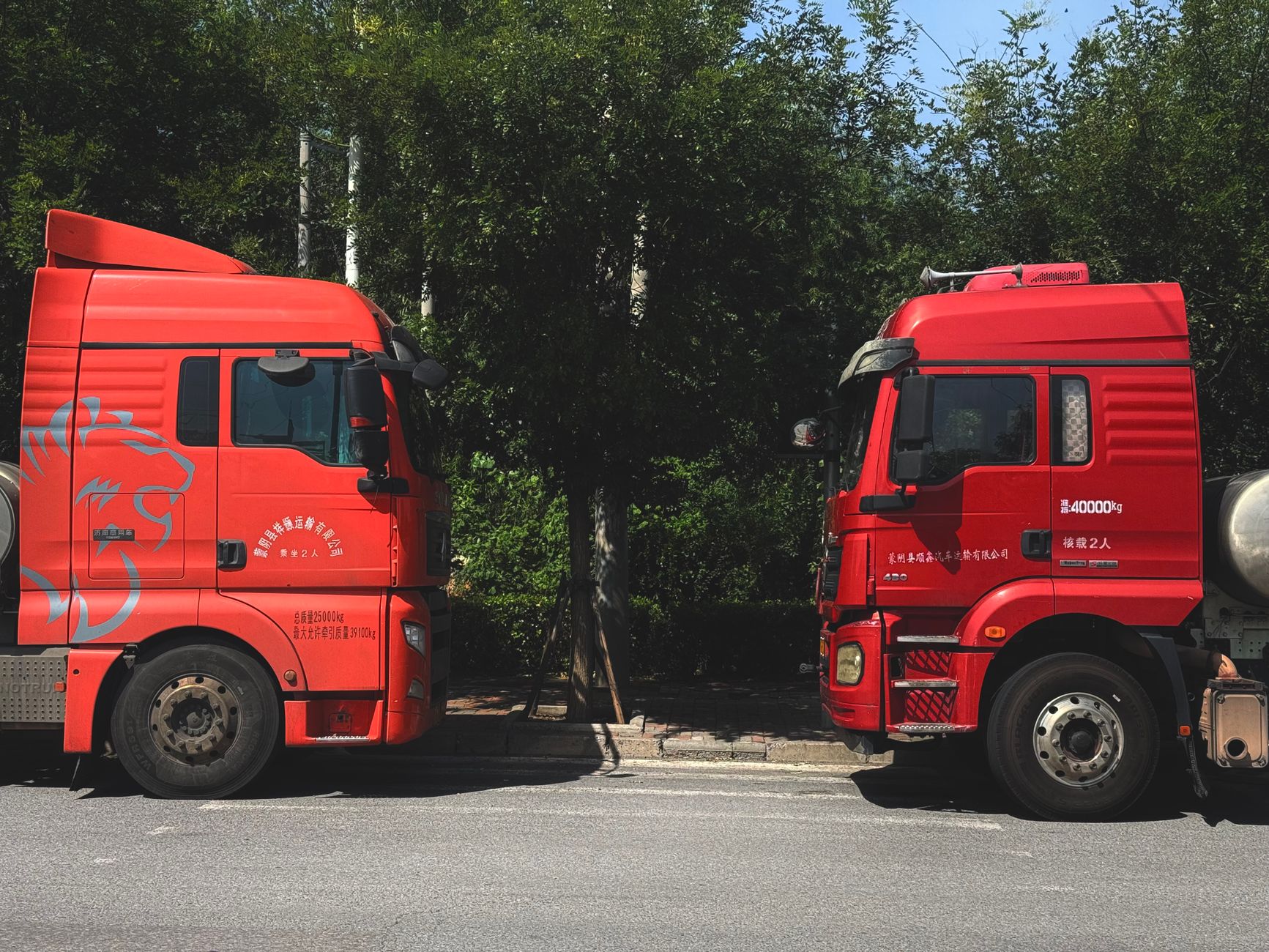
Dual Sourcing vs Single Sourcing
Overview
In supply chain management, the terms dual sourcing and single sourcing refer to strategic approaches to acquiring goods or services from external suppliers. Single sourcing involves procuring a specific product or service from only one supplier, often fostering deep collaborative relationships. Conversely, dual sourcing entails using two distinct suppliers for the same product or service, aiming to balance risk mitigation with competitive dynamics. The decision between these sourcing strategies is a critical component of supply chain design, directly impacting cost efficiency, supply chain resilience, risk management, and overall operational optimization.
Etymology and Origins
The concept of sourcing in a business context evolved from the more fundamental practice of 'purchasing' or 'procurement'. While purchasing traditionally focused on transactional activities like buying goods at the lowest price, sourcing emerged as a strategic function in the mid-20th century, emphasizing long-term supplier relationships, value creation, and supply chain integration [https://www.mheducation.com/highered/product/purchasing-supply-management-monczka-handfield/9781260226384.html]. The term highlights the strategic decision-making process involved in identifying, evaluating, and engaging suppliers.
The idea of single sourcing gained significant traction from the late 1970s and early 1980s, primarily influenced by Japanese manufacturing philosophies, particularly Toyota Production System's (TPS) emphasis on Just-in-Time (JIT) principles. Toyota's approach prioritized deep partnerships with a limited number of suppliers, fostering mutual trust, continuous improvement, and synchronized production schedules over fragmented multi-vendor competitive bidding [https://www.simonandschuster.com/books/The-Machine-That-Changed-the-World/James-P-Womack/9780743299796]. This marked a shift from purely transactional relationships to more collaborative, value-driven partnerships, where the single supplier often played a crucial role in product development and quality assurance.
Dual sourcing, while implicitly practiced earlier, became a more formally recognized strategy as businesses increasingly recognized the vulnerabilities inherent in single-source dependencies, particularly with the globalization of supply chains. It represents a deliberate strategic choice to balance the benefits of strong supplier relationships with the need for supply continuity and risk mitigation, especially in the face of geopolitical instabilities, natural disasters, or supplier-specific disruptions [https://www.wiley.com/en-us/The+Resilient+Supply+Chain%3A+How+to+Manage+Disruptions%2C+Reduce+Risk%2C+and+Build+a+Stronger+Global+Business-p-9781119561937]. The term reflects a pragmatic evolution in supply chain thinking, aiming to maintain some of the advantages of concentrated sourcing while building in redundancy.
Historical Development
Early Procurement and Industrialization (Pre-1950s)
In the early industrial era, procurement was often a decentralized and tactical function, primarily focused on obtaining raw materials at the lowest possible price. Companies frequently engaged in multi-sourcing (using many suppliers for the same item) to foster fierce competition and secure price advantages. Vertical integration was also common, with companies owning many parts of their supply chain, reducing reliance on external suppliers [https://www.wiley.com/en-us/The+Resilient+Supply+Chain%3A+How+to+Manage+Disruptions%2C+Reduce+Risk%2C+and+Build+a+Stronger+Global+Business-p-9781119561937].
Emergence of Strategic Purchasing (1950s-1960s)
The post-World War II economic boom and increasing complexity of manufacturing led to a more organized approach to purchasing. As companies grew, the need for consistent material flow and cost control elevated purchasing's role. Early inventory management techniques, though manual, began to influence supplier selection. However, the dominant paradigm often remained multi-sourcing to ensure supply and drive down costs through competitive bidding.
The Rise of Japanese Manufacturing and Single Sourcing (1970s-1980s)
The 1970s and 1980s saw a significant shift, largely driven by the success of Japanese manufacturing, particularly lean manufacturing and Just-in-Time (JIT) principles pioneered by companies like Toyota. Toyota demonstrated that focusing on deep, collaborative relationships with a small number of suppliers, even single-sourcing for critical components, could lead to superior quality, efficiency, and innovation. This challenged the traditional Western view of maintaining multiple suppliers for every item. Seminal works like The Machine That Changed the World (1990) by Womack, Jones, and Roos popularized these concepts, highlighting the benefits of single sourcing for strategic advantage, quality improvement, and waste reduction [https://www.simonandschuster.com/books/The-Machine-That-Changed-the-World/James-P-Womack/9780743299796]. Concurrently, the development of Material Requirements Planning (MRP) systems in the 1960s and 70s, evolving into Manufacturing Resource Planning (MRP II), provided better tools for managing inventory and production, indirectly supporting more planned supplier relationships.
Globalization and Risk Awareness (1990s-2000s)
By the 1990s, the rise of global trade, advanced information technology, and the internet introduced greater complexity and interconnectedness to supply chains. Companies began outsourcing more operations to leverage global cost advantages, making supplier management even more critical. This era saw the widespread adoption of Enterprise Resource Planning (ERP) systems, which integrated various business functions, including procurement, providing a more holistic view of the supply chain. While single sourcing remained attractive for its efficiency, increasing global dependencies and early supply disruptions (e.g., natural disasters, geopolitical events) began to highlight its inherent risks. This period marked the initial re-evaluation of purely single-sourcing strategies for high-risk items, subtly pushing some organizations towards diversified approaches, including dual sourcing.
Resilience and Diversification (2010s-Present)
The 2000s and 2010s brought a series of high-profile supply chain disruptions, including the SARS epidemic, the 2011 Fukushima earthquake and tsunami, and various geopolitical tensions. These events starkly exposed the vulnerabilities of highly optimized, lean, and often single-sourced supply chains. The need for supply chain resilience became paramount. This period has seen a significant increase in the adoption of dual sourcing and multi-sourcing strategies as a deliberate risk mitigation tactic [https://www.wiley.com/en-us/The+Resilient+Supply+Chain%3A+How+to+Manage+Disruptions%2C+Reduce+Risk%2C+and+Build+a+Stronger+Global+Business-p-9781119561937]. The COVID-19 pandemic further accelerated this trend, forcing many companies to prioritize resilience over pure cost efficiency, leading to a renewed interest in diversifying supplier bases and even reshoring or nearshoring efforts [https://www.mckinsey.com/capabilities/operations/our-insights/building-supply-chain-resilience]. Technology, including advanced analytics, AI, and Supplier Relationship Management (SRM) software, has become essential for managing the increased complexity of multiple suppliers and optimizing sourcing decisions.
Core Concepts
Single Sourcing
Single sourcing involves relying on one supplier for a particular good or service. This strategy is often favored for:
- Cost Benefits: While it may seem counterintuitive, single sourcing can lead to lower total cost of ownership through significant volume discounts, reduced administrative overhead in managing fewer relationships, and optimized logistics. Strategic partnerships can also drive down costs through shared investments and continuous improvement initiatives.
- Quality Assurance: Deeper integration with a single supplier allows for more rigorous quality control processes, shared quality improvement goals, and better consistency in product specifications. The supplier has a greater vested interest in maintaining a high quality standard to retain the business.
- Simplified Logistics and Communication: Managing a single supplier significantly reduces administrative complexity, streamlines communication channels, and simplifies inventory management. This can also lead to faster new product introduction (NPI) due to closer collaboration.
- Innovation and Specialization: A dedicated supplier may be more willing to invest in specialized equipment or R&D for a specific client, leading to custom solutions and competitive advantages.
However, challenges include high dependency on a single source, which can risk severe supply disruptions if the supplier faces issues like financial instability, production failures, natural disasters, or labor disputes. This can also lead to reduced negotiation power over time.
Dual Sourcing
Conversely, dual sourcing involves engaging two suppliers for the same product or service. This strategy offers several advantages:
- Risk Mitigation: The primary benefit is reducing dependency on one supplier, thereby decreasing the risk of catastrophic supply chain interruptions. If one supplier fails, the other can potentially ramp up production to cover the shortfall, ensuring continuity of supply [https://www.wiley.com/en-us/The+Resilient+Supply+Chain%3A+How+to+Manage+Disruptions%2C+Reduce+Risk%2C+and+Build+a+Stronger+Global+Business-p-9781119561937].
- Competitive Pricing and Leverage: Dual sourcing can foster healthy competition between the two suppliers, encouraging them to offer better pricing, service, and innovation to secure a larger share of the business. This often provides the buyer with stronger negotiation power.
- Flexibility and Redundancy: Provides greater flexibility to scale production up or down based on demand fluctuations and offers a built-in backup for unforeseen events. This redundancy is crucial for building resilient supply chains.
- Benchmarking and Best Practices: Having two suppliers allows for benchmarking performance, comparing quality, delivery, and cost, which can drive continuous improvement across both suppliers.
However, managing relationships and logistics with multiple suppliers can introduce complexity, increased administrative overhead, and potentially higher unit costs if volumes are split too thinly, reducing volume discounts.
Benefits and Advantages
Choosing between single and dual sourcing requires careful consideration of potential benefits and trade-offs, often guided by product criticality, market dynamics, and risk appetite:
- Risk Management: Dual sourcing inherently mitigates risks associated with geopolitical issues, natural disasters, supplier bankruptcy, or quality failures. For critical components, the cost of potential disruption often outweighs the higher unit cost of dual sourcing. Single sourcing, conversely, concentrates risk, making thorough due diligence and strong relationship management paramount.
- Cost Structure: Single sourcing can lead to significant cost savings by securing larger volume discounts, reducing administrative effort, and fostering long-term cost reduction initiatives. However, dual sourcing can promote competitive pricing and prevent supplier complacency, potentially leading to better overall value over time. Effective purchase order management systems are crucial for optimizing cost under either strategy.
- Supply Chain Resilience: Companies employing dual sourcing can solve supply shortfalls more quickly, ensuring production continuity even in adverse conditions. This strategy enhances the overall robustness and adaptability of the supply chain. Single sourcing relies heavily on the resilience of that one supplier, making it more vulnerable to external shocks.
- Strategic Partnership vs. Competition: Single sourcing cultivates deep, trust-based partnerships, often leading to co-innovation and shared strategic goals. Dual sourcing leverages competition to drive performance, which can be beneficial for commodities or less strategic components.
Challenges and Limitations
Each sourcing strategy presents unique challenges that must be carefully managed:
-
Single Sourcing Challenges:
- High Dependency and Risk: Extreme vulnerability to supplier issues (e.g., production halts, financial distress, natural disasters, geopolitical events). A single point of failure can cripple an entire production line or business operation.
- Reduced Negotiation Power: Over time, the buyer's leverage may diminish, leading to less favorable terms or price increases, especially if switching costs are high.
- Lack of Benchmarking: Without alternative suppliers, it can be difficult to gauge if the current supplier is offering competitive pricing, quality, or service.
- Supplier Complacency: A lack of competition might lead to reduced innovation or less motivation for continuous improvement from the supplier.
-
Dual Sourcing Limitations:
- Increased Complexity and Administrative Overhead: Managing two supplier relationships, two sets of contracts, two logistics flows, and potentially two quality control processes requires more resources and effort. Tools like a vendor portal can help streamline communication and documentation.
- Split Volumes and Higher Costs: Splitting order volumes between two suppliers can reduce the quantity purchased from each, potentially leading to smaller volume discounts and higher unit costs compared to concentrating all volume with one supplier. There might also be duplicated setup costs.
- Quality Inconsistency: Maintaining consistent quality across two different suppliers can be challenging, potentially requiring more stringent incoming quality inspections.
- Potential for Competition Issues: Suppliers might underperform or engage in price wars that destabilize the market, or conversely, collude to maintain prices.
Best Practices
To effectively implement either sourcing strategy, supply chain professionals should consider these best practices:
- Thorough Risk Assessment: Conduct comprehensive risk assessments to understand potential vulnerabilities across the supply chain. Identify critical components that would benefit most from dual sourcing and less critical ones where single sourcing might be acceptable. This should include financial, operational, geopolitical, and environmental risks.
- Supplier Qualification and Performance Management: Regardless of the strategy, rigorously qualify all potential suppliers. For single sourcing, this involves intensive due diligence. For dual sourcing, ensure both suppliers meet stringent criteria. Implement robust supplier performance management (SPM) frameworks to monitor key performance indicators (KPIs) like on-time delivery, quality, cost, and responsiveness.
- Foster Strong Relationships: For single sourcing, cultivate deep, strategic partnerships built on trust, transparency, and mutual goals for innovation and continuous improvement. For dual sourcing, maintain professional, fair relationships that encourage healthy competition and collaboration where appropriate.
- Clear Contractual Agreements: Establish comprehensive contracts that define terms, conditions, quality standards, intellectual property rights, disaster recovery plans, and exit strategies for both single and dual sourcing scenarios.
- Regular Strategy Review: Market conditions, geopolitical landscapes, and product lifecycles change. Regularly review sourcing strategies to adapt to new realities, evaluate supplier performance, and reassess risk tolerance. This agile approach ensures the strategy remains optimal.
- Technology Leverage: Utilize advanced analytics, AI, and integrated platforms to gain visibility into supplier performance, manage contracts, track inventory, and automate purchase orders. This can significantly reduce the administrative burden of managing multiple suppliers and enhance decision-making.
Technology and Tools
The evolution of technology plays a pivotal role in managing complex sourcing strategies and mitigating associated risks:
- Supplier Relationship Management (SRM) Software: These tools are vital for managing supplier data, performance metrics, communication, and contracts. A vendor portal, for instance, can streamline interactions, facilitate information exchange, and manage purchase orders, crucial for both single and dual sourcing strategies.
- Inventory Management Systems: Advanced systems like visual inventory management systems allow organizations to track stock levels in real-time, anticipate demand, and optimize inventory across potentially multiple supplier inputs. This helps in managing buffer stock for single-sourced items and balancing inventory between dual suppliers.
- Purchase Order Management Systems: These systems, such as SkuSavvy's Purchase Order Management solution, automate the creation, approval, and tracking of purchase orders. They provide transparency into procurement processes, ensure compliance, and can manage complex ordering schedules for both single and dual suppliers, helping to secure volume discounts or split orders effectively.
- Supply Chain Analytics and AI: Predictive analytics and artificial intelligence can analyze vast amounts of data to forecast demand, identify potential supplier risks (e.g., financial distress, geopolitical instability), optimize inventory levels, and suggest optimal sourcing strategies based on real-time data and historical performance.
- ERP Systems: Integrated Enterprise Resource Planning (ERP) systems offer a holistic view of the business, connecting procurement with production, finance, and sales, which is essential for strategic sourcing decisions and managing the flow of goods from various suppliers.
Future Trends
Looking ahead, businesses are likely to continue exploring hybrid sourcing models, which strategically combine the benefits of single and dual sourcing based on product criticality, market volatility, and risk profiles. For instance, a company might single-source high-value, custom-designed components to foster deep innovation, while dual-sourcing commodity items to ensure supply continuity and competitive pricing.
The emphasis on supply chain resilience will remain a dominant trend, driving further investment in diversified sourcing networks, including regionalization and nearshoring efforts to shorten supply chains and reduce geopolitical risks [https://www.mckinsey.com/capabilities/operations/our-insights/building-supply-chain-resilience]. The incorporation of AI and machine learning in supply chain management will become even more sophisticated, enabling companies to proactively manage supplier risks, optimize sourcing decisions in real-time, and automate much of the supplier relationship management. Furthermore, sustainability and ethical sourcing will increasingly influence supplier selection, adding another layer of complexity and strategic importance to sourcing decisions, pushing companies to consider not just cost and risk, but also the environmental and social impact of their supplier base.