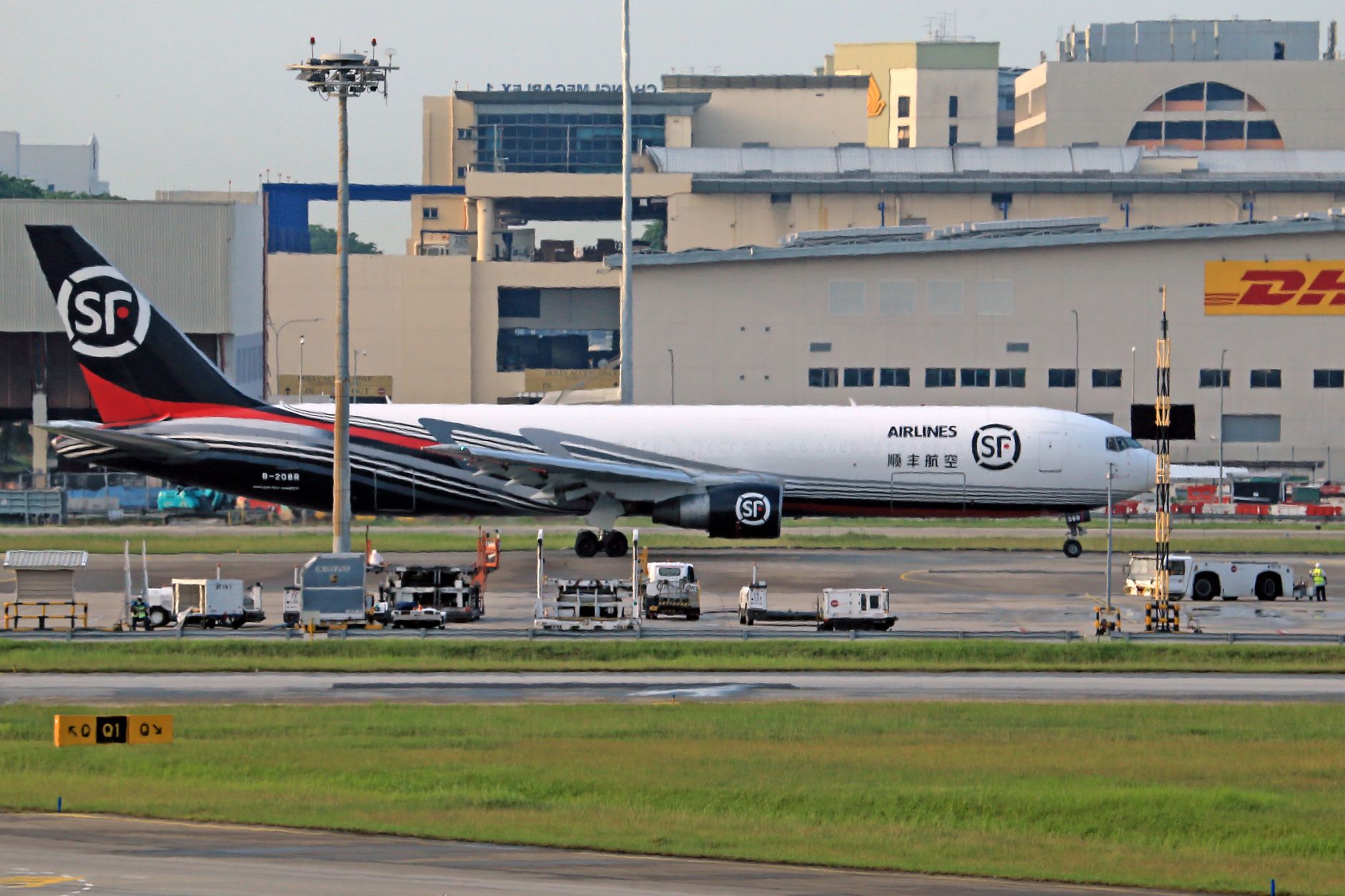
Overview
Aircraft-on-Ground (AOG) logistics refers to the specialized processes involved in the rapid supply of parts, repairs, and services needed for aircraft that are grounded due to technical issues, scheduled maintenance, or unforeseen malfunctions. The primary objective of effective AOG logistics is to minimize aircraft downtime, often referred to as 'out-of-service' time, and ensure that airlines and operators can restore operational capacity as quickly and safely as possible. This logistics practice is paramount in the aviation industry because an AOG situation can lead to significant operational disruptions, including flight cancellations, severe customer dissatisfaction, and substantial financial losses for airlines and cargo carriers 4. According to the Association for Supply Chain Management (ASCM), efficient and agile supply chains are essential for managing AOG situations effectively, highlighting the critical role of robust logistics networks.
Etymology and Origins
The term "Aircraft-on-Ground" (AOG) emerged within the aviation industry as a precise descriptor for any aircraft rendered inoperable, often unexpectedly, requiring immediate attention. While the concept of rapidly provisioning parts for grounded aircraft has existed since the early days of aviation, the formalization and widespread use of the acronym "AOG" gained traction as commercial aviation expanded in the mid-20th century. The phrase signifies both the critical technical state of an aircraft and the urgent logistical challenge it presents. It was specifically coined to denote the highest priority for spare parts delivery and maintenance scheduling, indicating that an aircraft cannot fly until a particular issue is resolved 5. This formal prioritization became essential with the increasing complexity and capital intensity of jet aircraft operations.
Historical Development
AOG logistics, as a distinct discipline, evolved significantly alongside the growth and technological advancements of the aviation industry. Its prominence began to solidify from the mid-20th century onwards:
- Pre-1950s (Early Aviation): During the early days of aviation and through World War II, maintenance and parts provisioning were often localized and less formalized. Aircraft downtime was accepted as a frequent occurrence, and logistics were largely reactive, relying on local workshops and available stockpiles. The concept of rapid deployment of parts was nascent, mainly driven by military imperatives 6.
- 1950s-1960s (Jet Age Emergence): With the introduction of commercial jet aircraft like the Boeing 707 and Douglas DC-8, the economic impact of grounded aircraft became much higher. The increased speed and capacity of these jets meant that delays cascaded across networks. Airlines began establishing more structured parts departments and rudimentary expedited shipping procedures. The term 'AOG' started to gain currency as a specific status requiring immediate action.
- 1970s (Wide-body Era & Early Computerization): The advent of wide-body aircraft (e.g., Boeing 747, Airbus A300) dramatically increased the demand for a wider variety of spare parts, specialized tooling, and highly skilled technicians. The sheer size and complexity of these aircraft meant that an AOG event could impact hundreds of passengers and significant revenue. This era saw the first widespread implementation of Computerized Maintenance Management Systems (CMMS) and Material Requirements Planning (MRP) systems, which enabled better tracking of parts inventory, maintenance schedules, and procurement processes, moving away from purely manual systems.
- 1980s (Logistics Optimization & Global Reach): Focus shifted towards optimizing logistics chains. Airlines and MRO providers started to establish global parts networks, leveraging air cargo services to deliver critical components across continents. The concept of hub-and-spoke models for parts distribution began to take shape. Early forms of electronic data interchange (EDI) facilitated communication between airlines and suppliers.
- 1990s (Just-in-Time & Lean Principles): The influence of just-in-time (JIT) inventory systems and lean manufacturing principles spread to the aviation MRO sector. The goal was to reduce inventory holding costs by ensuring timely delivery of critical parts only when needed, further emphasizing the urgency and efficiency of AOG responses. This required tighter integration between airlines, MRO providers, and parts suppliers.
- 2000s (Integrated Supply Chain Solutions & 9/11 Impact): The rise of integrated supply chain solutions brought together airlines, suppliers, logistics providers, and MRO facilities into more cohesive networks. Post-9/11 security enhancements also added new layers of complexity to customs clearance and cargo screening, requiring AOG logistics to adapt rapidly 7. Enterprise Resource Planning (ERP) systems began to incorporate MRO functionalities, providing a more holistic view of operations.
- 2010s (Data Analytics, IoT & Predictive Maintenance): The incorporation of data analytics, the Internet of Things (IoT), and advanced telematics revolutionized AOG logistics. Sensor data from aircraft enabled enhanced predictive maintenance, allowing for quicker identification of potential issues before they lead to AOG situations. Real-time tracking and visibility of parts in transit became standard practice.
Core Concepts
Aircraft-on-Ground logistics encompasses several core elements, each critical for rapid resolution:
- Part Identification and Sourcing: The immediate and accurate identification of the required part, often by a specific part number, is paramount. AOG teams, typically highly specialized and available 24/7, then rapidly source these parts from approved suppliers, internal inventories, or other airlines globally. This often involves urgent purchase order management and leveraging pre-established vendor relationships.
- Expedited Logistics Management: This involves orchestrating the fastest possible transportation, including chartering aircraft, utilizing express air freight, and managing complex customs clearance processes across international borders. It demands precise planning and coordination of shipping arrangements, often under tight regulatory scrutiny, to get the part from origin to the grounded aircraft's location.
- Collaboration with Suppliers and MROs: Maintaining robust and responsive relationships with original equipment manufacturers (OEMs), authorized distributors, and Maintenance, Repair, and Overhaul (MRO) facilities is essential. These partnerships often involve dedicated AOG hotlines and pre-negotiated service level agreements (SLAs) to prioritize urgent requests. A vendor portal can streamline communication and order placement.
- Regulatory Compliance and Documentation: Every part used in aviation must meet stringent airworthiness standards set by authorities like the FAA (Federal Aviation Administration) or EASA (European Union Aviation Safety Agency). AOG logistics must ensure all parts are accompanied by correct certification and documentation, such as Form 8130-3 or EASA Form 1, to ensure regulatory compliance and traceability 8.
- Performance Metrics and Continuous Improvement: Key Performance Indicators (KPIs) such as turnaround time (TAT), Mean Time to Repair (MTTR), parts availability rate, and logistical costs are continuously monitored. This data drives continuous improvement efforts, refining processes, optimizing inventory strategies, and enhancing supplier performance to achieve faster, more cost-effective AOG resolutions.
Industry Applications
AOG logistics is crucial across various sectors within the aviation industry, impacting diverse operational models:
- Commercial Airlines: For large passenger carriers, AOG logistics is fundamental to maintaining flight schedules and customer satisfaction. Minimizing downtime directly impacts revenue, as a grounded commercial aircraft can cost tens of thousands of dollars per hour in lost revenue, crew costs, and passenger compensation 9. Efficient AOG response is a competitive differentiator.
- Cargo Airlines and Express Carriers: In time-sensitive cargo operations, any delay due to an AOG situation can have severe ripple effects across global supply chains, impacting just-in-time deliveries and potentially causing significant losses for shippers. AOG logistics in this sector often involves even tighter delivery windows and specialized handling for sensitive freight.
- Business Aviation (Private Jets and Charter Services): While fleets are smaller, the expectation for immediate readiness and bespoke service is extremely high. AOG situations in this sector often require highly personalized and rapid logistics solutions, sometimes involving parts delivery to remote locations or during non-standard hours, given the varied and often unscheduled nature of their operations.
- Military and Defense Aviation: AOG logistics is critical for maintaining operational readiness and national security. Rapid sourcing and delivery of parts for military aircraft, often under challenging conditions or in combat zones, are paramount for mission success. This sector often leverages its own highly specialized logistics networks and can involve unique procurement and security considerations.
Benefits and Advantages
Effective AOG logistics provides several significant advantages for aviation operators:
- Reduced Downtime: The most immediate and critical benefit is the rapid return of an aircraft to service. Quick sourcing, expedited delivery, and efficient installation of parts directly minimize the time an aircraft remains non-operational, safeguarding schedules and capacity.
- Significant Cost Savings: Streamlined AOG logistics reduces direct costs associated with prolonged grounding, such as crew expenses, airport parking fees, alternative aircraft leasing, and re-accommodation costs for passengers. It also prevents the indirect but substantial losses from missed flights and damaged brand reputation.
- Enhanced Customer Satisfaction and Brand Reputation: Timely resolution of AOG situations significantly helps maintain passenger trust and satisfaction, which is crucial in a highly competitive market. For cargo carriers, it ensures goods arrive on time, preserving client relationships.
- Improved Operational Efficiency: By having well-defined AOG protocols and robust supply chain partnerships, airlines can operate with higher overall fleet utilization and better predictability, allowing for more efficient planning and resource allocation.
- Safety Assurance: Rapid access to certified, airworthy parts and expert maintenance ensures that repairs are performed correctly and an aircraft returns to service safely, adhering to all regulatory requirements.
Challenges and Limitations
Despite its importance, AOG logistics faces numerous inherent challenges:
- Global Supply Chain Disruptions: Geopolitical events, natural disasters, pandemics, or even localized labor strikes can severely affect the global aviation supply chain, leading to unpredictable delays in parts availability and transportation. The fragility of global networks is a constant concern.
- Complex Regulatory Compliance: The aviation industry is highly regulated. Compliance with airworthiness directives, international customs laws, hazardous materials regulations, and specific national aviation authority rules (e.g., FAA, EASA) adds significant layers of complexity and documentation requirements to every AOG shipment.
- Limited and Distributed Inventory: Airlines and MROs often keep minimal spare parts on hand to reduce inventory holding costs, relying on a distributed network of suppliers and parts pools. This lean inventory strategy makes the responsiveness and geographical reach of suppliers absolutely critical during an AOG event.
- Obsolescence Management: For older aircraft models, sourcing parts can be incredibly difficult as original manufacturers may no longer produce them. This requires relying on aftermarket suppliers, cannibalization of other aircraft, or even reverse engineering, adding significant time and cost.
- Skilled Labor Shortages: A shortage of qualified aircraft maintenance technicians (AMTs) and logistics professionals with specialized aviation knowledge can hinder rapid repair and parts handling, especially in remote locations or during peak demand.
- Cost of Expedited Logistics: The urgency of AOG often necessitates expensive expedited shipping methods, such as chartering dedicated cargo flights or paying premium rates for express services, which can significantly drive up resolution costs.
Best Practices
To mitigate challenges and improve AOG logistics effectiveness, organizations should adopt several best practices:
- Embrace Advanced Technology: Leverage sophisticated logistics software solutions such as visual inventory management systems and mobile warehouse management systems to automate, track, and optimize parts movement, inventory levels, and maintenance schedules. Real-time visibility is paramount.
- Develop Robust Supplier Relationships and SLAs: Establish strong, long-term partnerships with OEMs and MROs, negotiating specific AOG service level agreements that guarantee priority access to parts and expedited support. Utilize a vendor portal for efficient communication and order placement during critical events.
- Strategic Pre-Positioning of Critical Spares: Analyze historical AOG data to identify frequently failed or long-lead-time parts and strategically pre-position them in key hub locations or forward operating bases. This reduces response times for common AOG scenarios.
- Cross-Functional AOG Teams: Establish dedicated, cross-functional AOG teams composed of maintenance, logistics, procurement, and customs specialists. These teams should be empowered to make rapid decisions 24/7 and coordinate all aspects of an AOG event.
- Regular Training and Drills: Conduct regular training for logistics and maintenance personnel on AOG procedures, new technologies, and regulatory changes. Perform mock AOG drills to test response times, communication protocols, and identify areas for improvement.
- Data-Driven Decision Making: Implement robust data analytics capabilities to analyze AOG occurrences, identify trends, predict potential future issues, and continuously refine inventory planning and logistics strategies. This supports a shift from reactive to more proactive AOG management.
Technology and Tools
Modern AOG logistics heavily relies on advanced technologies to enhance speed, accuracy, and visibility:
- Real-time Tracking and Telematics: GPS and RFID-based tracking systems provide precise, real-time location data for critical parts in transit, allowing AOG teams to monitor progress and proactively address potential delays. Telematics on aircraft sensors feed into predictive maintenance systems.
- Inventory Management Systems (IMS) and WMS: Advanced visual inventory management systems and mobile warehouse management systems are crucial for accurately tracking parts availability across multiple locations, managing lot numbers and expiration dates, and optimizing storage. These systems facilitate rapid part identification and retrieval, a cornerstone of effective AOG response.
- Predictive Analytics and AI: AI-driven predictive maintenance platforms analyze vast amounts of sensor data from aircraft to forecast component failures before they occur. This allows for scheduled maintenance instead of reactive AOG situations, minimizing unforeseen groundings.
- Electronic Data Interchange (EDI) and APIs: Seamless integration between airlines, MROs, suppliers, and logistics providers via EDI and Application Programming Interfaces (APIs) ensures rapid and accurate exchange of critical information, from part requests to shipping updates and customs documentation.
- Digital Twins and Virtual Reality (VR): Digital twins of aircraft components or entire systems can help engineers diagnose issues remotely and plan repairs more effectively. VR/AR can assist technicians with complex repairs on-site, providing real-time guidance and access to schematics.
- Additive Manufacturing (3D Printing): For certain non-critical or legacy parts, on-demand 3D printing can reduce lead times and reliance on traditional supply chains, especially for obsolete components or custom tooling required for AOG repairs 10.
Future Trends
The future of AOG logistics is poised for transformative change, driven by continued technological innovation and evolving industry demands:
- Artificial Intelligence (AI) and Machine Learning (ML): Beyond predictive maintenance, AI will optimize routing for parts delivery, forecast demand for critical spares with greater accuracy, and automate decision-making processes during AOG events, leading to even faster response times.
- Blockchain Technology: This technology holds the potential to enhance transparency, traceability, and security across the entire aviation supply chain. For AOG, blockchain could provide an immutable ledger for parts provenance, maintenance history, and certification, greatly simplifying audits and ensuring compliance 11.
- Advanced Robotics and Automation: Robotics in warehouses can expedite parts picking and packing, while drones could potentially be used for rapid delivery of small, critical parts to grounded aircraft on large airfields or even to remote locations.
- Sustainable AOG Logistics: Increasing focus on environmental responsibility will drive innovations in more eco-friendly transportation modes, optimized routing to reduce fuel consumption, and improved circular economy practices for repairable parts, reducing waste.
- Digital Thread and Digital Twin Integration: A comprehensive 'digital thread' connecting all aspects of an aircraft's lifecycle – from design to manufacturing, operation, and maintenance – will provide unprecedented data access for AOG teams, enabling faster diagnosis and resolution with minimal human intervention.
By understanding and adapting to these critical elements and future trends, professionals in the field can better prepare for and respond to AOG situations, ultimately improving efficiency, safety, and operational performance across the aviation sector.